Can You Reuse Tea Bags? How Many Times Can You Steep One?
Yes, you can reuse tea bags, and for most everyday teas, two cups from one tea bag is a practical limit. The second cup will


Written by Anu Sharma – Herbal Tea Specialist with 21+ Years of Experience
Herbal Lemon Green Tea combines green tea, lemon, and selected herbs to provide antioxidants, refreshing flavor, moderate caffeine, and everyday wellness support.
Herbal Lemon Green Tea is a blend that combines green tea with lemon and selected herbs for a refreshing daily beverage. Unlike plain green tea, a herbal lemon green tea blend can provide additional plant ingredients alongside the naturally occurring compounds found in green tea.
Green tea contains catechins, including EGCG, while lemon contributes its characteristic citrus flavor. Depending on the formulation, herbs can add additional botanical characteristics to the blend.
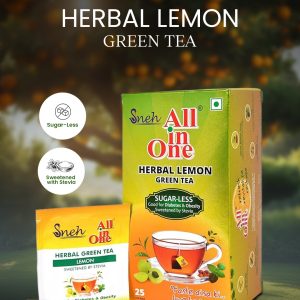
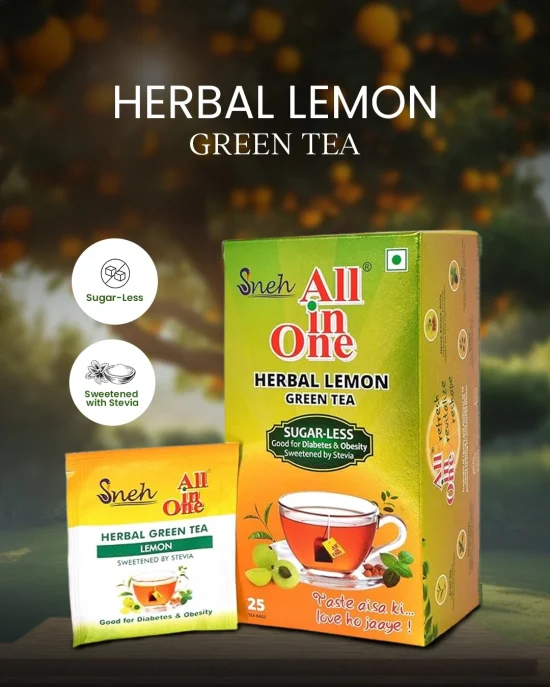
Sneh All In One Herbal Lemon Green Tea contains green tea, Lemon, Amla, Tulsi, Ginger, Ajwain, Harad, Baheda, and Black Pepper. Each ingredient contributes to the overall character of the blend rather than acting as a standalone treatment.
For preparation guidance, see our step-by-step guide to making green tea.
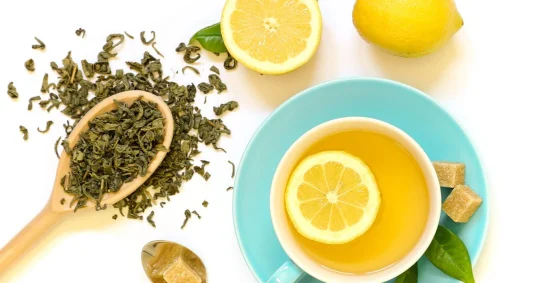
Herbal Lemon Green Tea is a wholesome and revitalizing drink that combines the antioxidant power of green tea with the natural vitamins of lemon. Drinking it regularly supports overall health, strengthens immunity, and promotes the body’s natural detoxification processes. Here is a detailed look at the benefits of Herbal Lemon Green Tea:
Herbal Lemon Green Tea can complement everyday immune-supportive habits by combining green tea with herbs such as Tulsi and Amla.
Tulsi is traditionally used in Ayurvedic wellness practices, while Amla is valued as a plant source of vitamin C and other naturally occurring compounds.
Vitamin C plays an important role in normal immune function and also acts as an antioxidant in the body.
The benefit here is best understood as nutritional and lifestyle support, rather than a claim that Herbal Lemon Green Tea can prevent or treat infections.
A balanced diet, adequate sleep, regular physical activity, and good hydration remain more important for overall immune health.
The Ginger and Ajwain in Herbal Lemon Green Tea make it a useful option for people who prefer a warming herbal beverage after meals or during their daily routine.
Ginger has been studied for its effects on gastric motility and gastric emptying. One randomized controlled study in healthy adults found that ginger accelerated gastric emptying and increased antral contractions, although the study did not find significant differences in gastrointestinal symptoms.
Ajwain is traditionally used in Indian food and herbal practices for digestive comfort.
Together, these ingredients give Sneh’s formulation a distinctive digestive-focused character without positioning the tea as a treatment for digestive disorders.
If persistent bloating or digestive discomfort is a concern, a dedicated guide such as our best herbal tea for bloating after meals provides more specific information.
Herbal Lemon Green Tea can fit into a balanced weight-management routine when used instead of high-sugar beverages and combined with healthy eating and regular activity.
Green tea naturally contains catechins and caffeine, which have been studied in relation to energy metabolism and other metabolic processes.
However, drinking Herbal Lemon Green Tea alone should not be considered a weight-loss solution.
The blend’s Ginger, Black Pepper, and Lemon contribute flavor and botanical variety, making it an easy alternative to heavily sweetened beverages.
For more focused information about this topic, see our guide to Herbal Lemon Green Tea for Weight Loss.
The practical advantage is often simple: choosing an unsweetened or lower-sugar tea can help reduce unnecessary calories from beverages.
Green tea catechins and herbs such as Amla, Tulsi, Ginger, and Black Pepper give Herbal Lemon Green Tea its antioxidant-focused character.
Green tea contains catechins, with EGCG being one of the best-studied compounds. Research reviews describe EGCG as having antioxidant and redox-related biological activity, while also noting that laboratory findings do not always translate directly into human health outcomes.
Amla is also widely valued for its naturally occurring antioxidant compounds, while Ginger, Tulsi, and Black Pepper add further botanical diversity to the formulation.
This does not mean the tea “detoxifies” the body or removes toxins. Your liver and kidneys already perform those essential functions.
Instead, the more defensible benefit is that the beverage provides plant-derived compounds that can contribute to an antioxidant-rich diet.
Herbal Lemon Green Tea can be part of a heart-conscious lifestyle when it replaces sugary drinks and is consumed alongside an overall balanced diet.
Green tea catechins have been extensively researched for their biological effects, including areas related to cardiovascular health. However, research findings vary depending on the amount consumed, formulation, duration, and individual factors.
Sneh’s blend also contains Amla, Ginger, and Black Pepper, which contribute additional plant-based ingredients to the beverage.
The important distinction is that Herbal Lemon Green Tea is a supportive dietary beverage, not a treatment for high blood pressure, high cholesterol, heart disease, or other cardiovascular conditions.
For people already managing a cardiovascular condition or taking medication, regular tea intake should be discussed with an appropriate healthcare professional if there are concerns about caffeine or interactions.
Amla and Lemon make Herbal Lemon Green Tea a refreshing option for people interested in antioxidant and vitamin-C-related nutritional support for healthy skin.
Vitamin C has an established role in collagen biosynthesis and also functions as an important physiological antioxidant.
Amla is traditionally valued for its vitamin C and antioxidant content, while Lemon contributes its characteristic citrus profile.
The actual nutritional contribution depends on the quantity and formulation of the ingredients, so it is better not to treat one cup of tea as a substitute for a nutrient-rich diet.
For more detailed information about the skin-focused use of this beverage, see our guide to Herbal Lemon Green Tea for Skin.
Because Herbal Lemon Green Tea contains green tea, its naturally occurring caffeine can contribute to alertness, while green tea also contains L-theanine.
Research has examined the combined effects of caffeine and L-theanine on attention and task performance. Some controlled studies have reported improvements in aspects of attention or task switching, although results depend on the specific task, dose, and individual response.
This makes Herbal Lemon Green Tea a practical beverage for people who enjoy a moderate caffeine-containing drink during the morning or working hours.
However, caffeine affects people differently. Those who are sensitive to caffeine may experience restlessness, sleep disruption, or other unwanted effects.
If you usually drink tea while working, our guide to Herbal Lemon Green Tea for Office Workers provides additional practical ideas.

Both beverages can fit into a balanced diet, but their ingredient profiles and taste experience can differ.
Feature | Herbal Lemon Green Tea | Regular Green Tea |
Green tea catechins | Yes | Yes |
Lemon | Included in the blend | Usually not included |
Herbal ingredients | Depends on formulation | Usually limited or none |
Taste | Fresh, citrusy, herbal | More earthy or grassy |
Caffeine | Usually present | Usually present |
Best for | People wanting a broader herbal blend | People preferring plain green tea |
Antioxidant compounds | Green tea plus botanical ingredients | Mainly green tea compounds |
The exact nutritional profile depends on the ingredients, proportions, preparation method, and serving size.
For a more detailed comparison, read our guide on Green Tea with Lemon vs Plain Green Tea.
Herbal Lemon Green Tea is easy to include as part of a regular beverage routine.
If you are new to green tea, start with one cup and see how your body responds to the caffeine.
Morning or early afternoon can be suitable for people who want the alertness associated with caffeine.
Avoid drinking it close to bedtime if caffeine affects your sleep.
Adding large amounts of sugar can reduce the advantage of using tea as a lower-calorie beverage.
If you prefer a sweeter taste, consider your overall daily sugar intake when choosing how to prepare it.
You can also read our guide comparing Stevia vs Sugar in Tea.
Herbal Lemon Green Tea should complement nutritious meals rather than replace them.
Use it alongside vegetables, fruits, whole grains, adequate protein, healthy fats, and sufficient water.
Water that is too hot or steeping the tea for too long can produce a stronger, more bitter taste.
For a better cup, follow the preparation method recommended for your specific product.
Although tea can be part of a healthy lifestyle for many people, it is not suitable for everyone in the same way.
You may need to be more cautious if you:
The caffeine content of green tea can vary depending on the tea, serving size, preparation, and steeping time.
If you are unsure whether a particular herbal blend is appropriate for you, speak with a qualified healthcare professional.
Herbal Lemon Green Tea can fit into a daily beverage routine for many people, provided they tolerate its caffeine and herbal ingredients. Individual caffeine sensitivity and overall dietary intake should be considered.
Yes. Because the blend contains green tea, it naturally contains caffeine. The exact amount varies according to the quantity of green tea used and how the beverage is prepared.
The Ginger and Ajwain in Sneh’s blend are traditionally associated with digestive comfort. Ginger has also been studied for its effects on gastric motility and gastric emptying.
However, persistent digestive symptoms should not be self-treated with tea alone.
Herbal Lemon Green Tea can complement healthy weight-management habits, especially when it replaces sugary beverages. It should not be considered a standalone weight-loss treatment.
Yes. Green tea contains catechins such as EGCG, which have been studied extensively for their antioxidant and redox-related activity. Amla and other herbs in the blend also contribute naturally occurring plant compounds.
It depends on your sensitivity to caffeine. Since green tea naturally contains caffeine, drinking it late in the evening may interfere with sleep for some people. Morning or early afternoon may be a better option if you are caffeine-sensitive.
Herbal Lemon Green Tea is best viewed as a flavorful beverage that can complement healthy daily habits.
Sneh All In One Herbal Lemon Green Tea brings together green tea, Lemon, Amla, Tulsi, Ginger, Ajwain, Harad, Baheda, and Black Pepper in one convenient blend.
The formulation is designed for people who want the familiar freshness of lemon green tea with a broader herbal profile.
Rather than relying on a single ingredient, the blend combines multiple botanicals to create its distinctive taste and everyday wellness positioning.
You can explore the Sneh All In One Herbal Lemon Green Tea product page for the specific formulation and preparation information.
For the wider range of Sneh All In One herbal tea products, visit the Sneh All In One website.
This article is intended for general educational and informational purposes only. Herbal Lemon Green Tea is a beverage and should not be considered a medicine or a substitute for professional medical advice, diagnosis, or treatment.
Individual responses to caffeine and herbal ingredients can vary. If you are pregnant, breastfeeding, taking medication, managing a medical condition, or have concerns about a specific ingredient, consult a qualified healthcare professional before making significant dietary changes.

Yes, you can reuse tea bags, and for most everyday teas, two cups from one tea bag is a practical limit. The second cup will
Written by Anu Sharma – Herbal Tea Specialists with 21+ years of experience Neither is objectively better. Choose single-herb tea for simplicity and control, or
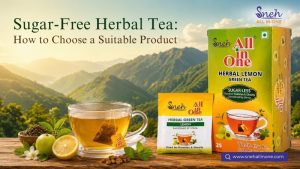
Author: Anu Sharma – Herbal Tea Specialists with 21+ Years of Experience Choosing a suitable sugar-free herbal tea starts with checking the ingredient list, sweetener,