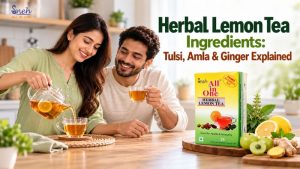
Herbal Lemon Tea Ingredients: Tulsi, Amla & Ginger Explained
Written by: Sneh All In One Editorial Team Sneh All In One Herbal Lemon Tea is an instant premix containing tulsi, amla, ginger, harad, baheda,


Written by: Sneh All In One Editorial Team
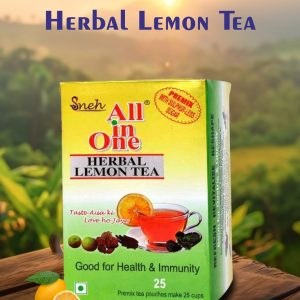
Sneh All In One Herbal Lemon Tea is an instant premix containing tulsi, amla, ginger, harad, baheda, ajwain, lemon extract, tea extract and sugar. One 10 g sachet contains 4.60 g of sugar and 29.08 kcal. The blend contains tea extract, so check its caffeine suitability if you are sensitive to caffeine.
Sneh All In One Herbal Lemon Tea combines herbs, spices, lemon extract, tea extract and sugar in an instant premix. The main ingredients contribute to its flavour and overall composition.
Ingredient | Role in the blend |
Tulsi (holy basil) | Adds an aromatic, slightly peppery herbal flavour |
Amla (Indian gooseberry) | Contributes a naturally tart taste |
Ginger | Adds warmth and a spicy note |
Harad | A traditional Ayurvedic fruit |
Baheda | A traditional Ayurvedic fruit |
Ajwain | Adds a sharp, aromatic flavour |
Lemon extract | Contributes to the citrus taste |
Tea extract | Provides the tea component |
Sulphur-less sugar | Adds sweetness |
The product’s ingredient declaration also includes black pepper, pippali, ajmoda, vayu vidang, fennel, cumin, rock salt and natural flavours. Refer to the current pack for the complete ingredient declaration.
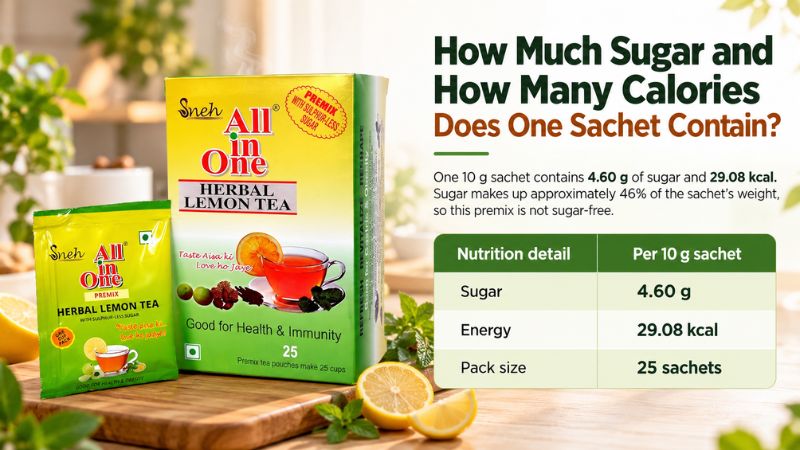
One 10 g sachet contains 4.60 g of sugar and 29.08 kcal. Sugar makes up approximately 46% of the sachet’s weight, so this premix is not sugar-free.
Nutrition detail | Per 10 g sachet |
Sugar | 4.60 g |
Energy | 29.08 kcal |
Pack size | 25 sachets |
Sulphur-less sugar refers to sugar processed without the use of sulphur dioxide. It is still sugar and contributes to the product’s total sugar content.
The 4.60 g of sugar is just over one level teaspoon. The World Health Organization recommends keeping free sugars below 10% of total daily energy intake. Reducing this to below 5% may provide additional health benefits. These recommendations apply to total daily sugar intake, not to this product alone. Read the WHO guidance on sugar intake.
Because this premix contains sugar, it is not a sugar-free or unsweetened drink. People with diabetes or those taking glucose-lowering medicines should consider its sugar content and discuss its suitability with their healthcare professional.
The premix contains tea extract, which may be a source of caffeine. The product information does not confirm whether the extract is decaffeinated, and no tested caffeine quantity per sachet is listed. Therefore, an exact caffeine amount cannot be stated.
Although the product is named Herbal Lemon Tea, its tea extract makes it different from a typical herbal infusion made only with herbs and spices. If you are sensitive to caffeine, consider this before drinking it, particularly later in the day.
Sneh All In One Herbal Lemon Tea has a tangy, sweet and spicy flavour with herbal notes. Lemon extract and amla contribute to its sourness, while ginger, ajwain and other spices add warmth and aroma.
When served hot, the spicy and herbal notes are more noticeable. For a cold drink, prepare the premix with hot water first and add ice after it dissolves. The citrus and sweet notes remain part of the flavour.
Tulsi adds an aromatic, slightly peppery flavour to the blend. Also known as holy basil, it has a long history of use in traditional Indian wellness practices.
Tulsi contains plant compounds, including eugenol, that have been studied for their biological activity. A systematic review by Jamshidi and Cohen examined 24 human studies of tulsi and reported potential areas of interest, while noting limitations in the available evidence and the need for further research. Read the systematic review on PubMed.
Some research has examined tulsi in relation to blood glucose. People taking glucose-lowering medicines should discuss regular use of tulsi-containing products with their healthcare professional. Findings from studies of tulsi preparations cannot establish the effects of this particular tea blend.
Amla contributes a naturally sour and tangy flavour. Also called Indian gooseberry, it is traditionally valued for its vitamin C content and other plant compounds.
Fresh amla is a source of vitamin C, but the amount in a prepared drink depends on the quantity and form of amla used, processing and preparation. Vitamin C is also sensitive to heat, so the amount retained in a hot drink can vary. The NIH Office of Dietary Supplements vitamin C fact sheet explains the role of vitamin C and its food sources.
The presence of amla in the blend does not establish the vitamin C quantity in a prepared cup.
Ginger adds a warm, slightly pungent taste that balances the tanginess of lemon and amla. It is commonly used in Indian food and drinks for its flavour and aroma.
Ginger contains natural compounds called gingerols. Researchers have studied ginger for several uses, including nausea, although much of the research has examined supplements rather than ordinary foods or drinks.
The National Center for Complementary and Integrative Health (NCCIH) notes that ginger may cause abdominal discomfort, heartburn, diarrhoea or mouth and throat irritation in some people. It also advises people taking medicines to speak with a healthcare provider before using ginger or other herbal products. Read the NCCIH guidance on ginger.
Harad and baheda are traditional Ayurvedic fruits. They are two of the three fruits used in Triphala, along with amla. Harad is Terminalia chebula, baheda is Terminalia bellirica, and amla is Phyllanthus emblica.
Triphala is a traditional Ayurvedic formulation made from these three fruits. It has traditionally been used for digestive concerns, including constipation. However, research on the combined formulation cannot automatically be applied to a tea containing some of the same ingredients. Read about Triphala’s composition and research.
Harad may have a laxative effect in some people. If you are prone to loose stools or digestive discomfort, start with a small amount and watch your response. The presence of harad does not establish the strength or effect of the finished drink.
Ajwain adds a strong, aromatic and slightly sharp flavour. It is commonly used as a spice in Indian cooking and traditional household preparations.
Its flavour helps balance the sour, sweet and warming notes in the blend. Ajwain is included as a flavouring ingredient; its presence does not prove that the tea treats digestive problems.
There is no clinical evidence that Sneh All In One Herbal Lemon Tea itself provides specific health benefits. Its individual ingredients have traditional uses and have been studied separately, often as extracts or supplements rather than in the quantities found in a prepared drink.
For example, tulsi has been examined in human studies, while ginger has been studied for nausea and other uses. These findings cannot be directly applied to the finished premix.
The drink can be enjoyed as a flavoured beverage, but it should not replace prescribed treatment, a balanced diet or medical advice.

Yes. This premix combines herbs, spices, lemon extract, tea extract and sugar. Green tea is made from the leaves of Camellia sinensis, while regular chai is commonly prepared with tea, milk or water and spices.
Drink | Main ingredients | Caffeine |
Sneh All In One Herbal Lemon Tea | Herbs, spices, lemon extract, tea extract and sugar | Contains tea extract; caffeine quantity is not listed |
Green tea | Green tea leaves | Usually contains caffeine |
Regular chai | Tea, milk or water, and spices | Usually contains caffeine |
The main difference is the blend of ingredients and flavour. This premix combines a tangy herbal-spice profile with a tea extract component.
Sneh All In One Herbal Lemon Tea is an instant premix supplied in individual sachets. Empty one sachet into a cup, add hot water and stir until the premix dissolves.
Preparation steps:
The published preparation method does not specify an exact water quantity or stirring time. Follow the current sachet instructions for the recommended serving rather than assuming a measurement.
Store the sachets in a cool, dry place, away from moisture and direct sunlight. Check the best-before date printed on the pack.
People who are pregnant, breastfeeding, taking regular medicines or managing a health condition should check the ingredients and seek advice from a qualified healthcare professional before using a multi-ingredient herbal product regularly.
Consider these points:
NCCIH advises consumers to consider possible medicine interactions and other safety concerns when using herbal products. Read its guidance on the safe use of complementary health products and practices.
The main ingredients include tulsi, amla, ginger, harad, baheda, ajwain, lemon extract and tea extract. The product also contains sugar, spices and natural flavours.
The premix contains tea extract, but its decaffeinated status is not confirmed and no tested caffeine quantity per sachet is listed. It should not automatically be treated as caffeine-free.
No. One 10 g sachet contains 4.60 g of sugar, which is approximately 46% of its weight. It is not a sugar-free or unsweetened drink.
One 10 g sachet contains 29.08 kcal. This figure is for the dry premix before adding water.
There is no reliable clinical evidence that this tea causes weight loss. Weight management depends on overall eating habits, physical activity, sleep and other health factors.
It may not suit everyone, especially people who are prone to acidity or digestive discomfort. If it causes heartburn or stomach discomfort, avoid having it on an empty stomach.
Yes. Dissolve the premix in hot water first and add ice afterwards to make a cold drink.
There is no clinical evidence that this finished tea treats or cures a cold or cough. Tulsi and ginger are traditionally used in warm drinks, but the tea should not replace medical advice or treatment.
Possible effects depend on individual sensitivity and the amount consumed. Ginger may cause heartburn, abdominal discomfort or diarrhoea in some people. Harad may have a laxative effect in some people. If you are prone to loose stools or digestive discomfort, start with a small amount and watch your response. The product also contains sugar and tea extract.
Ask a paediatrician before giving this premix to a child. It contains tea extract, herbs and spices.
The blend contains tea extract, but its caffeine quantity is not listed. If caffeine affects your sleep, avoid drinking it close to bedtime.
Yes. Lemon extract is included in the product’s ingredient declaration.
Yes. The product pack carries the green vegetarian symbol, indicating that it is labelled as vegetarian.
Check the best-before date printed on the product pack. The shelf life can vary by batch, so use the date on your own pack rather than relying on a general estimate.
It is a herbal-spice premix, but it also contains tea extract. Therefore, it is not the same as a caffeine-free herbal infusion made only from herbs and spices.
The product information does not specify a daily limit. Follow the serving instructions on the pack, and consider the sugar and possible caffeine content. If you have a health condition, take regular medicines, or plan to drink it frequently, ask a healthcare professional for advice.
Sneh All In One Herbal Lemon Tea is a sweetened instant premix containing herbs, spices, lemon extract and tea extract. Each 10 g sachet contains 4.60 g of sugar and 29.08 kcal. It may not be suitable for everyone, particularly people monitoring sugar or caffeine intake or those with digestive sensitivities.

Written by: Sneh All In One Editorial Team Sneh All In One Herbal Lemon Tea is an instant premix containing tulsi, amla, ginger, harad, baheda,

Weather changes do not automatically weaken your immune system. However, seasonal conditions can affect exposure to respiratory viruses, allergens and air pollution, as well as

No herbal tea is proven to treat period bloating, but a warm drink may offer comfort and help you stay hydrated. Ginger and fennel have