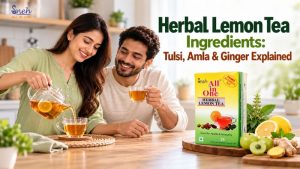
Herbal Lemon Tea Ingredients: Tulsi, Amla & Ginger Explained
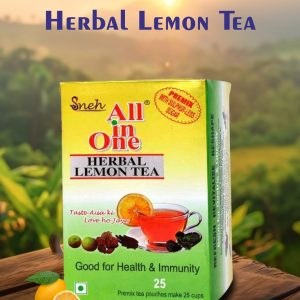
Written by: Sneh All In One Editorial Team Sneh All In One Herbal Lemon Tea is an instant premix containing tulsi, amla, ginger, harad, baheda,


Weather changes do not automatically weaken your immune system. However, seasonal conditions can affect exposure to respiratory viruses, allergens and air pollution, as well as your sleep and daily routine. Herbal lemon tea can help with hydration and may temporarily soothe a scratchy throat, but there is no good evidence that it boosts immunity or prevents infections.
In India, the shift from the monsoon to cooler winter weather can bring changes in humidity, air quality, outdoor activity and time spent indoors. Healthy daily habits remain more reliable for supporting overall health than depending on a single drink.
What is herbal lemon tea? In this article, herbal lemon tea means a caffeine-free infusion made with lemon, with or without ginger. Black tea with lemon is different because it contains tea leaves and naturally occurring caffeine. Packaged blends may contain additional herbs, sweeteners or tea extracts, so check the label.
Weather changes do not automatically lower immunity. Instead, seasonal conditions can influence respiratory virus exposure, allergy symptoms, air quality and daily habits.
Colds and flu are caused by viruses, not by cold weather itself. Some respiratory viruses circulate more during particular seasons, while others can spread throughout the year. Indoor crowding and close contact can also create more opportunities for transmission.
During the monsoon-to-winter transition in India, changes in daily routines and the amount of time spent indoors may affect exposure to respiratory illnesses. Good ventilation, hand hygiene and recommended vaccinations can help reduce infection risk.
The CDC’s common cold guidance explains how respiratory viruses spread and why colds can occur at different times of the year.
Dry indoor air can irritate the nose and throat. This dryness may cause discomfort that can feel similar to the early symptoms of a respiratory illness.
Drink enough fluids and avoid unnecessary exposure to smoke. A warm drink, including herbal lemon tea, may temporarily soothe an irritated throat, but it does not treat the underlying cause of an infection.
Changes in temperature, humidity and rainfall can affect some environmental allergens. Pollen, mould and dust may trigger symptoms in susceptible people.
Common allergy symptoms include sneezing, a runny or blocked nose, itchy eyes and throat irritation. These symptoms can overlap with those of a respiratory infection, but allergies are not the same as a viral illness.
If symptoms persist, become severe or are difficult to distinguish from an infection, seek advice from a healthcare professional.
Air pollution can irritate the respiratory tract and worsen some existing respiratory conditions. Exposure can vary with weather, traffic and local emissions.
Check local air-quality alerts when pollution levels are high. Reduce strenuous outdoor activity when advised, and follow appropriate precautions if you have asthma or another respiratory condition.
The World Health Organization’s air pollution information explains the health effects of polluted air.
Changes in daylight, temperature and daily schedules can affect sleep, physical activity and food choices. These habits matter for general health and normal immune function.
Try to maintain a regular sleep schedule, eat a varied diet, remain physically active as your health allows and drink enough fluids throughout the day.
Herbal lemon tea can contribute to your daily fluid intake and may temporarily soothe a scratchy throat when served warm. If it contains lemon juice, it also provides a small amount of vitamin C. These benefits are modest, and the drink should not be treated as an immunity booster or infection-prevention remedy.
The exact benefits depend on the ingredients and how you prepare the tea.
Herbal lemon tea contributes to your daily fluid intake. Staying hydrated supports normal bodily functions, particularly when you have a fever or are losing fluids.
However, herbal lemon tea is not essential for hydration. Water and other suitable drinks can serve the same basic purpose.
A warm drink may provide temporary relief from throat discomfort. Some people also find warm fluids soothing when they have a cough or nasal congestion.
A Cochrane review of honey for acute cough in children found that honey probably reduces cough symptoms more than a placebo in children aged one year and older when used for up to about three days. It may also provide better cough relief than no treatment, although most children in the studies received honey for just one night, which limits the evidence. The CDC also recommends honey to relieve cough in adults and children at least one year old.
Never give honey to a child younger than 12 months because of the risk of infant botulism. Herbal lemon tea may ease symptoms temporarily, but it will not cure a cold.
Lemon juice contains vitamin C, which supports normal immune function. The amount in a cup of tea depends on how much juice you add.
USDA food-composition data list approximately 38.7 mg of vitamin C per 100 g of raw lemon juice. A teaspoon weighing about 5 g therefore provides roughly 2 mg of vitamin C. This is an estimate, and the amount can vary. You can look up the entry for raw lemon juice in USDA FoodData Central.
For context, the ICMR-NIN recommended dietary allowances list vitamin C reference values of 80 mg per day for adult men and 65 mg per day for adult women. These are reference values, not a measure of how much vitamin C a single cup of tea must provide. See the ICMR-NIN recommended dietary allowances document.
The recipe in this article uses 1–2 teaspoons of lemon juice, providing approximately 2–4 mg of vitamin C, or roughly 3–6% of those reference values. This is a small contribution, so include other vitamin C-rich foods, such as amla, guava and capsicum, in your diet.
Vitamin C is essential, but adding lemon to tea does not guarantee that you will avoid seasonal infections. Research suggests that regular vitamin C supplementation may modestly shorten the duration of colds for some people, but it does not prevent colds in most people. The trials reviewed used at least 200 mg of vitamin C a day, far more than a cup of lemon tea provides. These findings about supplements should not be interpreted as proof that lemon tea has the same effect. Read the Cochrane review of vitamin C for preventing and treating the common cold.
A warm cup of herbal lemon tea can be a pleasant addition to your morning or evening routine. If you enjoy its taste, it can be one of the drinks you choose throughout the day.
Keep added sugar modest, especially if you are monitoring your sugar intake. A comforting drink is one small part of a healthy routine, not a substitute for nutritious meals, rest or medical care.

No drink can guarantee stronger immunity or prevent respiratory infections. Water, herbal teas, turmeric milk and soups can contribute to hydration, while drinks made with fruits or other ingredients may provide nutrients depending on their composition.
Drink | Best for | Caffeine | Added sugar |
Water | Everyday hydration | No | No |
Herbal lemon tea | Hydration and possible throat comfort | Usually none if made without tea leaves or caffeinated ingredients | Depends on preparation |
Lemon water | Hydration and a small amount of vitamin C | No | Depends on preparation |
Ginger tea | A warm drink with a distinctive flavour | Usually none if made without tea leaves | Depends on preparation |
Tulsi tea | A warm herbal alternative to tea | Usually none if made without tea leaves or added caffeinated ingredients | Depends on preparation |
Turmeric milk | Fluids, protein and other nutrients from milk | No, unless combined with a caffeinated ingredient | Depends on preparation |
Soup or broth | Fluids and, depending on ingredients, energy and nutrients | Usually none | Depends on preparation |
Packaged drink tip: Check the ingredient list for caffeine-containing tea extracts, added sugar and additional herbs. The caffeine and sugar content can vary between products. If you have a medical condition that affects fluid intake, follow your healthcare professional’s advice.
few minutes and can be enjoyed warm.
Preparation time: 2 minutes
Cooking time: 5 minutes
Servings: 1 cup
Enjoy the tea warm rather than very hot. Do not give honey to a child under 12 months.

A balanced diet, sufficient sleep, regular physical activity, good hygiene and recommended vaccinations are more reliable ways to support overall health than depending on one drink.
Eat a variety of foods to obtain the nutrients your body needs. The ICMR-NIN Dietary Guidelines for Indians provide guidance on balanced eating and healthy food choices.
Include:
You do not need a single “superfood” to support your health. A varied diet is more useful than relying on one ingredient.
Adults aged 18–60 generally need at least seven hours of sleep each night. Sufficient sleep supports overall health, and individual sleep needs can vary.
Maintain a consistent bedtime and wake-up time. A comfortable sleeping environment and fewer late-night distractions may also help.
The CDC’s sleep guidance provides recommended sleep durations for different age groups.
Regular physical activity benefits overall health. The World Health Organization recommends that most adults aim for 150–300 minutes of moderate-intensity physical activity per week. Staying active can also support better sleep and overall well-being.
Choose activities that suit your health and fitness level. Rest when you are unwell, and seek medical advice if symptoms make exercise unsafe.
The WHO guidelines on physical activity explain the recommended activity levels and their health benefits.
Yes. Vitamin D supports normal immune function and bone health. It comes from certain foods, fortified products, supplements when appropriate and production in the skin following exposure to ultraviolet B (UVB) radiation.
Sunlight through ordinary window glass does not provide the UVB exposure needed for your skin to produce vitamin D. Vitamin D production also varies with factors such as season, location and skin pigmentation.
Do not assume that more sunlight or high-dose supplements are always better. The NIH Office of Dietary Supplements explains vitamin D sources and requirements. Ask a healthcare professional whether supplementation or testing is appropriate for you.
Not proven. Curd and other fermented foods can be part of a balanced diet and may provide beneficial microorganisms, depending on the food and how it is prepared.
However, not all fermented foods contain live microorganisms, and their effects vary. There is not enough evidence to say that eating fermented foods prevents respiratory infections.
Simple habits can help reduce the spread of respiratory infections:
These habits are more reliable for reducing infection risk than depending on herbal drinks alone.
Herbal lemon tea is suitable for many people, but its ingredients may not suit everyone. Consider the following precautions:
Contact a healthcare professional if a fever lasts longer than four days, cold symptoms last more than ten days without improvement, or symptoms improve and then return or worsen. Follow the CDC’s guidance on common cold treatment.
For children, seek medical advice if a fever lasts five days or more. A baby younger than three months with a temperature of 38°C or higher needs urgent medical assessment. The NHS guidance on fever in children explains these thresholds and other warning signs.
Signs of dehydration in a child can include:
See the NHS dehydration guidance for additional symptoms and advice.
Seek urgent care for difficulty breathing, chest pain, confusion, severe dehydration or other serious symptoms. Do not delay medical care while trying home remedies.
No. There’s no good evidence that herbal lemon tea boosts immunity or prevents infections. It can help with hydration and may temporarily soothe a scratchy throat. If it contains lemon juice, it also provides a small amount of vitamin C.
It can be a suitable warm drink during seasonal changes. It may soothe a scratchy throat, but it does not protect you from viruses or guarantee that you will avoid a cold.
No. It can ease symptoms temporarily but won’t cure a cold. Rest, suitable fluid intake and symptom management may help you feel more comfortable while your body recovers. Seek medical advice if symptoms are severe, persistent or worsening.
No. Lemon water adds fluid and a small amount of vitamin C, but it doesn’t prevent colds or guarantee stronger immunity. It is best treated as one option for hydration rather than an infection-prevention remedy.
There’s no good evidence that either is better for preventing seasonal infections. Both can be enjoyable warm drinks and contribute to fluid intake. Choose based on taste, tolerance and your health needs.
There’s no good evidence that either prevents infections. Tulsi tea and turmeric milk can be part of a regular diet if their ingredients suit you, but neither should be treated as an immunity treatment. Check packaged products for added sugar and additional ingredients.
Many people can enjoy it regularly if its ingredients suit them. There is no specific daily amount required for immunity. If it causes reflux or discomfort, reduce the lemon or stop drinking it. Check the label if the blend contains additional herbs.
There is no single best drink for immunity. Water, soups and unsweetened herbal teas can contribute to hydration, while a varied diet supplies essential nutrients. Good hygiene, ventilation, sufficient sleep and recommended vaccinations remain important during seasonal changes.
Weather changes can affect respiratory virus exposure, allergies, air quality and daily routines, but they do not automatically weaken your immune system. Herbal lemon tea can be a comforting way to stay hydrated and may soothe a scratchy throat, yet it cannot prevent infections or replace evidence-based health practices.
For long-term health, focus on balanced meals, enough sleep, regular physical activity, good hygiene and recommended vaccinations. Enjoy the tea if you like it, but treat it as a supportive drink—not an immunity cure.
This article is for general educational purposes and is not a substitute for personalised medical advice, diagnosis or treatment. Consult a qualified healthcare professional about symptoms, supplements or concerns related to your health.

Written by: Sneh All In One Editorial Team Sneh All In One Herbal Lemon Tea is an instant premix containing tulsi, amla, ginger, harad, baheda,

Weather changes do not automatically weaken your immune system. However, seasonal conditions can affect exposure to respiratory viruses, allergens and air pollution, as well as

No herbal tea is proven to treat period bloating, but a warm drink may offer comfort and help you stay hydrated. Ginger and fennel have