How to Choose the Right Herbal Kadha Tea
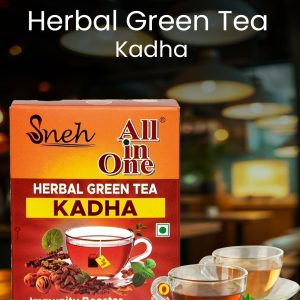
Author: SNEH All In One Team A good herbal kadha tea has clearly listed ingredients, suitable caffeine levels, simple brewing instructions and reliable packaging and


Green tea with lemon is not universally better than plain green tea; it depends on your digestion, acidity sensitivity, and health goals. Plain green tea is generally the gentler choice for people with sensitive stomachs, while adding lemon provides vitamin C, a refreshing taste, and may help improve catechin availability. For most people, both can be part of a balanced daily routine.
Factor | Plain Green Tea | Green Tea with Lemon |
Antioxidants | Naturally rich in catechins and polyphenols | Provides tea antioxidants plus lemon |
Antioxidant absorption | Provides natural catechins | Lemon may help preserve some catechins during digestion |
Digestion | Generally gentler | Refreshing for some, but acidity may cause discomfort |
Weight management | Can support a healthy lifestyle | Similar role, with added citrus flavor |
Acidity | Better suited to people sensitive to acidic drinks | May not suit people sensitive to citrus |
Taste | Light, earthy, slightly bitter | Fresh, citrusy, and less bitter |
Best for | Everyday tea drinkers and sensitive stomachs | People who enjoy citrus and tolerate it well |
Green tea is made from the leaves of Camellia sinensis and contains naturally occurring catechins, polyphenols, L-theanine, and caffeine. These compounds contribute to its antioxidant properties and make it a popular beverage for everyday wellness.
These compounds make green tea a useful addition to a balanced lifestyle, but they should not be viewed as a substitute for a healthy diet or medical treatment.
Adding fresh lemon changes the flavor of the brew and introduces vitamin C and other citrus compounds. Research on tea chemistry suggests that vitamin C can help protect certain tea catechins from degradation during digestion, although the effect can vary depending on the beverage and conditions.
Anu Sharma, Herbal Tea Specialist with 21+ Years of Experience, recommends viewing lemon as an enhancement to an already beneficial beverage rather than expecting dramatically stronger health effects simply from adding citrus.
The practical benefit is therefore best viewed as a combination of taste, nutrition, and personal preference rather than a major transformation in health effects.
One important difference between plain green tea and its lemon variation is how tea catechins may behave during digestion.
For this reason, green tea with lemon may have an advantage for catechin availability, although this does not mean it provides dramatically greater health benefits than plain green tea.
The better choice for digestion depends largely on individual tolerance. Plain green tea is generally the gentler option, while the citrus version may be less suitable for people who are sensitive to acidic foods or drinks.
Situation | Plain Green Tea | Green Tea with Lemon |
Normal digestion | Generally suitable | Generally suitable if citrus is tolerated |
Sensitive stomach | May be the gentler choice | May cause discomfort in some people |
Acid reflux/GERD | Caffeine may still trigger symptoms for some people | Citrus acidity may be an additional trigger |
After meals | Can be enjoyed according to preference | May be refreshing after meals |
Empty stomach | May cause discomfort in some people | More likely to bother people sensitive to acidity |
If you are prone to acidity or reflux, consider having your tea after food rather than on an empty stomach and monitor how your body responds. Citrus foods are among the foods commonly reported to worsen GERD symptoms in some people.

Both options can fit into a healthy weight-management routine. However, neither drink should be treated as a fat-burning or weight-loss solution on its own.
Factor | Plain Green Tea | Green Tea with Lemon |
Calories | Very low when unsweetened | Very low when unsweetened |
Metabolism | Contains caffeine and catechins studied for metabolic effects | Provides the same tea compounds |
Weight loss | May have modest effects, but evidence is limited | Lemon does not turn it into a weight-loss treatment |
Best approach | Pair with balanced eating and activity | Pair with balanced eating and activity |
Research suggests that catechins and caffeine may have modest effects on body weight, but the overall effect is limited. Green tea should therefore be considered part of a healthy routine rather than a weight-loss treatment.
Both options provide the natural polyphenols found in tea, while adding lemon contributes vitamin C. The difference is therefore mainly nutritional rather than a completely different set of health effects.
Wellness Area | Plain Green Tea | Green Tea with Lemon |
Antioxidant intake | Provides catechins and polyphenols | Provides the same tea compounds |
Vitamin C | Not a major source | Lemon contributes vitamin C |
Skin support | Antioxidant compounds support overall wellness | Vitamin C contributes to normal collagen formation |
Immune function | Provides tea polyphenols | Adds vitamin C to the beverage |
Daily wellness | Simple, low-calorie beverage | Refreshing citrus variation |
Rather than thinking of lemon tea as a detox drink, it is more accurate to view it as a nutrient-containing beverage that complements normal body functions.
Proper preparation helps maintain a smooth flavor and prevents the drink from becoming overly bitter or acidic.
Using excessively hot water or brewing for too long can make the beverage noticeably more bitter.
Sneh All-in-One Green Tea can be enjoyed as a simple everyday beverage or prepared with fresh lemon according to personal taste.
The choice depends on what you prefer:
Preference | Suggested Preparation |
Simple, earthy flavor | Enjoy it plain |
Fresh citrus taste | Add fresh lemon |
Sensitive to acidic drinks | Choose the plain version |
Want to reduce added sugar | Enjoy it unsweetened |
Prefer a refreshing morning drink | Either option can work based on tolerance |
The focus should be on enjoying a consistent tea routine without making exaggerated health claims.
Adding lemon does not turn green tea into a detox treatment, weight-loss medicine, or cure for digestive problems.
It cannot:
The most realistic benefit is that it can be a low-calorie, enjoyable beverage that fits into a balanced lifestyle.
A few simple mistakes can affect taste and comfort.
Most healthy adults can consume brewed green tea as part of their diet, but individual circumstances matter. Green tea contains caffeine, and citrus may worsen reflux symptoms for some people.
Situation | What to Consider |
Acid reflux or GERD | Citrus and caffeine may trigger symptoms in some people; monitor your response |
Sensitive stomach | Start with a mild brew and consider avoiding lemon if it causes discomfort |
Caffeine sensitivity | Choose smaller servings or avoid late-day consumption |
Pregnancy | Green tea contains caffeine; discuss appropriate intake with your healthcare provider |
Medication use | Green tea may interact with certain medicines; ask your healthcare provider if concerned |
Citrus sensitivity or allergy | Avoid lemon if it causes an allergic or adverse reaction |
If you have a medical condition, take regular medication, are pregnant, or experience persistent symptoms, seek advice from a qualified healthcare professional before making significant dietary changes.
It may cause stomach discomfort or acidity in some people when consumed on an empty stomach. If you are sensitive to acidic drinks or caffeine, having it after food may be more comfortable.
Neither is universally better. Plain green tea may be better for people who prefer a simple beverage or are sensitive to acidity, while the lemon version offers a refreshing citrus taste and vitamin C.
Lemon’s vitamin C may help protect some catechins during digestion, potentially improving their availability. However, this does not mean the lemon version is always significantly healthier than plain green tea.
It should not be considered a weight-loss treatment. Some evidence suggests green tea catechins and caffeine may have modest effects on body weight, but sustainable weight management depends much more on overall diet, activity, and lifestyle.
For most healthy adults, it can be part of a regular diet when consumed in moderation. People who experience acidity, stomach discomfort, or caffeine sensitivity should adjust their intake accordingly.
Plain green tea is the better choice for simplicity and greater tolerance, while green tea with lemon is a good option for people who enjoy citrus and tolerate acidic drinks well. Neither is universally superior.
If your stomach handles lemon comfortably, adding a small amount can provide a refreshing variation and may support the stability of certain tea catechins during digestion. If acidity or stomach sensitivity is a concern, keeping the beverage plain may be the better choice.
The most useful approach is to choose the version you can enjoy consistently, without excessive sugar, and include it as part of a balanced daily routine.
This article is for general educational and informational purposes only. It is not medical advice, diagnosis, or treatment. Individual responses to tea, caffeine, and acidic foods may vary. If you have a medical condition, take medication, are pregnant, or have persistent digestive symptoms, consult a qualified healthcare professional.

Author: SNEH All In One Team A good herbal kadha tea has clearly listed ingredients, suitable caffeine levels, simple brewing instructions and reliable packaging and

Author: SNEH All In One Editorial TeamReviewed by: SNEH All In One Herbal Tea Specialists Our SNEH All In One green-tea-based Herbal Masala Tea is

Written by: Anu Sharma – Herbal Tea Specialist with 21+ Years of ExperienceBrand: SNEH All In One – Naturally Crafted Teas Brand Disclosure: This guide