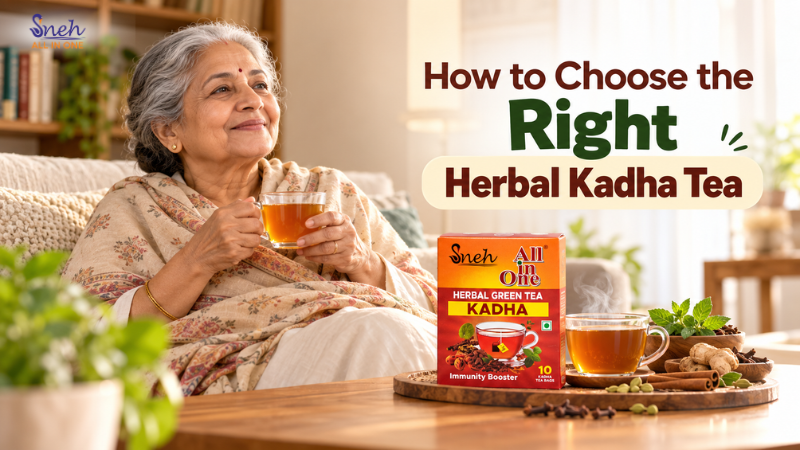
How to Choose the Right Herbal Kadha Tea
Author: SNEH All In One Team A good herbal kadha tea has clearly listed ingredients, suitable caffeine levels, simple brewing instructions and reliable packaging and

Author: SNEH All In One Team
A good herbal kadha tea has clearly listed ingredients, suitable caffeine levels, simple brewing instructions and reliable packaging and label information. Before buying, compare the tea base, ingredients, servings, price per cup, FSSAI details and storage guidance so you can choose a blend that suits your taste and routine.
Herbal kadha tea is a tea or herbal infusion inspired by the traditional Indian kadha, a preparation made by extracting herbs and spices in water. Modern packaged versions may use tea bags or loose blends for easier preparation.
The main difference is the base. Green tea comes from Camellia sinensis and naturally contains caffeine, while herbal-only infusions use plants other than Camellia sinensis. Some products combine green tea with herbs and spices, creating a green tea kadha.
If you want to understand the ingredients and potential uses of this type of blend in more detail, see our guide to herbal green tea kadha and its health benefits.
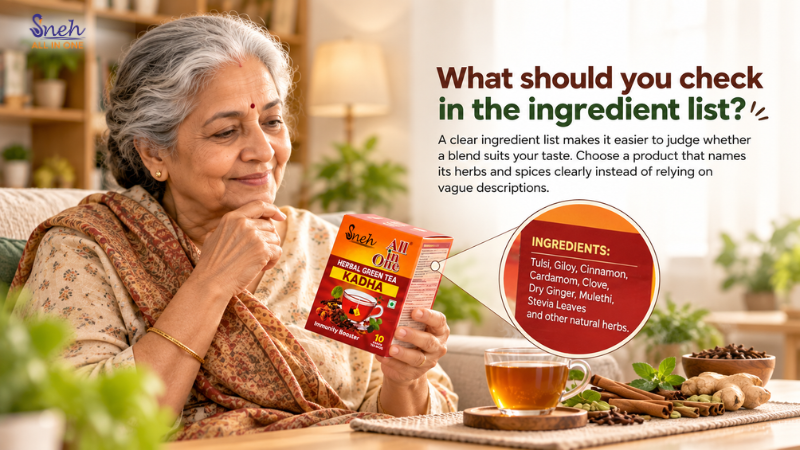
A clear ingredient list makes it easier to judge whether a blend suits your taste. Choose a product that names its herbs and spices clearly instead of relying on vague descriptions.
Ingredient | Typical flavour profile |
Tulsi | Fresh, grassy and slightly peppery |
Ginger | Warm, sharp and spicy |
Cinnamon | Sweet, woody and warming |
Black pepper | Strong, pungent and spicy |
Cardamom | Sweet, aromatic and lightly floral |
These are general flavour descriptions, not product-specific tasting results. The final flavour depends on the amount and combination of ingredients. Tulsi-heavy blends can taste more grassy, while cinnamon-forward blends usually have a sweeter, warmer character.
Also check the complete ingredient list for caffeine-containing ingredients. A product should not be assumed to be caffeine-free simply because it uses the word “herbal”.
For a broader explanation of herbal green tea ingredients, you can also read the benefits of herbal green tea.
Choose a green tea-based blend if you enjoy green tea and are comfortable with caffeine. Choose a herbal-only blend if you want to avoid caffeine, but check the complete ingredient list because some non-tea plants, such as guarana or yerba mate, can also contain caffeine.
Feature | Green tea kadha | Herbal-only kadha |
Tea base | Green tea + herbs/spices | Herbs/spices |
Caffeine | Contains caffeine | Depends on ingredients |
Flavour | Green, earthy and spiced | Mainly herbal and spiced |
Best suited to | People who enjoy green tea | People looking for a caffeine-free option, when ingredients confirm it |
If caffeine is important to you, look beyond the word “herbal” and check the actual ingredients and product information.
Follow the preparation instructions on the pack because different blends can require different brewing methods. For a tea bag, a useful starting point is one tea bag with 150–200 ml of hot water at around 80–90°C, steeped for about 3–5 minutes.
Longer steeping can produce a stronger flavour but may also increase bitterness, particularly when green tea is present. We have not tested this on every blend, so use the preparation instructions on your product pack as the final guide.
If you want more practical preparation guidance, see how to make green tea step by step.
Price alone does not show whether a herbal kadha tea offers good value. Compare the pack size, number of servings, ingredients and serving instructions to understand the actual cost of each cup.
Price per cup = Pack price ÷ Number of servings
Example: If a pack costs ₹300 and provides 30 servings, the cost is ₹10 per serving. This is only an example calculation, not a current product price.
When comparing products online, make sure the pack sizes are comparable. A lower-priced pack may contain fewer servings, while a larger pack may have a higher total price but a lower cost per cup.
A good-value product should also provide:
How we evaluated: We reviewed the key information buyers can compare on product labels and product pages, including ingredients, serving information, brewing instructions, packaging, label details and value. Prices should be checked on the date of purchase because online prices and offers can change.
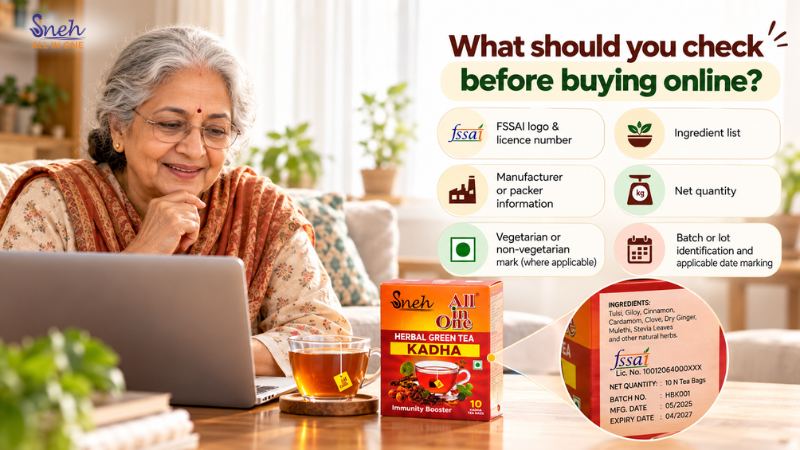
Before you buy herbal kadha tea online, review the product page and packaging information carefully. For packaged food products in India, check details such as the FSSAI logo and licence number, ingredient list, manufacturer or packer information, net quantity, vegetarian or non-vegetarian mark where applicable, batch or lot identification and applicable date marking. FSSAI source
Be cautious if:
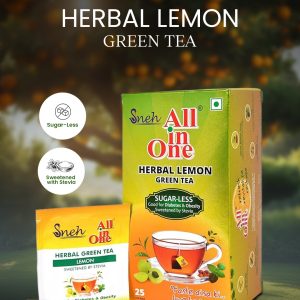
If you are considering the SNEH All In One Herbal Green Tea Kadha, check the current product page for its ingredients, pack details, preparation instructions and pricing before purchasing.
Keep the product sealed in a cool, dry place away from moisture, heat and strong odours. Tea bags and loose blends can lose aroma when exposed to air and humidity.
Follow the manufacturer’s date marking and storage instructions. Once opened, reseal the pack properly rather than leaving tea bags or loose herbs exposed.
People who are pregnant or breastfeeding, take regular medicines, or have a health condition should check the ingredients before making herbal tea a regular part of their routine.
This is particularly important when a blend contains green tea because it provides caffeine. Green tea and some herbal products may also interact with medicines, so people taking regular medication should discuss the specific product with a healthcare professional. NCCIH herb-drug interaction source
During pregnancy, do not assume that a green tea-based kadha is caffeine-free. Green tea contains caffeine, and people who are pregnant or might be pregnant should discuss caffeine intake with their healthcare provider. NCCIH green tea source
For most healthy adults, a daily cup may fit into a normal diet if the ingredients suit them and the product’s serving guidance allows it. Check the caffeine content and seek professional advice if you take medicines, are pregnant or have a health condition.
It depends on the ingredients. Green tea contains caffeine, while a blend made only from herbs that contain no caffeine generally does not. Caffeine levels vary by tea and brewing method, so check the product information if you need to limit your intake.
Traditional kadha is a herbal and spice preparation made by extracting ingredients in water, while tea traditionally refers to beverages made from Camellia sinensis. Modern products can combine the two, so a packaged green tea kadha may contain both green tea and herbs.
Not exactly. Kadha describes a preparation style traditionally associated with herbs and spices, while herbal tea is a broader term for plant-based infusions. A packaged kadha can therefore be a herbal-only blend or a combination of green tea, herbs and spices.
You can add honey or milk according to your taste and the type of blend. Milk can change the flavour and texture of a spiced or green tea blend, while honey adds sweetness. Honey should not be given to children younger than 12 months because of the risk of infant botulism.
Do not assume that every herbal kadha is suitable during pregnancy. Ingredients and caffeine levels vary between products. If the blend contains green tea or several herbs, discuss the specific ingredient list and your caffeine intake with your healthcare provider.
Follow the best-before or expiry information and storage instructions on the package. Once opened, keep the blend tightly sealed and away from moisture, heat and strong smells. Poor storage can reduce aroma and flavour before the printed date.
Tea bags offer convenience and consistent serving sizes, while loose blends allow you to adjust the quantity and strength more easily. Choose the format that suits your routine and provides clear serving instructions.
Check the complete ingredient list, serving size, brewing instructions, caffeine information where applicable, manufacturer details, FSSAI information, batch number, date marking and storage instructions. Compare price per serving instead of judging value from the total pack price alone.
Do not rely on herbal tea as a replacement for prescribed treatment. Claims that a tea can cure a disease or replace medication should be treated cautiously. Use herbal products as beverages and discuss specific health concerns or treatment decisions with a qualified healthcare professional.
Choose a herbal kadha tea with clearly listed ingredients, suitable caffeine levels, transparent preparation instructions and reliable packaging and label information.
This article is for general educational information and does not provide medical advice. Herbal products may affect people differently and may interact with medicines. Consult a qualified healthcare professional for personalised guidance.

Author: SNEH All In One Team A good herbal kadha tea has clearly listed ingredients, suitable caffeine levels, simple brewing instructions and reliable packaging and
Author: SNEH All In One Editorial TeamReviewed by: SNEH All In One Herbal Tea Specialists Our SNEH All In One green-tea-based Herbal Masala Tea is
Written by: Anu Sharma – Herbal Tea Specialist with 21+ Years of ExperienceBrand: SNEH All In One – Naturally Crafted Teas Brand Disclosure: This guide