Herbal Masala Tea Price: How to Compare Quality and Value
Author: SNEH All In One Editorial TeamReviewed by: SNEH All In One Herbal Tea Specialists Our SNEH All In One green-tea-based Herbal Masala Tea is


Ayurvedic Herbal Tea has been part of Indian homes for thousands of years. Long before tea bags and instant drinks arrived, people were brewing herbs like tulsi, ginger, and cardamom in hot water every morning. They did it because it worked — for digestion, energy, immunity, and overall balance.
Today, more people are going back to this tradition. Not because it is trending, but because the body responds well to natural, plant-based support. If you are curious about what ayurvedic herbal tea really is, what it does, and how to pick or make the right one for your needs, this guide will walk you through everything.
Ayurvedic herbal tea is an infusion made from herbs, roots, flowers, and spices that are used in Ayurveda — India’s ancient system of natural healing. Unlike regular black or green tea, it does not come from the Camellia sinensis plant. Most blends are naturally caffeine-free.
In Ayurveda, these teas are known as kashayam or kwath — warm herbal decoctions prepared to support specific health goals. Each ingredient is chosen based on its effect on the body’s three doshas: Vata, Pitta, and Kapha. The idea is not just to treat a symptom but to restore balance in the system.
This is what makes ayurvedic herbal tea different from other wellness drinks. It is not a random mix of herbs. It is a purposeful blend built on centuries of observation and practice.
The power of any ayurvedic herbal tea comes from its ingredients. Here are the most widely used ones and why they matter.
Tulsi is one of the most respected herbs in Ayurveda. It supports immunity, helps the body handle stress, and supports respiratory health. It has a light, warming taste and works well in everyday blends.
Ginger is a digestive powerhouse. It stimulates digestive fire (called agni in Ayurveda), reduces bloating, and supports circulation. It is especially useful in the morning or after meals.
Cinnamon adds warmth and supports metabolism and blood sugar balance. It is commonly found in ayurvedic herbal tea for weight loss blends because of how it supports the body’s fat-burning processes.
Cardamom is aromatic and gentle on the gut. It improves digestion, freshens breath, and lifts mood slightly. It is one of the friendliest spices in any ayurvedic herbal tea blend.
Fennel reduces bloating and gas and has a mild cooling effect. It is particularly useful for people with excess Pitta (heat-related issues like acidity or skin flare-ups).
Licorice is naturally sweet and soothing. It supports the throat, the respiratory system, and the adrenal glands. It reduces the need to add sugar to your cup.
Turmeric contains curcumin, which is one of the most well-studied anti-inflammatory compounds in natural medicine. In ayurvedic herbal tea, it supports joint health, gut health, skin clarity, and liver function. It works best paired with black pepper, which boosts curcumin absorption.
A small amount of black pepper significantly improves how the body absorbs other herbs. It is warming, digestive, and an essential part of many blends.

People drink ayurvedic herbal tea for different reasons. The benefits vary based on the blend, but here are the most well-known ones.
Ginger, fennel, and cardamom together help the gut work more efficiently. They reduce bloating, ease heaviness after meals, and keep digestion regular. This is one of the most consistent ayurvedic herbal tea benefits that people notice quickly.
Tulsi, ginger, pepper, and turmeric all have immune-supporting properties. Drinking an immunity-focused blend during seasonal changes is a simple daily habit that adds up over time.
Adaptogenic herbs like ashwagandha and licorice root help calm the nervous system. A warm cup of ayurvedic herbal tea in the evening is genuinely helpful for winding down without needing pharmaceutical support.
Ayurvedic herbal tea for skin works from the inside out. Turmeric and coriander help reduce internal inflammation, which often shows up on the skin as acne or redness. A clear gut also reflects on clearer skin.
Ayurvedic herbal tea for weight loss is not a magic fix. But cinnamon, ginger, and fennel do support metabolism, reduce water retention, and help manage food cravings. When paired with a balanced diet and movement, they make a noticeable difference.
Herbs like coriander and turmeric support liver and kidney function. Regular consumption of ayurvedic herbal tea provides mild, consistent detox support without extreme cleanses.
Note: These benefits are best experienced as part of a holistic lifestyle that includes a balanced diet, regular movement, and proper rest.
Many people specifically look for ayurvedic herbal tea for weight loss. The approach here is different from crash diets or suppressants. Ayurveda views weight gain as a sign of sluggish digestion and a buildup of ama (undigested toxins). Herbal tea helps by improving digestion, boosting metabolism, and clearing the system gently.
Cinnamon supports insulin sensitivity. Ginger raises body temperature slightly, which increases calorie burn. Fennel reduces the bloating that makes the stomach feel heavy. Tulsi manages stress-related cortisol, which is directly linked to belly fat in many people.
A simple blend for weight support would be cinnamon, ginger, tulsi, and fennel brewed together. Drinking this once in the morning and once after dinner can be a consistent, easy part of a weight management routine.
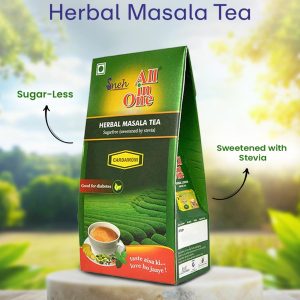
If you want a ready-made option, the Herbal Masala Tea by Sneh All In One uses traditional warming spices that naturally support digestion and metabolism.
Ayurvedic herbal tea is safe for most healthy adults when consumed in reasonable amounts. But there are a few things worth knowing.
High-ginger blends can cause heartburn in people who already have acid reflux. Licorice root in large amounts may raise blood pressure over time. Ashwagandha occasionally causes mild digestive discomfort when someone first starts using it. People on medication for diabetes, blood pressure, or blood thinning should check with a doctor before adding new herbal blends, as some herbs can interact with these medicines.
Pregnant women should avoid blends with ashwagandha, fenugreek, and licorice root unless advised otherwise by a healthcare professional.
These ayurvedic herbal tea side effects are not common, but knowing them helps you make confident choices.
Making ayurvedic herbal tea at home takes about ten minutes. Here is an easy everyday blend that supports digestion and immunity.
Bring one and a half cups of water to a boil. Add 8 to 10 tulsi leaves (fresh or dried), 4 to 5 thin slices of fresh ginger, a small pinch of black pepper, and half a cinnamon stick. Let it simmer for five minutes on low heat. Strain into a cup and add honey if you prefer a slightly sweet taste. Drink it warm.
This ayurvedic tea recipe is suitable for most people and works well in the morning. You can also add cardamom pods for a more aromatic version.
If you want more recipe ideas for different health goals, our guide on herbal tea types and how they work covers several options in detail.

The best ayurvedic herbal tea for you depends on what your body needs. If you deal with stress and poor sleep, look for ashwagandha or licorice root-based blends. If digestion is the main concern, ginger and fennel are your best friends. For skin, turmeric and coriander-based teas work from the inside.
When buying, always check the ingredient list. The best ayurvedic herbal tea uses whole, recognisable herbs and spices with no artificial flavouring, added colours, or chemical preservatives. If you need a lower-sugar option, look for blends sweetened with stevia or natural herbs.
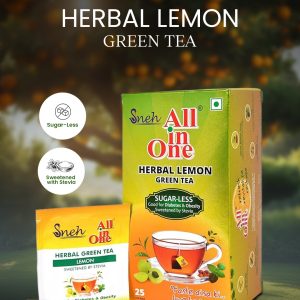
The Herbal Green Tea Kadha from Sneh All In One is a good example of a ready-to-use immunity blend that follows these principles. The Herbal Lemon Tea is another light daily option for those who want something refreshing and simple.
How many cups of ayurvedic herbal tea can I drink per day?
One to three cups per day is suitable for most adults. Avoid consuming the same potent herb in very high amounts daily.
Is ayurvedic herbal tea the same as regular herbal tea?
Not exactly. Regular herbal tea often uses a single herb for flavour. Ayurvedic herbal tea is formulated with multiple herbs based on dosha balance and specific health goals.
Can children drink ayurvedic herbal tea?
Mild blends like tulsi and ginger in small amounts are generally fine for older children. Avoid potent herbs like ashwagandha for young children without guidance.
When is the best time to drink it?
Digestive blends work best before or after meals. Stress and sleep teas are most effective in the evening. Immunity and energy blends work well in the morning.
Ayurvedic herbal tea is one of those small daily habits that quietly builds a healthier foundation over time. It does not ask for dramatic changes. Just consistent, intentional choices — one warm cup at a time.
To explore our full range of thoughtfully blended herbal teas, visit the Sneh All In One product page.
This article is for informational purposes only and is not a substitute for professional medical advice. Please consult a qualified healthcare provider before making changes to your wellness routine, especially if you are pregnant, breastfeeding, or on regular medication.

Author: SNEH All In One Editorial TeamReviewed by: SNEH All In One Herbal Tea Specialists Our SNEH All In One green-tea-based Herbal Masala Tea is

Written by: Anu Sharma – Herbal Tea Specialist with 21+ Years of ExperienceBrand: SNEH All In One – Naturally Crafted Teas Brand Disclosure: This guide

Sneh All In One offers a range of herbal products focused on convenient tea-based wellness options for everyday routines. The collection includes Herbal Masala Tea,