What Makes a Good Herbal Tea Blend? A Guide to Ingredients and Quality
A good herbal tea blend combines quality botanicals, balanced proportions, freshness, a clean aroma, suitable packaging and transparent labelling. The number of herbs in the

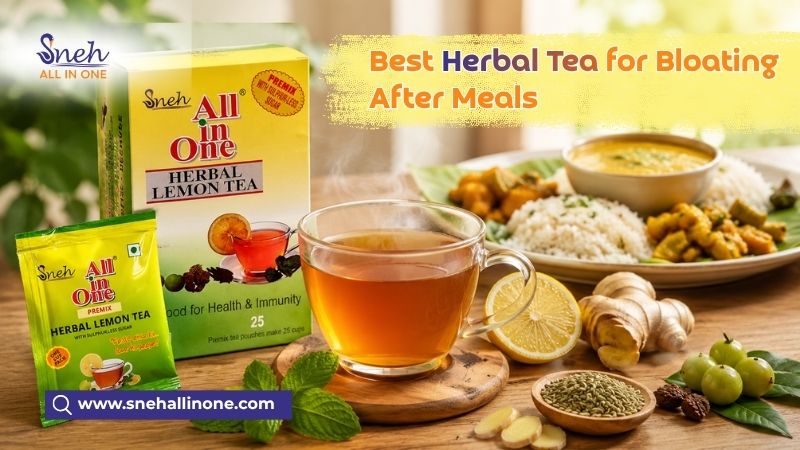
If you often feel uncomfortable after eating, herbal tea for bloating can be a soothing addition to your digestive routine. Herbal ingredients such as ginger, peppermint, fennel, chamomile, and lemon have traditionally been used to support healthy digestion, reduce occasional gas, and ease feelings of fullness after meals. While herbal tea is not a treatment for digestive disorders, research suggests certain herbs may support digestive comfort when combined with a balanced diet and healthy lifestyle.
Bloating is a common digestive complaint that can make your stomach feel tight, swollen, or unusually full after eating. It often occurs when excess gas builds up in the digestive tract or when food moves more slowly through the stomach and intestines.
Several everyday habits can contribute to occasional bloating, including:
Occasional bloating is usually harmless and improves on its own. However, if bloating is frequent, severe, or accompanied by persistent abdominal pain, vomiting, unexplained weight loss, or blood in the stool, consult a healthcare professional for proper evaluation.
A warm cup of herbal tea for bloating may support digestion by helping relax digestive muscles, promoting healthy stomach movement, supporting hydration, and encouraging the natural passage of gas. Different herbs work in different ways, which is why herbal blends are often preferred over a single ingredient.
Many digestive herbs contain naturally occurring plant compounds that have been studied for their effects on digestive health. For example, ginger contains gingerols and shogaols, peppermint contains menthol, and fennel contains anethole – compounds believed to contribute to their traditional digestive benefits.
Potential benefits of herbal tea include:
Although scientific evidence continues to grow, herbal tea should be viewed as a supportive wellness habit rather than a replacement for medical treatment.
The best herbal tea for bloating is often a blend of digestive herbs rather than a single ingredient. Herbs such as ginger, peppermint, fennel, chamomile, and lemon each support digestion differently, making a balanced herbal blend an effective choice for occasional bloating and digestive discomfort.
Ginger is one of the most extensively researched herbs for digestive health. Its active compounds, gingerols and shogaols, are known for their antioxidant and digestive-supporting properties.
Research published in the World Journal of Gastroenterology suggests that ginger may help promote gastric emptying, allowing food to move through the stomach more efficiently. This may reduce the feeling of heaviness or fullness that some people experience after meals.
Because of these properties, ginger is widely considered one of the best herbal teas for bloating and digestive discomfort.
Ginger tea may help support:
Best time to drink: Around 20–30 minutes after meals or whenever you feel unusually full.
Peppermint is a popular tea for bloating because it contains menthol, a natural compound that may help relax the smooth muscles of the digestive tract. This relaxation can support the movement of trapped gas, making peppermint a common choice for occasional bloating and abdominal tightness.
Clinical studies on peppermint oil have shown improvements in symptoms of Irritable Bowel Syndrome (IBS), including bloating and abdominal discomfort. Although peppermint tea contains lower concentrations than peppermint oil supplements, it remains one of the most widely recommended herbal beverages for digestive comfort.
Peppermint tea may help support:
Note: Peppermint may not be suitable for people with gastroesophageal reflux disease (GERD), as it can worsen acid reflux symptoms in some individuals.
Fennel seeds have been used for centuries as a traditional herbal remedy for bloating and digestive discomfort. They contain anethole, a naturally occurring compound believed to help relax digestive muscles and support the natural movement of gas through the intestines.
Research suggests fennel may help reduce digestive spasms and support comfortable digestion, making it a common ingredient in many herbal tea for gas and bloating blends.
Fennel tea may help support:
Its naturally sweet, refreshing flavor also makes fennel tea enjoyable without added sugar.
Chamomile is well known for promoting relaxation, but it has also been traditionally used to soothe the digestive system. It contains natural antioxidants, including apigenin, which may contribute to its calming effects.
Although research specifically linking chamomile to bloating relief is limited, many people find it helpful for easing mild digestive discomfort, particularly when stress contributes to digestive symptoms.
Chamomile tea may help support:
Because chamomile is naturally caffeine-free, it is an excellent choice after dinner or before bedtime.
Lemon herbal tea is a refreshing natural tea for bloating that complements digestive herbs rather than acting as a standalone remedy. Staying hydrated plays an important role in healthy digestion, and warm lemon herbal infusions can support this process.
When combined with herbs such as ginger, tulsi, or fennel, lemon herbal tea provides a balanced beverage that supports digestive wellness after meals.
Lemon herbal tea may help support:
A herbal tea for digestion that combines multiple herbs often provides broader digestive support than a single-herb tea. Each herb contributes unique properties that may help different aspects of digestion—from supporting stomach motility to easing occasional gas and promoting relaxation. Together, these herbs create a more balanced approach to digestive wellness.
Many traditional herbal systems, including Ayurveda, use carefully selected combinations of herbs instead of relying on one ingredient. This complementary approach helps address multiple digestive concerns while offering a pleasant flavor profile.
Herb | Key Natural Compounds | Traditional Digestive Benefit |
Ginger | Gingerols, Shogaols | Supports healthy stomach emptying and digestion |
Peppermint | Menthol | Helps relax digestive muscles and ease gas |
Fennel | Anethole | Traditionally used to reduce occasional bloating |
Chamomile | Apigenin | Helps calm the digestive system |
Lemon | Natural citric compounds | Supports hydration and complements digestive herbs |
Tulsi | Eugenol | Traditionally supports digestive balance |
A well-balanced herbal blend can support digestion from multiple angles, making it a practical choice for people looking to improve post-meal digestive comfort naturally.
The best time to drink herbal tea for bloating is 20–30 minutes after a meal, when your digestive system is actively processing food. A warm cup after lunch or dinner may help support comfortable digestion and reduce occasional feelings of fullness or gas.
Many people prefer drinking herbal tea:
Most digestive herbal teas, including ginger, fennel, peppermint, and chamomile, are naturally caffeine-free, making them suitable for evening consumption. However, always check the label if the blend contains green or black tea, as these ingredients naturally contain caffeine.
Although tea to reduce bloating may support digestive comfort, it works best alongside healthy lifestyle habits. Simple changes in your eating and daily routine can significantly reduce occasional bloating and improve digestive health over time.
Here are a few practical tips:
Combining these habits with a herbal drink for bloating can help support long-term digestive wellness.
Not all herbal teas offer the same quality or benefits. Choosing a herbal tea for gut health made with high-quality ingredients can help you enjoy better flavor and more consistent digestive support.
When selecting an herbal tea, look for:
✔ Real herbs instead of artificial flavorings
✔ Digestive herbs like ginger, fennel, peppermint, chamomile, or tulsi
✔ Minimal or no added sugar
✔ No unnecessary artificial colors or preservatives
✔ Clearly labeled ingredients and quality-controlled manufacturing
A well-formulated herbal infusion for digestion should contain herbs that complement one another rather than relying on artificial additives or excessive sweeteners.
While herbal tea for bloating is generally safe for most healthy adults, some herbs may not be appropriate for everyone. Certain medical conditions, medications, and allergies can affect how your body responds to herbal ingredients.
Consult your healthcare provider before regularly drinking herbal tea if you:
You should also seek medical advice if bloating:
These symptoms may indicate an underlying digestive condition that requires medical evaluation rather than self-care.
A blend containing ginger, peppermint, fennel, chamomile, and tulsi is often considered one of the best options because each herb supports digestion in a different way. Ginger may support stomach emptying, peppermint may help relax digestive muscles, and fennel has traditionally been used to ease occasional gas.
Research suggests that some herbs used in digestive teas, including ginger and peppermint, may support normal digestion and reduce occasional digestive discomfort. However, herbal tea should be viewed as part of a healthy lifestyle rather than a treatment for chronic digestive disorders.
Most caffeine-free herbal teas can be enjoyed daily by healthy adults. If you have a medical condition, are pregnant, or take prescription medications, consult your healthcare provider before making herbal tea part of your daily routine.
Fennel and peppermint are commonly used as tea for gas relief, while ginger may support healthy stomach movement and digestion. Many digestive tea blends combine these herbs for more comprehensive support.
No. Herbal tea can support digestive comfort but should not replace medications or professional medical care. If you experience persistent or severe digestive symptoms, consult a qualified healthcare professional.

A good herbal tea blend combines quality botanicals, balanced proportions, freshness, a clean aroma, suitable packaging and transparent labelling. The number of herbs in the
To understand herbal tea ingredients before buying, read the ingredient list instead of relying only on the product name or front-of-pack claims. Check the order

Yes, you can reuse tea bags, and for most everyday teas, two cups from one tea bag is a practical limit. The second cup will