What Makes a Good Herbal Tea Blend? A Guide to Ingredients and Quality
A good herbal tea blend combines quality botanicals, balanced proportions, freshness, a clean aroma, suitable packaging and transparent labelling. The number of herbs in the


Yes, Herbal Lemon Tea may help relieve occasional bloating after meals by supporting healthy digestion and helping you feel lighter after eating. A warm cup made with lemon and digestive herbs can be a soothing choice when your stomach feels heavy after a large or oily meal. However, it is important to remember that Herbal Lemon Tea is a wellness beverage, not a treatment for digestive diseases.
Many people experience bloating after weekend dinners, festive meals, or eating too quickly. In these situations, simple habits-such as eating slowly, staying hydrated, and enjoying Herbal Lemon Tea after your meal-may help improve overall digestive comfort.
In this guide, you’ll learn when Herbal Lemon Tea may help, what makes it different from other herbal teas, and how to include it in your post-meal routine.
Post-meal bloating usually happens because your digestive system needs extra time to process food, especially after a large or rich meal. It is often temporary and improves as digestion continues.
Some of the most common reasons include:
For many people, this type of bloating is different from chronic digestive problems like IBS or food intolerances. It is simply the body’s natural response to eating more than usual or consuming foods that take longer to digest.
That’s why post-meal comfort focuses on supporting normal digestion rather than trying to “cure” bloating instantly
Yes, Herbal Lemon Tea can be a refreshing drink after a heavy meal and may help you feel more comfortable as your body digests food. While it won’t make bloating disappear immediately, it can become part of a healthy routine that supports digestive wellness.
Many people choose Herbal Lemon Tea after:
Unlike sugary soft drinks or heavily caffeinated beverages, a warm cup of Herbal Lemon Tea offers a lighter way to relax after eating.
Herbal Lemon Tea is most beneficial for occasional bloating that happens after large or heavy meals. If you frequently feel bloated after eating the same foods or notice that the discomfort keeps returning, it’s worth looking at the underlying cause. Paying attention to your eating habits, hydration, and overall digestive health is often more helpful than relying on a single beverage.
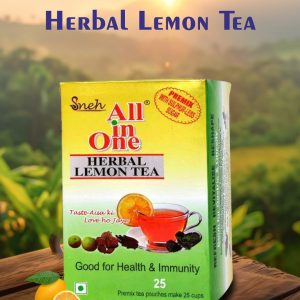
At SNEH All In One, we wanted to create more than just a lemon-flavoured tea. Our Herbal Lemon Tea combines the freshness of lemon with the richness of Triphala and a carefully selected blend of traditional Indian herbs and spices to create a light, refreshing drink that fits naturally into your daily wellness routine.
Instead of relying on a single ingredient, we selected herbs that complement one another in both flavour and traditional Ayurvedic wellness practices.
Ingredient | Why We Include It | Best Enjoyed After |
Lemon Sat | Adds a refreshing citrus flavour and naturally provides Vitamin C. | Heavy lunches or dinners |
Ginger | Traditionally enjoyed after rich or oily meals and adds a warm, comforting taste. | Rich, spicy, or oily foods |
Tulsi | A well-known Ayurvedic herb valued for everyday wellness and its refreshing herbal flavour. | Daily post-meal routine |
Triphala (Harad, Baheda & Amla) | A traditional Ayurvedic blend commonly used to support digestive balance and overall wellness. | Large or heavy meals |
Pipali | Adds a distinctive herbal spice note and complements the overall blend. | Regular herbal tea routine |
Tea Extracts | Provide a smooth tea flavour with naturally occurring antioxidants and low caffeine. | Morning or afternoon |
What makes SNEH All In One Herbal Lemon Tea different is its combination of lemon, Triphala, and traditional Ayurvedic herbs rather than relying on lemon flavour alone. This balanced blend creates a refreshing cup that’s enjoyable after meals and easy to include in your everyday wellness routine.
If you’re looking for a refreshing herbal drink after meals, explore SNEH All In One Herbal Lemon Tea to learn more about its ingredients, brewing method, and available pack sizes.
If you’re looking for tips on supporting everyday digestive wellness, you can also explore our article on How Herbal Masala Tea May Help Support Digestive Health.
Both Herbal Lemon Tea and Herbal Masala Tea can be part of a healthy lifestyle, but they are designed for different occasions. Choosing the right blend depends on what you’re looking for rather than assuming one tea is better than the other.
If You Want… | Herbal Lemon Tea | Herbal Masala Tea |
A light drink after meals | ✅ Best Choice | – |
A refreshing citrus flavour | ✅ Yes | – |
Daily digestive wellness | Good Option | ✅ Best Choice |
A warm, spice-rich herbal drink | – | ✅ Yes |
A soothing drink after a heavy lunch or dinner | ✅ Yes | Good Option |
If your main concern is feeling heavy after eating, Herbal Lemon Tea is the more refreshing choice. For broader digestive wellness and a richer herbal flavour, Herbal Masala Tea may be a better fit.
Herbal Lemon Tea works best when it’s part of a healthy post-meal routine, not a quick fix for bloating. Small daily habits often make a bigger difference than any single beverage.
For the best experience:
Think of Herbal Lemon Tea as a supportive wellness drink that complements healthy habits-not as a replacement for them.
The benefits of Herbal Lemon Tea depend on what’s causing your bloating. People who experience occasional discomfort after a heavy meal may find it a refreshing addition to their post-meal routine, while recurring bloating often requires a closer look at diet, lifestyle, or other underlying factors.
If your discomfort is linked to overeating or a heavy meal, a warm cup of Herbal Lemon Tea may become a soothing part of your post-meal routine. However, if bloating happens regularly or is triggered by specific foods, identifying the underlying cause is more important than simply changing your beverage.
Healthy eating habits, regular physical activity, staying hydrated, and seeking medical advice when symptoms persist all play a much bigger role in long-term digestive wellness.
Herbal Lemon Tea is suitable for most healthy adults, but its lemon content may not be ideal for everyone. If you have certain health conditions or sensitivities, a little extra care is recommended.
Situation | What You Should Know |
Acid reflux (GERD) | Citrus may trigger symptoms in some people. If you notice discomfort, reduce your intake or consult your healthcare provider. |
Sensitive teeth | Acidic drinks may contribute to enamel wear over time. Drinking water afterwards can help. |
Citrus allergy | Avoid products containing lemon or other citrus ingredients. |
Pregnancy or breastfeeding | If you regularly consume herbal beverages, it’s best to consult your healthcare provider first. |
If your bloating is severe, keeps returning, or is accompanied by symptoms such as persistent abdominal pain, vomiting, blood in the stool, or unexplained weight loss, seek medical advice instead of relying on home remedies.
Not usually. Some people feel more comfortable within 20–60 minutes, but results depend on the cause of the bloating. Herbal Lemon Tea supports digestion rather than providing instant relief.
Yes. Regular lemon tea is often made with black tea and lemon, while Herbal Lemon Tea is typically caffeine-free and contains herbs selected for flavour and everyday wellness support.
Most healthy adults can enjoy Herbal Lemon Tea daily as part of a balanced diet. If you have acid reflux, citrus sensitivity, or a medical condition, speak with your healthcare provider before making it a regular habit.
Yes. Many people enjoy Herbal Lemon Tea after lunch or dinner because it’s light, refreshing, and fits well into a relaxing post-meal routine.
Yes, Herbal Lemon Tea may help reduce occasional bloating after meals by supporting healthy digestion and providing a light, refreshing way to unwind after eating. While it isn’t a cure for digestive problems, it can be a valuable addition to your daily wellness routine when paired with mindful eating and healthy lifestyle habits.
At SNEH All In One, we created our Herbal Lemon Tea for people who enjoy a refreshing herbal beverage after meals-not to make unrealistic health claims, but to encourage simple, sustainable wellness habits that fit into everyday life.

A good herbal tea blend combines quality botanicals, balanced proportions, freshness, a clean aroma, suitable packaging and transparent labelling. The number of herbs in the
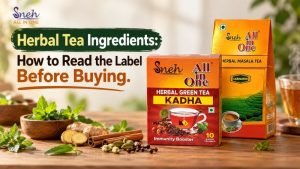
To understand herbal tea ingredients before buying, read the ingredient list instead of relying only on the product name or front-of-pack claims. Check the order

Yes, you can reuse tea bags, and for most everyday teas, two cups from one tea bag is a practical limit. The second cup will