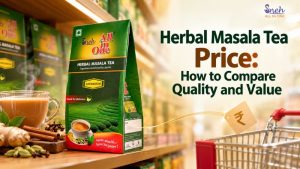
Herbal Masala Tea Price: How to Compare Quality and Value
Author: SNEH All In One Editorial TeamReviewed by: SNEH All In One Herbal Tea Specialists Our SNEH All In One green-tea-based Herbal Masala Tea is


PCOS (Polycystic Ovary Syndrome) is more than irregular periods. Many women dealing with PCOS also experience hormonal imbalance, insulin resistance, acne, bloating, fatigue, mood swings, and weight fluctuations. In my experience working with women seeking natural wellness support, one of the biggest challenges is maintaining simple daily habits consistently.
Unlike sugary beverages or heavy milk tea consumed multiple times a day, herbal tea can support hydration, digestion, and overall wellness without adding unnecessary sugar or processed ingredients. While no tea can “cure” PCOS, certain herbs may support the body’s stress response, inflammation levels, digestion, and hormonal balance when combined with a healthy lifestyle.
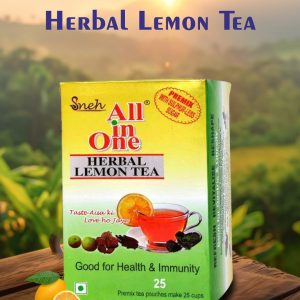
One Ayurvedic option many women enjoy is Sneh Herbal Lemon Tea, which combines traditional Indian herbs like tulsi, ajwain, ginger, jeera, and lemon extract.
PCOS is closely connected to hormones, inflammation, cortisol imbalance, and insulin resistance. This is why many women feel constantly tired, experience sugar cravings, or struggle with bloating and irregular cycles.
Herbal teas may help support:
The goal is not “detoxing overnight.” The goal is building small habits that support long-term hormonal wellness.
Many women with PCOS experience bloating, acidity, constipation, and heaviness after meals because hormonal imbalance and insulin resistance can slow digestion.
A good lemon herbal tea contains digestive herbs like ginger, ajwain, jeera, and black pepper that are traditionally used in Ayurveda to improve gut health and reduce gas formation. These warming herbs may help stimulate digestion naturally, especially after heavy meals.
The combination of lemon extract and digestive spices in Sneh Herbal Lemon Tea creates a lighter beverage option compared to sugary milk tea or cold drinks, which often worsen bloating and sluggishness.
Insulin resistance is one of the biggest causes of PCOS symptoms like weight gain, acne, irregular periods, and cravings.
One hidden reason many women struggle with cravings is excessive sugar intake through cold drinks, sweetened tea, flavored coffee, and packaged juices. These beverages can cause rapid sugar spikes followed by energy crashes.
Replacing even one sugary drink daily with Herbal Lemon Tea can support healthier beverage habits without feeling restrictive.
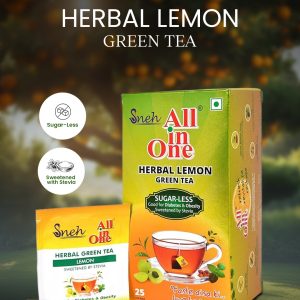
Ingredients like cinnamon, ginger, and tulsi are commonly discussed for their role in metabolic wellness and blood sugar support. Some variants of sneh all in one herbal lemon tea also use stevia instead of refined sugar, making them a better option for women trying to reduce unnecessary sugar intake.
PCOS is closely connected with cortisol imbalance, stress, and elevated androgen levels. Chronic stress may worsen symptoms such as acne, fatigue, emotional eating, and irregular cycles.
Ingredients like tulsi and amla found in all in one herbal lemon tea are traditionally used in Ayurveda to support stress management and overall wellness. Tulsi is especially valued as an adaptogenic herb that helps the body respond better to physical and mental stress.
Many women also combine spearmint tea with sneh herbal lemon tea as part of their daily routine because spearmint is one of the most researched herbs for supporting androgen balance in PCOS.
A published study found that women who consumed spearmint herbal tea twice daily showed improvements in hormone markers associated with PCOS.
Reference: Grant P. (2010). Spearmint herbal tea has significant anti-androgenic effects in polycystic ovarian syndrome. Phytotherapy Research, 24(2):186–188.
PubMed Study Reference
Low-grade inflammation is commonly linked with PCOS symptoms such as fatigue, acne, water retention, and difficulty managing weight.
Herbs like amla, ginger, tulsi, lemon extract, and black pepper naturally contain antioxidants and plant compounds that may help reduce oxidative stress in the body.
Amla is particularly valued in Ayurveda because of its vitamin C content and rejuvenating properties, while ginger is widely known for its anti-inflammatory benefits.
Unlike processed beverages filled with artificial additives, Herbal Lemon Tea offers a more natural option that supports daily wellness habits.
One of the most underrated benefits of herbal tea is routine consistency.
Women with PCOS often struggle with irregular eating patterns, poor hydration, excessive caffeine, and late-night cravings. Starting the morning with warm lemon herbal tea can help create a healthier daily rhythm.
Many women use herbal tea to:
The biggest long-term improvements usually come from small habits repeated daily — not short-term detox trends.

Herb | PCOS Benefit | Traditional Ayurvedic Use | Evidence Level |
Spearmint | May support androgen balance and reduce excess testosterone | Cooling and calming herb | Clinical studies available |
Tulsi | Helps support stress and cortisol balance | Adaptogenic herb | Traditional use + emerging studies |
Ginger | May support digestion and inflammation management | Digestive wellness | Strong research support |
Cinnamon | May support insulin sensitivity and blood sugar balance | Metabolic support | Moderate research support |
Lemon Extract | Supports hydration and antioxidant intake | Refreshing digestive aid | Nutritional evidence available |
Ajwain | Helps reduce bloating and digestive discomfort | Digestive spice | Traditional Ayurvedic use |
Jeera (Cumin) | Supports digestion and metabolism | Gut health support | Traditional + nutritional evidence |
Amla | Rich in antioxidants and vitamin C | Rejuvenating wellness herb | Strong traditional support |
Many of these herbs are included in Sneh Herbal Lemon Tea, which is why some women prefer it as an everyday Ayurvedic beverage instead of plain flavored tea.
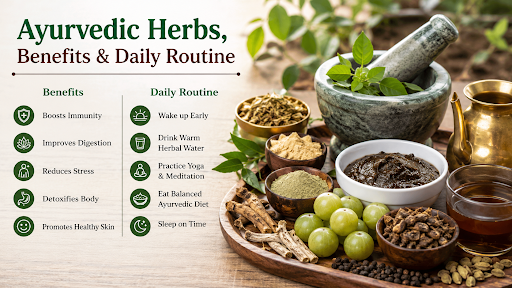
One important thing women with PCOS often ask is: Should herbal tea be taken with milk or water?
For PCOS-friendly routines, most women prefer preparing herbal lemon tea with hot water instead of milk. Water-based preparation feels lighter, especially for those managing bloating, digestion issues, or calorie intake.
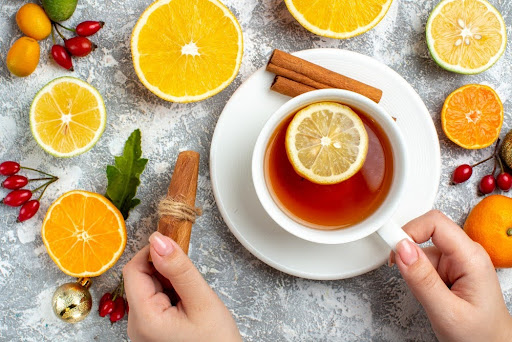
Consistency matters more than extreme diet plans.
Morning: Drink spearmint tea or warm herbal tea after waking up.
Afternoon: Replace sugary cold drinks or extra coffee with herbal tea.
Evening: A warm cup of lemon herbal tea may feel calming and easier on digestion after meals.
Herbal teas can support wellness, but they are not substitutes for medical treatment.
You should consult a healthcare professional if you:
Also remember that excessive herbal tea consumption is not recommended. Moderation is important.
Lemon tea may support hydration and digestion, especially when prepared without excess sugar. Herbal blends with ingredients like ginger, tulsi, and cinnamon may offer additional wellness support.
Spearmint tea is one of the most researched options for hormone support in PCOS. Many women also prefer Ayurvedic blends containing tulsi, ginger, cinnamon, and lemon. Sneh Herbal Lemon Tea is one Ayurvedic option that combines several of these herbs in a single blend.
No. PCOS is a hormonal and metabolic condition that usually requires long-term lifestyle management and medical guidance. Herbal teas may support healthy habits but are not a cure.
Many women with PCOS reduce sugary milk tea intake and switch to lighter herbal alternatives prepared with water.
The biggest mistake many women make with PCOS is looking for a quick fix. Real improvement usually comes from consistent habits — balanced meals, movement, stress management, sleep, and healthier beverage choices.
That is where Ayurvedic herbal teas can fit naturally into daily life.
Unlike generic detox trends, Indian herbal ingredients like tulsi, ajwain, jeera, ginger, and amla have been part of traditional wellness practices for generations. This is what makes Sneh Herbal Lemon Tea different from regular flavored tea blends.
If you are trying to build a sustainable PCOS-friendly routine, start simple. One healthier daily habit is often more powerful than an extreme routine that lasts only a week.
Related Blog
https://snehallinone.com/herbal-lemon-tea-natural-menstrual-cramp-relief-guide/
This article is for informational purposes only and should not be considered medical advice. Herbal teas and Ayurvedic wellness practices may support healthy lifestyle habits but are not a cure or replacement for professional treatment for PCOS.
Please consult a qualified healthcare professional before making dietary or lifestyle changes, especially if you are pregnant, breastfeeding, taking medication, or managing any medical condition.

Author: SNEH All In One Editorial TeamReviewed by: SNEH All In One Herbal Tea Specialists Our SNEH All In One green-tea-based Herbal Masala Tea is
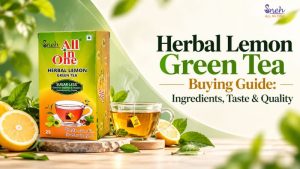
Written by: Anu Sharma – Herbal Tea Specialist with 21+ Years of ExperienceBrand: SNEH All In One – Naturally Crafted Teas Brand Disclosure: This guide
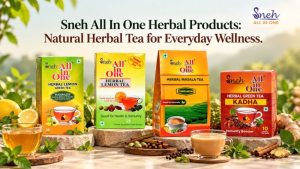
Sneh All In One offers a range of herbal products focused on convenient tea-based wellness options for everyday routines. The collection includes Herbal Masala Tea,