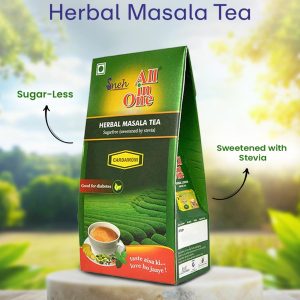
Herbal Masala Tea Price: How to Compare Quality and Value
Author: SNEH All In One Editorial TeamReviewed by: SNEH All In One Herbal Tea Specialists Our SNEH All In One green-tea-based Herbal Masala Tea is


Herbal teas are more than just soothing beverages—they are a blend of nature’s finest ingredients and traditional wellness practices. At Sneh All In One, every herbal infusion is thoughtfully crafted by combining Ayurvedic knowledge with the purity of carefully selected herbs. Prepared by differently-abled artisans in a hygienic facility in Kanpur, these teas bring together the goodness of wellness and the power of social responsibility.
Unlike regular tea, herbal tea is a caffeine-free infusion made from herbs, spices, flowers, seeds, and fruits. It is a natural choice for those looking to add a refreshing and mindful ritual to their daily routine.
Our herbal blends feature time-honored ingredients such as Tulsi, Ginger, Cinnamon, Lemongrass, Mint, Chamomile, Cardamom, and Clove, each valued for its unique qualities. From supporting digestion and relaxation to promoting everyday wellness, these natural ingredients create a flavorful experience inspired by Ayurveda.
With every cup of Sneh All In One Herbal Tea, you enjoy the harmony of nature, tradition, and meaningful craftsmanship—bringing wellness to you while supporting an inclusive community of skilled artisans.
Firstly, one of the major benefits of herbal tea is digestive support. Ingredients like ginger, peppermint, fennel, and cardamom are commonly used to help reduce bloating, gas, and stomach discomfort.
Additionally, drinking a warm herbal infusion after meals may improve digestion naturally while soothing the stomach.
Safety note:
People with acid reflux or ulcers should avoid consuming excessive ginger tea without medical advice.
Many wellness tea blends contain antioxidants and natural compounds that may support the immune system. In particular, tulsi, ginger, turmeric, and clove provide traditional immunity-supporting benefits. As a result, regular consumption may help the body respond better to seasonal changes and environmental stress.
Safety note:
People taking blood-thinning medication should consume clove or cinnamon-based drinks in moderation.
Stress and mental fatigue have become common in modern life. Certain herbal tea blends made with chamomile, lavender, or lemongrass are known for their calming effects.
Furthermore, these natural wellness drinks may help relax both the body and mind, making them ideal for evening routines or bedtime habits.
Safety note:
Chamomile may trigger allergic reactions in individuals sensitive to ragweed or daisy-family plants.
One of the biggest caffeine-free tea benefits is that these natural infusions can be enjoyed without the side effects often linked to excess caffeine intake.
Therefore, people trying to reduce coffee or sugary beverages often choose herbal tea as a healthier option for hydration and daily wellness support.
Additionally, many people consume detox blends to support the body’s natural cleansing processes. Furthermore, choosing organic herbal tea helps ensure better ingredient quality and purity. Many detox blends include ingredients like mint, lemongrass, cinnamon, and ginger in these wellness drinks.
Although herbal tea cannot replace medical treatment, it can complement a balanced lifestyle focused on hydration and wellness.
The health benefits of herbal tea also include antioxidant support. Antioxidants help protect the body from oxidative stress caused by free radicals.
In addition, ingredients such as hibiscus, tulsi, and green herbs naturally contain beneficial plant compounds that support overall health.
Many people struggle to drink enough water during the day. Fortunately, herbal tea offers a flavorful and refreshing way to stay hydrated naturally. Since most organic blends are low in calories and free from artificial ingredients, they also serve as a healthier beverage option for everyday routines.
Choosing organic herbal tea helps ensure better ingredient quality and purity. These teas are generally prepared without harmful pesticides or synthetic chemicals.
Benefits of organic herbal blends include:
Overall, quality ingredients play an important role in supporting daily wellness and long-term health benefits.
Also Read: Health Benefits of Herbal Tea
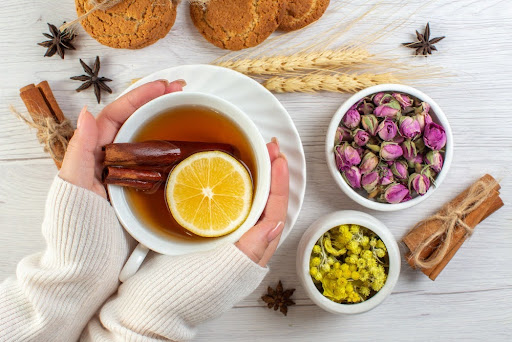
Today, stress and mental fatigue have become common in modern life. For example, herbal tea blends made with chamomile, lavender, or lemongrass may help promote calming effects. Furthermore, these natural wellness drinks may help relax both the body and mind, making them ideal for evening routines or bedtime habits. Interestingly, one major gap in global wellness content is the limited Ayurvedic perspective on herbal tea. In Ayurveda, it is viewed not just as a beverage, but as a daily ritual that may help support balance, digestion, energy, and overall well-being naturally.
For Vata balance: Ayurveda traditionally recommends warm herbs like ginger, cinnamon, and cardamom.
For Pitta balance:Many people use cooling herbs like mint, fennel, and rose for Pitta balance.
For Kapha balance: Ayurvedic practitioners often recommend tulsi, black pepper, clove, and ginger for Kapha balance.
Additionally, Ayurvedic wellness practices focus on selecting herbs according to body type, digestion, climate, and lifestyle habits.
This traditional Indian perspective gives herbal tea a deeper wellness role beyond simple hydration.
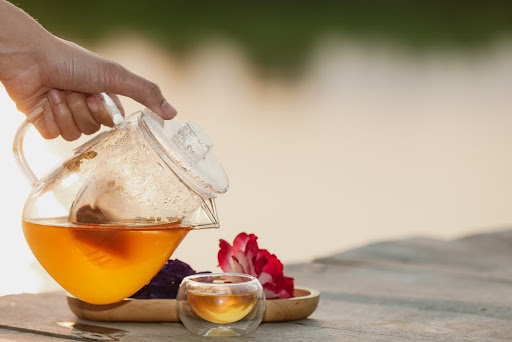
To begin with, adding natural wellness drinks to your daily lifestyle can be simple and refreshing. Here are a few easy ways to enjoy them regularly:
Most importantly, consistency, balanced nutrition, hydration, and healthy habits all contribute to long-term wellness benefits.
Although herbal tea offers many wellness benefits, it should not replace professional medical advice or treatment. Some herbs may not be suitable for everyone, especially during pregnancy or for individuals with specific health conditions.
Herbal wellness drinks should support professional medical treatment rather than replace it.
Overall, the benefits of herbal tea make it a valuable addition to a healthy lifestyle. From supporting digestion and hydration to promoting relaxation and immunity, these natural wellness drinks offer simple yet effective daily health support.
Whether you prefer detox blends, Ayurvedic infusions, or caffeine-free wellness beverages, adding herbal drinks to your routine may improve overall well-being. Furthermore, consistent use of high-quality ingredients can turn these soothing infusions into a refreshing part of a balanced lifestyle.

Author: SNEH All In One Editorial TeamReviewed by: SNEH All In One Herbal Tea Specialists Our SNEH All In One green-tea-based Herbal Masala Tea is

Written by: Anu Sharma – Herbal Tea Specialist with 21+ Years of ExperienceBrand: SNEH All In One – Naturally Crafted Teas Brand Disclosure: This guide

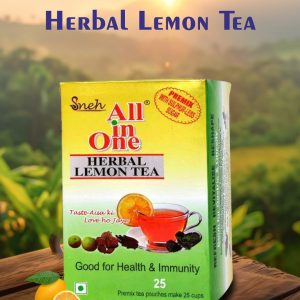
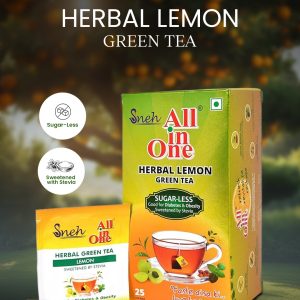
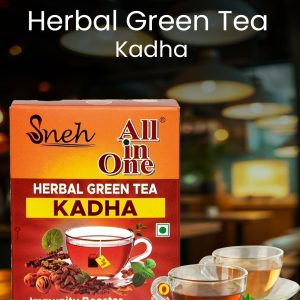
Sneh All In One offers a range of herbal products focused on convenient tea-based wellness options for everyday routines. The collection includes Herbal Masala Tea,