What Makes a Good Herbal Tea Blend? A Guide to Ingredients and Quality
A good herbal tea blend combines quality botanicals, balanced proportions, freshness, a clean aroma, suitable packaging and transparent labelling. The number of herbs in the

Author: Anu Sharma – Herbal Tea Specialist with 21+ Years of Experience
Herbal lemon tea can support healthy weight management when it replaces higher-calorie drinks and is combined with a balanced diet and regular physical activity. Some blends containing green tea provide catechins that have been studied for their potential effects on body weight and waist circumference, although the benefits are generally modest. (PubMed meta-analysis)
However, herbal lemon tea is not a fat-burning treatment or a shortcut to weight loss. Its practical value is that it can provide a refreshing, low-calorie beverage that fits into a calorie-conscious lifestyle.
Herbal lemon tea is a beverage made by combining lemon with herbs or, depending on the formulation, tea leaves such as green or black tea. Its nutritional and caffeine profile depends on the ingredients used.
A suitable blend can provide:
For weight management, the most useful benefit may be what this beverage replaces. Choosing a low-calorie drink instead of sugary soda, sweetened tea, or other calorie-containing beverages can help reduce overall calorie intake.
The potential benefits should be viewed realistically. Herbal lemon tea does not independently cause significant fat loss, but it can support several habits associated with healthy weight management.
Some tea blends contain green tea and naturally occurring catechins. Research has investigated green tea catechins with caffeine for their effects on body weight, BMI, and waist circumference.
A systematic review and meta-analysis of randomized controlled trials found that green tea catechins combined with caffeine were associated with statistically significant reductions in BMI, body weight, and waist circumference, but the researchers described the clinical significance of these reductions as modest. The analysis also found no meaningful benefit from catechins without caffeine alone.
This means a green-tea-containing blend may complement a healthy routine, but it should not be expected to dramatically increase metabolism or produce substantial weight loss by itself.
Green tea catechins have also been studied for their potential role in body-fat and weight management.
A 2024 systematic review and meta-analysis examining green tea alongside exercise training found a small additional effect on weight, BMI, and fat reduction, but concluded that the overall additive benefit of green tea over exercise-induced weight loss was minimal.
Therefore, it is more accurate to describe this beverage as a supportive choice rather than a direct fat-burning solution.
One practical advantage of a low-calorie tea is that it can replace drinks that contain added sugar and calories.
For example, choosing an unsweetened or sugar-free option instead of a regularly sweetened tea, soda, or other sugary drink can reduce beverage calories as part of an overall calorie-conscious eating pattern.
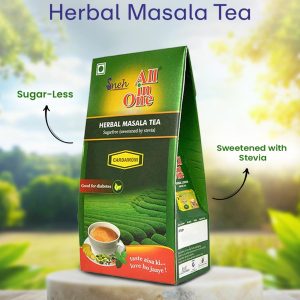
If you prefer sweetness, a stevia-based option may also help reduce added sugar compared with regularly sweetened tea. However, stevia itself does not directly cause weight loss. See our detailed guide on stevia vs sugar for a closer comparison.
Herbal ingredients such as ginger, mint, or other botanicals are commonly included in blends intended to support digestive comfort.
A warm herbal infusion may fit well into a post-meal routine, particularly for people who occasionally experience fullness or bloating. However, digestive comfort should not be confused with fat loss.
For more information, read our guide to best herbal tea for bloating after meals.
A beverage that is easy to prepare and enjoyable to drink can make healthier daily habits easier to maintain.
Choosing a low-calorie herbal infusion can add variety to your routine without relying on sugary beverages. This does not make the tea a weight-loss treatment, but it can support the dietary choices that contribute to overall weight management.
No, lemon tea cannot specifically target or remove belly fat. It may support a healthy weight-management routine when used alongside balanced nutrition, regular physical activity, and other sustainable habits.
It is also important to distinguish bloating from body fat. Temporary bloating or water retention can make the abdomen appear fuller, but reducing bloating is not the same as losing abdominal fat.
For sustainable belly-fat reduction, focus on:
No single drink can selectively burn abdominal fat.
Yes, many people can drink a mild herbal infusion on an empty stomach, but doing so does not provide a special weight-loss advantage.
Drinking it in the morning can simply be a convenient way to start the day with a hydrating beverage. However, lemon or certain herbs may cause discomfort in people with a sensitive stomach or acid reflux.
If you experience acidity, stomach irritation, or discomfort, consider having the beverage after food instead. If symptoms continue, speak with a healthcare professional.
There is also no established need to drink it on an empty stomach to “flush toxins.” Your liver and kidneys already perform the body’s normal waste-processing functions.
Preparing this beverage is simple and requires only a few steps.
Heat approximately 200 ml of fresh water until hot.
Add one tea sachet or the recommended amount of loose-leaf blend, according to the product instructions.
Allow the tea to steep for approximately 3–5 minutes, or follow the instructions provided with your particular blend.
If using loose leaves, strain the beverage before serving.
Enjoy it plain or use an appropriate low-calorie sweetener if desired. If you are comparing sweeteners.
The preparation method does not make the tea a fat-burning drink. Its role is to provide a convenient beverage that can fit into a healthy routine.
There is no scientifically established time when herbal lemon tea causes greater fat loss. The most useful time is the one that helps you consistently choose a lower-calorie beverage and maintain your routine.
A cup in the morning can provide hydration and serve as an alternative to sugary breakfast beverages.
A warm herbal blend may be a comfortable addition to your routine after lunch or dinner, especially if occasional fullness or bloating is a concern.
A low-calorie beverage can provide a simple alternative to calorie-containing drinks between meals.
You can enjoy it before or after exercise according to your preference. However, regular physical activity, not tea timing, is an important part of healthy weight management.
For better long-term results, focus on the habits that have a much greater influence on weight management.
Evidence from systematic reviews suggests that any additional weight-related benefit from green tea is generally small, so realistic expectations are important. (2024 systematic review)
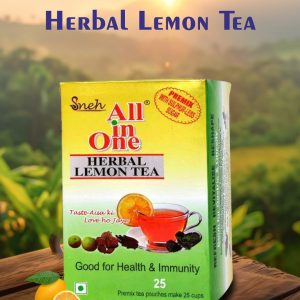
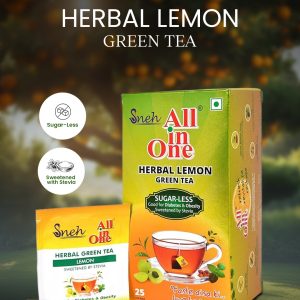
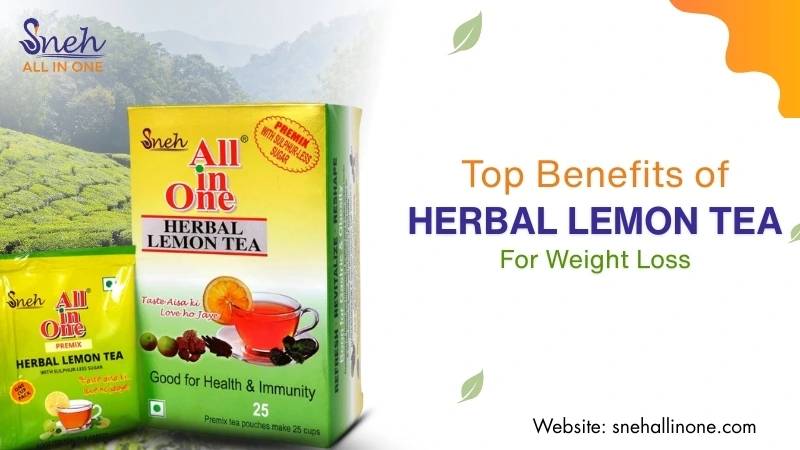
Sneh All-In-One Herbal Lemon Tea is designed as a convenient, refreshing option for people who want to include a lemon-based herbal beverage in their everyday routine.
Its stevia-sweetened, sugar-free formulation can be useful for people looking to reduce added sugar from their tea. As with any product, check the ingredient list and nutrition information to understand the specific formulation.
The weight-management benefit should not be presented as direct fat burning. Instead, the product can serve as a convenient lower-calorie alternative to regularly sweetened beverages when used as part of a balanced lifestyle.
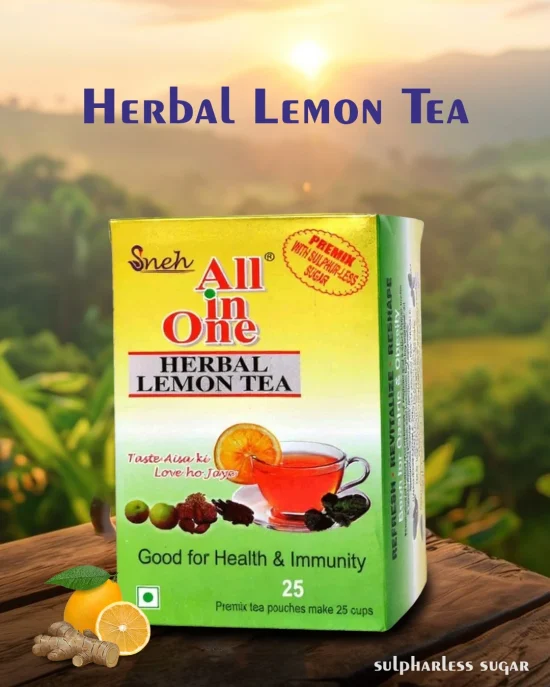
Herbal lemon tea can support a weight-management routine, particularly when it replaces higher-calorie beverages. It should not be considered a standalone weight-loss treatment.
No. Lemon tea cannot specifically target belly fat. Reducing abdominal fat requires overall weight-management habits, including balanced nutrition, regular physical activity, adequate sleep, and appropriate calorie intake.
Many healthy adults can include a suitable herbal tea in their daily beverage routine. However, the ingredients matter. People who are pregnant or breastfeeding, have a medical condition, or take medications should seek appropriate professional advice before regularly consuming herbal blends.
A low-calorie or sugar-free version can be a better choice when it replaces regularly sweetened tea because it can reduce calories and added sugar from beverages. Stevia may help reduce added sugar when used instead of sugar, but it does not directly cause weight loss.
Yes, if it feels comfortable for you. However, drinking it on an empty stomach does not provide a special weight-loss advantage. People who experience acidity or stomach irritation may prefer having it after food.
This content is for educational and general wellness purposes only and should not be considered medical advice. Herbal tea is not a treatment for obesity or a substitute for balanced nutrition, physical activity, or professional medical care.
Individual responses can vary. If you are pregnant or breastfeeding, have a medical condition, experience persistent digestive symptoms, or take medications, consult a qualified healthcare professional before regularly consuming herbal blends.
Herbal lemon tea can be a useful addition to a healthy weight-management routine, especially when it replaces sugary or high-calorie beverages. Some blends containing green tea may provide modest weight-related benefits, but current evidence does not support treating tea as a standalone fat-burning solution. (PubMed meta-analysis)
For sustainable results, focus on the bigger picture: balanced nutrition, regular physical activity, adequate hydration, quality sleep, and consistent daily habits. A refreshing, low-calorie beverage can support those habits without promising more than it can realistically deliver.

A good herbal tea blend combines quality botanicals, balanced proportions, freshness, a clean aroma, suitable packaging and transparent labelling. The number of herbs in the
To understand herbal tea ingredients before buying, read the ingredient list instead of relying only on the product name or front-of-pack claims. Check the order
Yes, you can reuse tea bags, and for most everyday teas, two cups from one tea bag is a practical limit. The second cup will