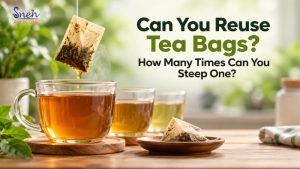
Can You Reuse Tea Bags? How Many Times Can You Steep One?
Yes, you can reuse tea bags, and for most everyday teas, two cups from one tea bag is a practical limit. The second cup will

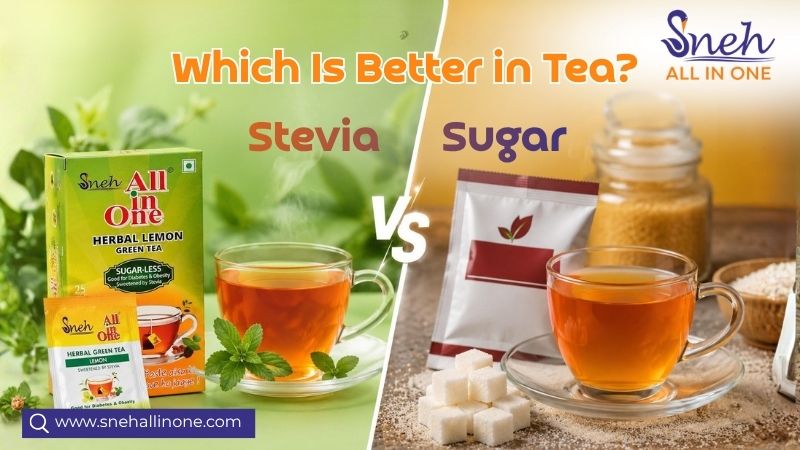
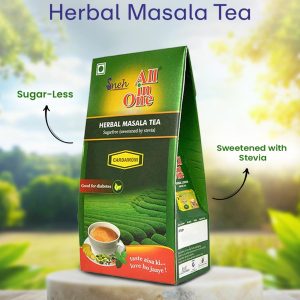
For most people who drink sweetened tea regularly, stevia is generally a better choice than sugar if the goal is to reduce added sugar and calories. High-purity steviol glycosides provide intense sweetness with little to no calories and generally have less impact on blood glucose than table sugar.
However, the answer is not simply “stevia is healthy and sugar is bad.”
The type of stevia product, the other ingredients in it, your health goals, and how much sweetened tea you drink all matter. For people with diabetes, weight-management goals, or specific medical conditions, individual advice from a qualified healthcare professional is more appropriate than relying on a general comparison.
Factor | Stevia | Sugar |
Calories | Little to none in high-purity extracts | Adds calories |
Carbohydrates | Minimal in pure steviol glycosides | Contains carbohydrates |
Blood glucose | Generally minimal impact | Raises blood glucose |
Sweetness | Roughly 200–400 times sweeter, depending on the extract | Standard sweetness |
Weight management | May reduce calories when replacing sugar | Adds calories when consumed regularly |
Taste | May have a mild bitter or herbal aftertaste | Familiar, clean sweetness |
Best use | Cutting back on added sugar in tea | Occasional use in moderation |
Bottom line: If you regularly add several teaspoons of sugar to tea, replacing it with a suitable stevia-based sweetener can be a practical way to lower your overall added sugar intake.
One of the biggest differences in stevia vs sugar sweetness is concentration.
Steviol glycosides are roughly 200 to 400 times sweeter than table sugar, depending on the specific extract and steviol glycoside used. This is why only a very small amount of a concentrated stevia sweetener may be needed in tea.
Sugar does more than provide sweetness. It also contributes to the overall mouthfeel and familiar taste of tea.
Stevia mainly provides sweetness. Some people may notice a mild herbal, bitter, or licorice-like aftertaste, especially when using certain stevia products.
Our practical advice: Start with a small amount rather than trying to match your usual spoonful of sugar. Your taste preference may gradually adapt to a less intensely sweet cup of tea.
Stevia can also work particularly well in herbal tea blends containing naturally aromatic ingredients such as ginger, tulsi, spices, or lemon.
In the stevia vs sugar for weight loss comparison, stevia may have an advantage because it can help reduce calories when it replaces added sugar.
This matters most for people who drink sweetened tea multiple times a day. A small amount of sugar in one cup may not seem significant, but repeated sweetened beverages can contribute to overall calorie intake.
Replacing sugar with a low-calorie stevia sweetener may therefore help reduce calories from tea.
But this is an important distinction:
Stevia does not directly cause weight loss.
It is a sweetener, not a weight-loss treatment.
The benefit comes from what it replaces. If stevia replaces added sugar in your regular tea, it may help reduce your calorie intake. If you continue consuming the same amount of calories from other foods and drinks, the change may have little effect on your overall weight.
A realistic approach is to:
For someone who drinks sweet tea every day, reducing added sugar can be a more realistic first step than trying to completely change their diet overnight.
In the stevia vs sugar for diabetes comparison, high-purity steviol glycosides generally have a lower blood glucose impact than table sugar because they provide little to no carbohydrate.
This makes an appropriate stevia product a potentially useful alternative for people who want to reduce sugar in tea. However, stevia is not a treatment for diabetes and should not replace medical care, prescribed medication, or dietary advice from a healthcare professional.
The product label is particularly important.
A product marketed as “stevia” may contain other ingredients, including bulking agents or additional sweeteners. Some formulations may also contain sugar alcohols such as erythritol.
Erythritol is different from sugar and generally does not cause the same blood glucose rise as table sugar. However, some observational studies have linked higher circulating erythritol levels with increased cardiovascular risk. This does not prove that erythritol causes heart attacks or strokes, and the relationship remains under scientific investigation.
Therefore, do not judge a product only by the word “stevia” on the front of the package. Read the complete ingredient list and nutrition information.
If you have diabetes, your healthcare professional can help you choose sweeteners and beverages that fit your individual blood glucose-management plan.
Also Read This Blog: https://snehallinone.com/diabetes-friendly-herbal-masala-tea-with-stevia/
“Stevia” is often used as a general term, but stevia products are not all identical.
The intense sweetness comes from steviol glycosides, including compounds such as stevioside and rebaudioside A (Reb A). These compounds are extracted and purified from the Stevia rebaudiana plant.
The FDA has recognized certain high-purity steviol glycosides as Generally Recognized As Safe (GRAS) for their intended use as sweeteners.
However, whole-leaf stevia and crude stevia extracts do not have this same GRAS status and are not approved as food additives in the same way.
This is why the ingredient list matters.
A plant-derived ingredient is not automatically the same as a purified food ingredient. The form, purity, processing, and intended use all matter when evaluating a sweetener.
For some people, yes.
If you drink one cup of tea occasionally and use a small amount of sugar, the overall difference may be less important than your total dietary pattern.
Sugar also provides a familiar taste and does not have the aftertaste some people notice with stevia.
The bigger concern is usually regular, high intake of added sugar across multiple foods and beverages.
Our strong opinion is this: the best sweetener is the one that helps you consistently reduce excessive sweetness without creating another unhealthy habit.
If you enjoy stevia and it helps you cut back on sugar in your daily tea, it can be a practical choice. If you dislike its taste and eventually return to consuming more sugar, gradually reducing the sweetness of your tea may be a better strategy.
The most important thing to check when buying stevia for tea is the ingredient list not just the word “stevia” on the front of the package. Different products can contain different steviol glycosides, fillers, sugar alcohols, or other sweeteners.
Before choosing a stevia product, check these five things.
Look for information about the specific sweetening ingredient used in the product.
Common steviol glycosides include stevioside and rebaudioside A (Reb A). These compounds provide the intense sweetness associated with stevia.
A product may simply say “stevia extract,” while another may identify the specific steviol glycoside used. Reading the ingredient list helps you understand what you are actually consuming.
Some stevia products contain ingredients added to improve texture, volume, or taste.
These may include bulking agents, sugar alcohols, or other sweeteners. Erythritol is one example found in some stevia-based sweetener products.
This does not automatically mean the product is unsuitable. However, it means the product is not made from stevia alone.
If you are comparing products, checking the complete ingredient list is more useful than relying only on front-label claims such as “natural” or “sugar-free.”
A product labelled “stevia-based” does not automatically mean it contains no sugar.
Some products may combine stevia with other sweetening ingredients. Therefore, check both:
This is particularly important if you are trying to reduce added sugar or are monitoring your carbohydrate intake.
Steviol glycosides are highly concentrated, so you generally need much less stevia than table sugar to sweeten a cup of tea.
This is why comparing one teaspoon of sugar with one teaspoon of stevia can be misleading. The serving sizes may not be equivalent.
Start with a small amount and adjust gradually according to your taste. This can also help you avoid making your tea excessively sweet.
People can respond differently to sweetener formulations.
If a particular product causes digestive discomfort or other unwanted symptoms, review its full ingredient list. The issue may relate to an additional ingredient rather than the stevia itself.
If symptoms continue or you have an underlying medical condition, speak with a qualified healthcare professional.
Choose a stevia product by reading the full ingredient list and nutrition information—not just by looking at the word “stevia” on the front label.
For everyday tea drinking, the best option is usually a product whose ingredients you understand and that helps you reduce your reliance on added sugar.
High-purity steviol glycosides are generally considered safe within established safety limits. However, research into the broader effects of non-sugar sweeteners continues.
Scientists are still studying questions related to the gut microbiome, blood pressure, and long-term metabolic effects. The evidence is not conclusive enough to claim that stevia will improve or harm these areas for everyone.
This is why a balanced approach is more useful than calling stevia a “superfood” or a “dangerous chemical.”
For most people, using a suitable stevia product in moderation as an alternative to added sugar is a reasonable choice. However, replacing sugar does not make an otherwise highly sweetened diet automatically healthy.
Stevia is generally the better choice for people who regularly sweeten their tea and want to lower their intake of added sugar, calories, or the blood glucose impact of their beverage.
Sugar can still fit into a balanced diet when consumed in moderation. But if you add sugar to several cups of tea every day, switching to a suitable stevia-based sweetener may help you cut back on your overall sugar intake.
The most important question is not:
“Is stevia healthy or is sugar unhealthy?”
A better question is:
“Which option helps me enjoy tea without relying heavily on added sugar every day?”
For many regular tea drinkers, the answer may be stevia.
Yes. Depending on the specific steviol glycoside extract, stevia sweeteners can be roughly 200 to 400 times sweeter than table sugar. This means only a small amount may be needed to sweeten tea.
Stevia may help reduce calorie intake when it replaces added sugar in tea or other beverages. However, stevia itself does not cause weight loss. Overall calorie intake, eating habits, physical activity, and other factors also matter.
High-purity steviol glycosides generally have little to no carbohydrate and usually have a lower blood glucose impact than table sugar. However, stevia products may contain additional ingredients, so checking the label is important. People with diabetes should follow their healthcare professional’s individual advice.
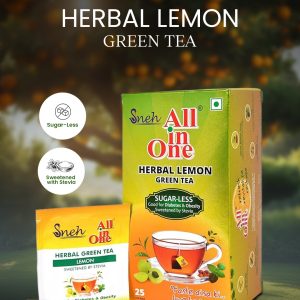
Yes. Stevia can be used to sweeten herbal tea. Its taste may pair well with naturally aromatic blends such as ginger, lemon, tulsi, and spice-based teas.
Stevia comes from the Stevia rebaudiana plant, but commercial products may contain purified steviol glycosides and other ingredients. Therefore, “plant-derived” and “unprocessed whole leaf” are not necessarily the same thing.
Neither answer should be oversimplified. High-purity steviol glycosides are generally considered safe within established use limits, while excessive added sugar intake can contribute to health risks. The specific product, amount consumed, and individual health circumstances matter.
In the stevia vs sugar debate, stevia is usually the more practical choice for regularly sweetened tea when the goal is to reduce added sugar and calories.
But choose the product carefully, read the ingredient list, and avoid treating any sweetener as a health cure.
For people with diabetes or other medical conditions, personal dietary advice should come from a qualified healthcare professional.
This article is for general educational and informational purposes only. It is not medical advice, diagnosis, or treatment. Individual responses to sweeteners may vary. If you have diabetes, are managing a medical condition, take medication, or have concerns about a specific sweetener, consult a qualified healthcare professional before making significant dietary changes.

Yes, you can reuse tea bags, and for most everyday teas, two cups from one tea bag is a practical limit. The second cup will
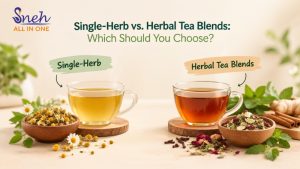
Written by Anu Sharma – Herbal Tea Specialists with 21+ years of experience Neither is objectively better. Choose single-herb tea for simplicity and control, or
Author: Anu Sharma – Herbal Tea Specialists with 21+ Years of Experience Choosing a suitable sugar-free herbal tea starts with checking the ingredient list, sweetener,