How to Choose the Right Herbal Kadha Tea
Author: SNEH All In One Team A good herbal kadha tea has clearly listed ingredients, suitable caffeine levels, simple brewing instructions and reliable packaging and

Reviewed by: Anu Sharma – Herbal Tea Specialist with 21+ Years of Experience
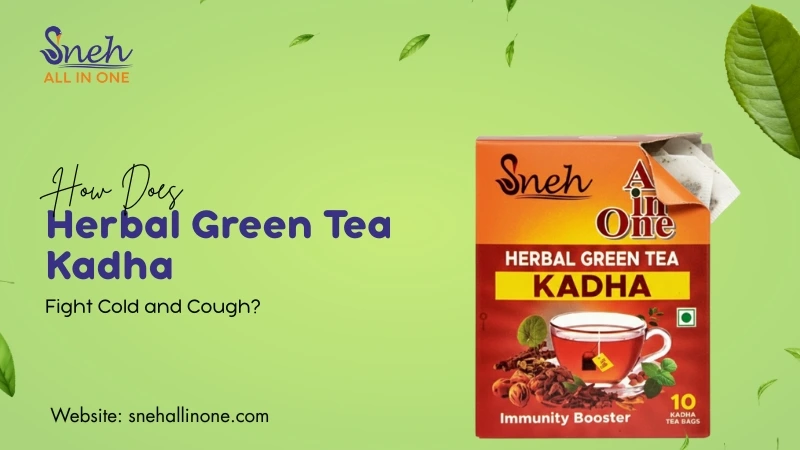
Herbal Green Tea Kadha may support comfort during a cold or cough by combining green tea with herbs and spices such as ginger, tulsi, mulethi, black pepper, cinnamon, and turmeric. A warm cup can also provide hydration and throat comfort, while the plant compounds in the ingredients contribute to a seasonal wellness routine.
The benefits depend on the ingredients, their amounts, preparation, and individual response. Herbal Green Tea Kadha can be enjoyed as a supportive beverage, but it should not replace appropriate medical care when symptoms are severe or persistent.
Herbal Green Tea Kadha may help support throat comfort, hydration, and general seasonal wellness during cold- and cough-related discomfort. Ingredients such as ginger and mulethi are commonly used in herbal preparations, while green tea provides polyphenols and naturally occurring caffeine. Evidence for individual herbs varies, so the blend is best viewed as a supportive wellness drink rather than a treatment.
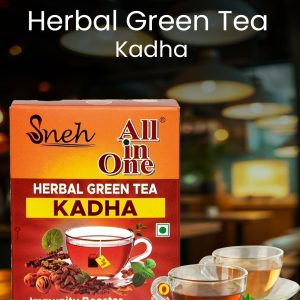
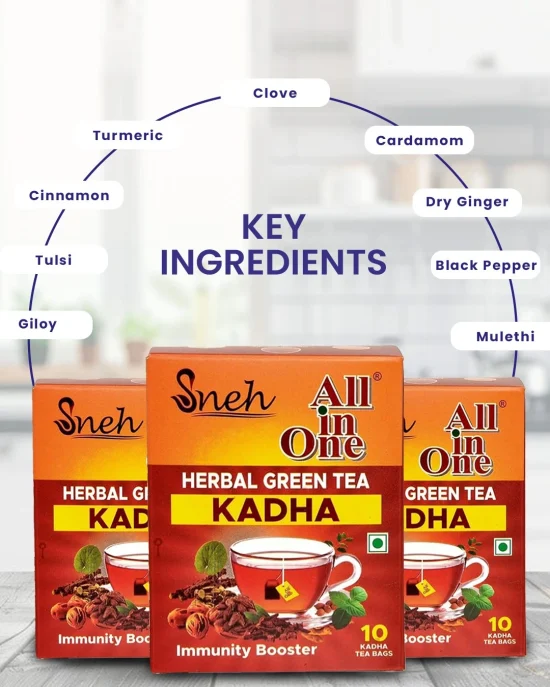
Herbal Green Tea Kadha is a warm beverage that combines green tea with herbs and spices. The SNEH All In One Herbal Green Tea Kadha formulation contains clove, cardamom, dry ginger, black pepper, mulethi, giloy, tulsi, cinnamon, and turmeric.
Kadha-style preparations have a long history in Indian traditional wellness practices. Unlike plain green tea, this type of blend contains several herbs and spices that contribute different flavors and plant compounds.
Green tea comes from the Camellia sinensis plant and naturally contains polyphenols and caffeine. Herbal ingredients are added to create a more aromatic and warming beverage.
The result is a spiced herbal drink that can be included in a daily or seasonal wellness routine, particularly when you prefer a warm beverage during colder weather.
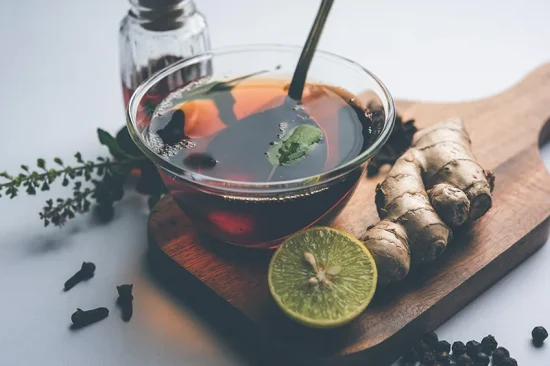
Herbal Green Tea Kadha can provide supportive comfort during a cold or cough through its warmth, hydration, and combination of herbal ingredients. Research on herbal products for common colds varies by ingredient, so evidence about one herb should not automatically be applied to the complete blend. NCCIH – The Common Cold and Complementary Health Approaches
A warm beverage can feel soothing when the throat is dry, scratchy, or irritated.
Mulethi and ginger are commonly included in herbal preparations for throat comfort. Licorice root, or mulethi, has been studied for some throat-related uses, although the available evidence does not establish licorice as a treatment for a specific respiratory condition. NCCIH – Licorice Root
The warmth and moisture of the drink can also make it easier to consume fluids when you are feeling unwell.
Drinking enough fluids is an important part of supportive care during a cold. A warm beverage can make hydration more comfortable, particularly when you have a dry or irritated throat.
Herbal Green Tea Kadha can therefore fit into a simple self-care routine alongside adequate rest and regular fluid intake.
The benefit here is practical: the drink provides fluid while offering the warming flavor of herbs and spices.
Dry ginger is one of the ingredients in the SNEH All In One blend.
Ginger has been used in traditional medicine for a range of purposes and has been studied particularly for areas such as nausea and digestive discomfort. Research does not establish that drinking ginger-containing tea cures the common cold, but ginger remains a popular ingredient in warm herbal beverages. NCCIH – Ginger: Usefulness and Safety
Its strong, spicy flavor also gives the beverage a naturally warming character.
Mulethi, or licorice root, has a naturally sweet taste and is commonly included in herbal preparations.
Some research has examined licorice preparations for throat-related discomfort, but the evidence is not strong enough to present mulethi as a proven remedy for cough or cold. NCCIH – Licorice Root
Licorice also deserves some caution. Large amounts or prolonged intake can cause serious side effects because of glycyrrhizin, particularly in people with certain health conditions. NCCIH – Licorice Root
Tulsi, also known as holy basil, is widely used in Indian traditional wellness practices and is included in the SNEH All In One formulation.
Research on tulsi includes laboratory, animal, and limited human studies, but evidence is not strong enough to establish it as a proven treatment for cold or cough. Its role in this blend is therefore best understood in the context of traditional herbal use and its contribution to the overall flavor and formulation.
Giloy, also known as Tinospora cordifolia, has a long history of use in Ayurveda and is included in several traditional herbal preparations.
Research into giloy has investigated a range of potential effects, but clinical evidence for specific health benefits remains limited. Safety also deserves attention because published medical literature has reported cases of liver injury associated with Tinospora cordifolia.
For this reason, people with existing liver conditions or those taking regular medicines should speak with a qualified healthcare professional before using products containing giloy regularly.
Green tea is made from Camellia sinensis and contains polyphenols, caffeine, and other naturally occurring compounds. NCCIH – Green Tea
Green tea is often discussed for its antioxidant properties, but this does not mean that green tea prevents or cures a cold.
The green tea component also means that the beverage may contain caffeine. People who are sensitive to caffeine should consider when they drink it, especially later in the day.
The SNEH All In One formulation combines several herbs and spices in one beverage.
Ingredient | Role in the blend |
Clove | Adds a warm, aromatic and slightly sweet-spicy flavor. |
Cardamom | Contributes a fragrant, naturally sweet and refreshing flavor. |
Dry Ginger | Adds warmth and a strong spicy note; ginger has also been studied for digestive and nausea-related uses. NCCIH – Ginger: Usefulness and Safety |
Black Pepper | Provides pungency and warmth and complements the other spices in the blend. |
Mulethi (Licorice) | Adds natural sweetness and is commonly included in herbal preparations for throat comfort. NCCIH – Licorice Root |
Giloy | Has a long history of Ayurvedic use, although evidence for specific health benefits remains limited. |
Tulsi | Adds an aromatic herbal character and is widely used in Indian traditional wellness practices. |
Cinnamon | Provides a warm, sweet-spicy flavor and complements ginger and other spices. |
Turmeric | Adds its characteristic yellow color and earthy flavor and contains naturally occurring curcuminoids. |
The ingredients work together to create the characteristic flavor and composition of the kadha-style blend. Their presence should not be interpreted as proof that the finished beverage treats a specific illness.
The best way to prepare the product is to follow the serving and preparation instructions provided on the SNEH All In One product packaging.
Because different herbal blends have different ingredient concentrations, there is no single preparation method that applies to every kadha.
For a packaged blend, the general process is:
Avoid assuming that using more of the blend will provide greater benefits. Follow the recommended serving size on the product label.
Both drinks can contain green tea, but the overall formulation is different.
Feature | Herbal Green Tea Kadha | Regular Green Tea |
Main ingredients | Green tea combined with herbs and spices | Primarily green tea leaves |
Flavor | Warm, spicy and herbal | Vegetal, fresh or mildly bitter |
Herbal ingredients | Multiple herbs and spices | Usually no additional kadha herbs |
Caffeine | Depends on the green tea content | Naturally contains caffeine |
Use | Seasonal wellness and warm beverage routine | Everyday tea beverage |
Regular green tea may be preferable if you want a simpler tea with fewer ingredients. A kadha-style blend may be more appealing if you enjoy a stronger herbal and spiced flavor.
Herbal products are not automatically suitable for everyone. Check the ingredients and consider your individual health circumstances before making a multi-herb beverage part of your regular routine.
If you are pregnant or breastfeeding, consult your healthcare professional before regularly consuming a multi-herb preparation.
Safety information can vary between individual herbs and the amounts consumed, so professional guidance is preferable.
Do not assume that an adult serving is appropriate for a child.
Children may respond differently to herbs and caffeine-containing beverages. Check the product instructions and speak with a pediatrician before giving a multi-herb green tea preparation to a child.
Some herbs can interact with medicines.
For example, licorice can interact with certain medicines, while ginger may also interact with medicines in some circumstances. NCCIH – Licorice Root
If you regularly take prescription or over-the-counter medicines, ask your healthcare professional before using a concentrated herbal product.
People with hypertension, heart or kidney conditions should be particularly careful with products containing licorice because excessive glycyrrhizin intake can cause serious effects.
People with liver conditions should also exercise caution with products containing giloy because published reports have linked Tinospora cordifolia with liver injury in some individuals.
Anyone with allergies or an existing medical condition should check the full ingredient list before consuming the product regularly.
Because this formulation contains green tea, it may provide caffeine.
If caffeine affects your sleep, causes restlessness, or makes you uncomfortable, avoid drinking the beverage close to bedtime.
No. Herbal Green Tea Kadha should not be considered a cure for cold or cough.
The common cold is usually caused by viruses, and evidence for herbal products varies considerably depending on the ingredient and preparation. The National Center for Complementary and Integrative Health notes that research on complementary approaches for the common cold is mixed.
A warm herbal drink can be part of supportive self-care, but it should not replace appropriate medical treatment when symptoms are severe, persistent, or unusual.
Many uncomplicated colds improve with time and supportive care. However, medical advice is appropriate when symptoms are severe, persistent, or getting worse.
Consider seeking medical attention if you experience:
Young children, older adults, people with weakened immunity, and people with significant chronic health conditions may need medical advice sooner.
Herbal Green Tea Kadha may provide comfort through its warm, hydrating nature and its combination of herbs and spices. Ingredients such as ginger and mulethi are commonly used in herbal preparations, while green tea contributes polyphenols and caffeine. Evidence for the complete blend as a cold or cough treatment is limited.
Prepare the product according to the serving and brewing instructions provided on the SNEH All In One packaging. The quantity, steeping time, and preparation method can vary between formulations, so it is better to follow the product label than use an assumed dosage.
The appropriate frequency depends on the formulation, serving size, caffeine content, and individual tolerance. Follow the manufacturer’s recommended serving instructions. If you take medication, are pregnant, or have a medical condition, consult a healthcare professional before regular use.
Children should not automatically receive the same serving as adults. Since this formulation contains multiple herbs as well as green tea, check the product instructions and consult a pediatrician before giving it to a child.
If you are pregnant or breastfeeding, speak with your healthcare professional before regularly consuming a multi-herb preparation. Some herbal ingredients may not be appropriate during pregnancy, and safety can depend on the amount and form consumed.
No. Regular green tea is primarily made from green tea leaves, whereas Herbal Green Tea Kadha combines green tea with additional herbs and spices. The flavor, ingredient profile, and caffeine content can therefore differ.
No. It can be included as a supportive beverage, but it should not replace prescribed treatment or professional medical advice. If symptoms are severe, persistent, or worsening, consult a healthcare professional.
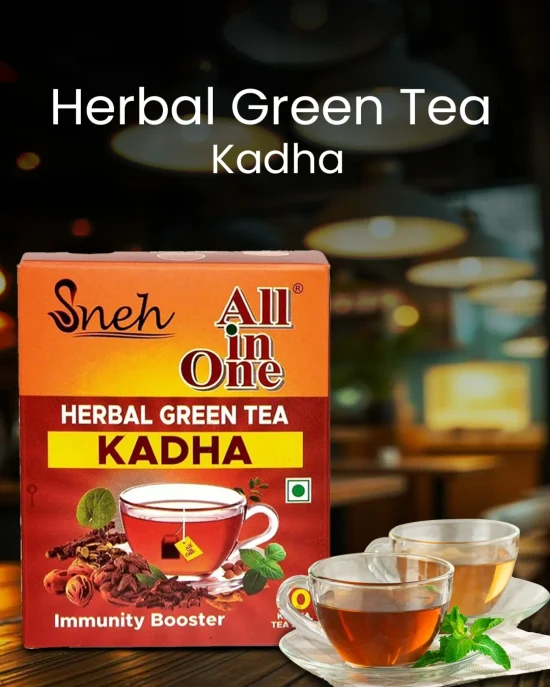
SNEH All In One Herbal Green Tea Kadha is a warm herbal beverage made with a combination of tulsi, giloy, mulethi, ginger, black pepper, clove, cardamom, cinnamon, and turmeric.
The blend is designed as a convenient way to enjoy a spiced herbal beverage as part of a seasonal wellness routine. Its combination of herbs and spices gives it a distinctive taste compared with plain green tea.
When using Herbal Green Tea Kadha, check the product packaging for the current ingredient list, serving size, preparation instructions, and other product-specific information.
[1] National Center for Complementary and Integrative Health (NCCIH) – The Common Cold and Complementary Health Approaches
Read the NCCIH source
[2] National Center for Complementary and Integrative Health (NCCIH) – Green Tea
Read the NCCIH source
[3] National Center for Complementary and Integrative Health (NCCIH) – Licorice Root
Read the NCCIH source
[4] National Center for Complementary and Integrative Health (NCCIH) – Ginger
Read the NCCIH source
[5] PubMed – Tinospora Cordifolia (Giloy)-Induced Liver Injury
Read the PubMed study
[6] PubMed – Herb-Induced Liver Injury and Tinospora Cordifolia
Read the PubMed research
This article is for general wellness and informational purposes only. It is not intended to diagnose, treat, cure, or prevent any medical condition. Individual responses to herbal ingredients may vary. Consult a qualified healthcare professional before using a multi-herb product if you are pregnant, breastfeeding, taking medication, managing a medical condition, or considering its use for a child.
Sneh All-in-One Immunity-Boosting Herbal Tea is a nourishing herbal wellness tonic made of tulsi, giloy, mulethi, ginger, and other beneficial herbs and spices. It works to build immunity, soothe sore throats, relieve nasal and chest congestion, support healthy digestion, and has powerful antioxidant and anti-inflammatory effects. This all-in-one kadha protects the body from infections, provides immunity support for a faster recovery, and promotes overall wellness, making it an ideal drink for supporting wellness and preventing illness during cold and cough seasons.

Author: SNEH All In One Team A good herbal kadha tea has clearly listed ingredients, suitable caffeine levels, simple brewing instructions and reliable packaging and
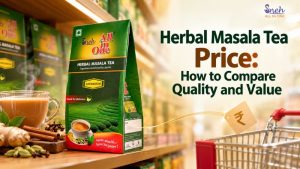
Author: SNEH All In One Editorial TeamReviewed by: SNEH All In One Herbal Tea Specialists Our SNEH All In One green-tea-based Herbal Masala Tea is
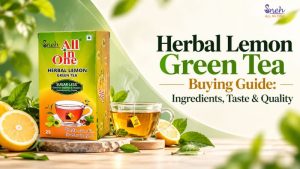
Written by: Anu Sharma – Herbal Tea Specialist with 21+ Years of ExperienceBrand: SNEH All In One – Naturally Crafted Teas Brand Disclosure: This guide