How to Choose the Right Herbal Kadha Tea
Author: SNEH All In One Team A good herbal kadha tea has clearly listed ingredients, suitable caffeine levels, simple brewing instructions and reliable packaging and


Herbal lemon tea can be a simple, low-calorie, caffeine-free beverage to include in a balanced diet. Depending on its ingredients, it may provide plant compounds and antioxidants, while drinking it without added sugar can help support hydration without adding many calories. However, it should complement nutritious meals and healthy habits rather than replace them.
This herbal infusion fits a healthy diet plan mainly as a refreshing, low-calorie, caffeine-free beverage. Lemon can contribute vitamin C, while herbs such as ginger and tulsi provide naturally occurring plant compounds. Ginger has also been studied for digestive symptoms such as nausea, although evidence varies by use and preparation. (NCCIH)
It is best viewed as one small part of an overall healthy routine that includes vegetables, fruits, whole grains, protein, adequate water, physical activity, and sufficient sleep.
Herbal lemon tea is a caffeine-free herbal beverage made by infusing selected herbs with lemon or lemon-based ingredients in hot water. Unlike black tea or green tea, a herbal infusion does not have to contain tea leaves from the Camellia sinensis plant, so it can naturally be caffeine-free.
The exact taste and nutritional profile depend on the formulation. Ingredients such as ginger, tulsi, amla, or other herbs can contribute their own plant compounds, while lemon adds its characteristic citrus flavor and can provide vitamin C.
For this reason, “herbal lemon tea” is best understood as a category of herbal beverages rather than a single standardized recipe. The potential benefits depend on the ingredients, quantity, preparation method, and how regularly it is consumed.
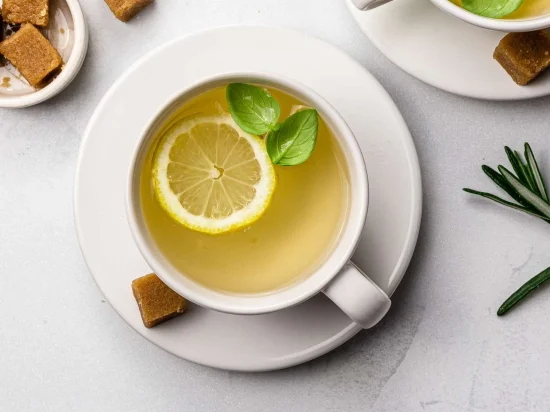
A cup of this beverage can support a healthy diet plan by providing a flavorful option without relying on added sugar. Replacing sugary drinks with an unsweetened herbal infusion can make it easier to manage overall calorie intake while also contributing to daily fluid intake.
Some ingredients may offer additional nutritional or functional value. For example, vitamin C is an antioxidant and plays an important role in normal immune function and collagen production.
However, drinking herbal lemon tea alone does not create weight loss, detoxification, or better health. Its value comes from how it fits into an overall balanced lifestyle.

Unsweetened herbal lemon tea can be a useful alternative to soft drinks, sweetened tea, or other calorie-containing beverages. Keeping added sugar low can support a diet that is focused on overall calorie balance and better beverage choices.
The final calorie content depends on the ingredients and whether sugar, honey, milk, or another sweetener is added.
This caffeine-free beverage contributes to fluid intake, which is important for normal body functions. Drinking a flavorful option can also make it easier for people who do not enjoy plain water to consume fluids throughout the day.
Hydration itself does not increase fat burning, but adequate fluid intake is an important part of a healthy daily routine.
Lemon is a source of vitamin C. Vitamin C functions as an antioxidant, supports normal immune function, helps with collagen production, and improves the absorption of non-heme iron from plant-based foods.
The amount of vitamin C in a cup can vary considerably depending on how much lemon is used and how the beverage is prepared. Therefore, it should not be treated as a precise source of a specific daily percentage unless the product has been laboratory tested.
Some herbal ingredients have been traditionally used for digestive comfort. Ginger, in particular, has been studied for nausea and vomiting, although the strength of evidence differs depending on the condition and form of ginger being used.
This means ginger-containing herbal lemon tea may be a soothing beverage for some people, but it should not be presented as a treatment for digestive disorders.
Herbs and spices contain naturally occurring plant compounds, including antioxidant compounds. Their composition varies according to the ingredients used, so the potential nutritional contribution of one herbal tea cannot automatically be applied to another.
A varied diet containing fruits, vegetables, whole grains, nuts, seeds, and other plant foods remains a much more important source of dietary nutrients.
One of the most practical ways this beverage can fit into a healthy diet plan is by replacing drinks that contain substantial amounts of added sugar.
Choosing an unsweetened herbal infusion instead of a sugar-sweetened drink can reduce the amount of added sugar consumed through beverages. If honey, sugar, or another sweetener is added, the nutritional value changes accordingly.
Herbal lemon tea can be part of a weight-management routine, but it should not be described as a fat-burning or weight-loss drink.
There is no good reason to assume that lemon tea by itself will cause the body to burn significant amounts of fat. Weight management depends on overall energy intake, food choices, physical activity, sleep, and other lifestyle factors.
A practical approach is to use unsweetened herbal lemon tea as a low-calorie beverage alongside balanced meals. This can help create a healthier beverage routine without making unrealistic promises about weight loss.
Herbal lemon tea does not need to “flush toxins” from the body because the body already has organs such as the liver and kidneys that process and eliminate waste.
Drinking enough fluids supports normal hydration, but there is no need to describe this beverage as a detox treatment. Claims that a tea can cleanse the liver, remove harmful toxins, or dramatically accelerate metabolism are stronger than the available evidence supports.
For everyday wellness, it is more useful to focus on balanced nutrition, adequate hydration, regular movement, and sufficient sleep.
Also Read This Blog: https://snehallinone.com/sneh-all-in-one-herbal-lemon-tea-for-detox-2026/
The nutritional value of herbal lemon tea depends on the recipe or commercial formulation.
Nutritional factor | What to expect |
Caffeine | Usually 0 mg when made only from herbs and lemon |
Calories | Generally very low when consumed without added sugar |
Added sugar | 0 g if prepared without sugar, honey, or sweeteners |
Vitamin C | Depends on the amount and form of lemon used |
Herbal compounds | Vary according to the herbs used |
For comparison, WebMD reports that an unsweetened 8-ounce lemon ginger tea can contain 0 calories, 0 grams of sugar, and 0 grams of carbohydrates, although nutrition values vary by recipe and brand. (WebMD)
For a packaged herbal tea, the product label should be used for the most accurate nutrition information.
A simple homemade herbal lemon tea can be prepared with a few basic ingredients.
The exact preparation can be adjusted according to taste and the ingredients being used. WebMD similarly includes ginger and lemon as the base ingredients in its lemon ginger tea preparation.
There is no scientifically established “best” time that makes herbal lemon tea more effective for weight loss or detoxification. The most suitable time depends on your preferences, ingredients, and how your body responds.
A cup in the morning can be a refreshing way to begin the day and add fluids without caffeine or added sugar.
Unsweetened herbal lemon tea can be used as a beverage between meals instead of sugary drinks or frequent sweet snacks.
A caffeine-free herbal infusion may be suitable in the evening for people who enjoy a warm, relaxing beverage. However, drinking a large amount immediately before bed may increase nighttime urination.
Choose a time that fits comfortably into your daily routine rather than drinking herbal lemon tea specifically for a supposed “detox” or metabolism boost.
This herbal beverage can be suitable for many healthy adults as part of a balanced diet, particularly for people who enjoy caffeine-free beverages or want to reduce their intake of sugary drinks.
It may be a practical option for:
However, suitability depends on the ingredients in the specific tea. Someone who is sensitive to a particular herb should check the ingredient list before consuming it.
Herbal ingredients aren’t automatically risk-free. Side effects depend on the herbs and amounts used.
For example, NCCIH notes that ginger can cause abdominal discomfort, heartburn, diarrhea, or mouth and throat irritation in some people. It also advises people taking medicines to speak with a healthcare professional because herbal products can interact with medicines.
If your herbal lemon tea contains ginger or other concentrated herbs, take extra care if you:
Pregnant or breastfeeding individuals should discuss herbal products with a healthcare professional before regular use.
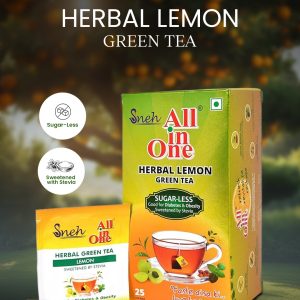
Sneh All-In-One Herbal Lemon Tea is formulated as an easy-to-prepare herbal beverage for people who enjoy a lemon-based herbal blend as part of their daily routine.
The blend combines selected herbs with a lemon profile to provide a convenient alternative to preparing herbal tea from individual ingredients. If you are adding it to a healthy diet plan, follow the product’s preparation and serving instructions and consider your overall intake of added sugar and other beverages.
For the most accurate information about ingredients, serving size, preparation, and nutrition, refer to the product packaging and product page.
Yes. Unsweetened herbal lemon tea can fit into a healthy diet plan as a low-calorie, caffeine-free beverage. Its main practical benefit is that it can provide variety and help replace sugary drinks. It should complement, rather than replace, nutritious foods and a balanced diet.
Herbal lemon tea does not directly cause weight loss or burn body fat. However, choosing an unsweetened, low-calorie beverage instead of sugary drinks can support a calorie-conscious diet. Sustainable weight management depends on overall diet, physical activity, sleep, and other lifestyle factors.
No specific tea has been established as a treatment for “detoxifying” the body. The liver and kidneys naturally process and eliminate waste. Herbal lemon tea can contribute to fluid intake, but it should not be marketed as a detox treatment.
A herbal lemon tea made only from herbs and lemon is generally caffeine-free because it does not contain traditional tea leaves. However, always check the ingredient list of a packaged product because some blends may contain green tea, black tea, or other caffeinated ingredients.
Many healthy adults can include a suitable herbal tea in their daily routine, but the answer depends on its ingredients and your individual circumstances. If the blend contains concentrated herbs or you take medication, speak with a healthcare professional before regular use.
Some people can drink it comfortably before eating, but it is not necessary to consume herbal lemon tea on an empty stomach for it to be effective. Lemon and certain herbs may cause discomfort or heartburn in sensitive individuals, so choose the timing that feels comfortable for you.
Herbal lemon tea can be a useful addition to a healthy routine, but no single beverage can provide all the nutrition your body needs.
For a balanced diet, focus on a variety of vegetables and fruits, whole grains, protein-rich foods, healthy fats, and adequate fluids. Use herbal lemon tea as one beverage within that broader eating pattern rather than relying on it for weight loss, detoxification, or disease prevention.

Herbal lemon tea is a beverage and should not be used as a replacement for a balanced diet, prescribed medication, or medical care. Individual responses can vary depending on the ingredients, quantity consumed, and personal health circumstances.
If you are pregnant or breastfeeding, have an underlying medical condition, take prescription or over-the-counter medicines, or are considering regular use of concentrated herbal products, consult a qualified healthcare professional before use. Herbal products can interact with medicines, and some ingredients may not be appropriate for everyone.
This content is provided for general informational purposes and is not intended to diagnose, treat, cure, or prevent any disease.
Herbal lemon tea can be a simple addition to a healthy diet plan, especially when consumed without added sugar. It can provide a refreshing, caffeine-free beverage option, contribute to fluid intake, and provide plant compounds depending on its ingredients. Lemon can also contribute vitamin C, an essential nutrient involved in antioxidant activity and immune function.
Its role should remain realistic: herbal lemon tea is not a detox treatment or a shortcut to weight loss. Used alongside balanced meals, regular physical activity, adequate sleep, and good hydration, it can be one practical part of a healthier daily routine.

Author: SNEH All In One Team A good herbal kadha tea has clearly listed ingredients, suitable caffeine levels, simple brewing instructions and reliable packaging and
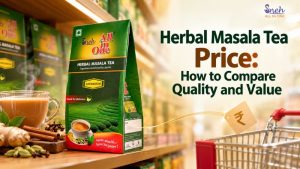
Author: SNEH All In One Editorial TeamReviewed by: SNEH All In One Herbal Tea Specialists Our SNEH All In One green-tea-based Herbal Masala Tea is

Written by: Anu Sharma – Herbal Tea Specialist with 21+ Years of ExperienceBrand: SNEH All In One – Naturally Crafted Teas Brand Disclosure: This guide