How to Choose the Right Herbal Kadha Tea
Author: SNEH All In One Team A good herbal kadha tea has clearly listed ingredients, suitable caffeine levels, simple brewing instructions and reliable packaging and

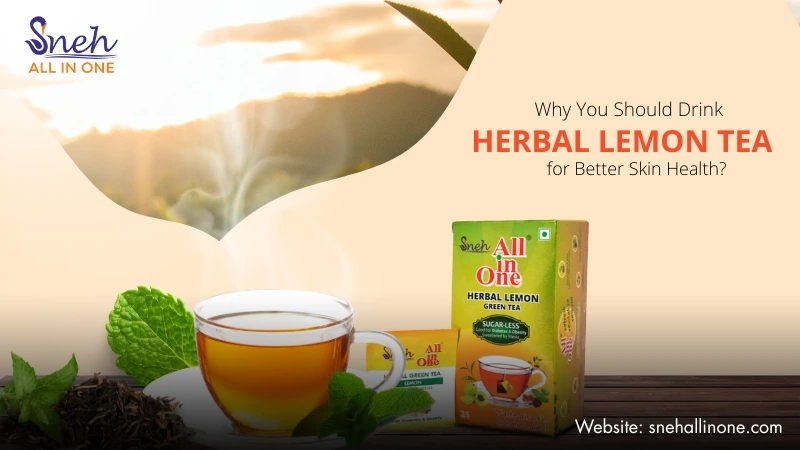
Herbal lemon tea may support healthy-looking skin as part of a balanced diet and lifestyle, mainly by providing fluids and plant compounds such as antioxidants. If the blend contains vitamin C-rich ingredients, vitamin C also contributes to normal collagen formation and antioxidant protection. However, herbal lemon tea should not be considered a treatment for acne, pigmentation, or premature aging.
For skin health, the most useful way to think about herbal lemon tea is as a supportive daily beverage, not a replacement for sunscreen, a balanced diet, adequate sleep, or dermatologist-recommended skincare.
Herbal lemon tea is a caffeine-free herbal beverage made by combining lemon with herbs and spices. Unlike conventional black or green tea, a purely herbal blend does not rely on tea leaves as its primary ingredient.
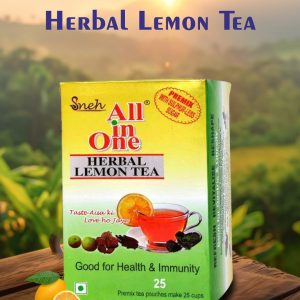
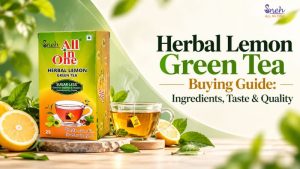
The nutritional and botanical profile depends on the ingredients and their quantities. Sneh All-In-One Herbal Lemon Tea, for example, is formulated with herbs such as tulsi, amla, black pepper, and ginger, along with lemon.
These ingredients provide naturally occurring plant compounds, while the beverage itself can also contribute to fluid intake.
The important distinction is that herbal lemon tea may support skin health indirectly, but there is limited evidence that drinking a particular herbal tea directly improves acne, wrinkles, or pigmentation.
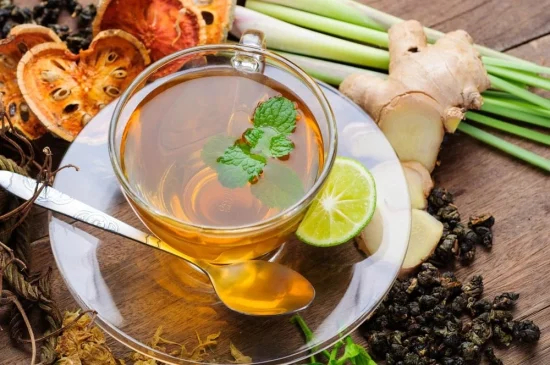
Skin health depends on several factors, including nutrition, hydration, genetics, sun exposure, hormones, sleep, and skincare habits. Herbal lemon tea can contribute to this bigger picture through fluids and plant-derived compounds.
Component | Potential role in skin health |
Vitamin C | Supports normal collagen formation and antioxidant protection |
Plant antioxidants | Help protect cells from oxidative stress |
Polyphenols | Provide naturally occurring antioxidant compounds |
Fluids | Contribute to overall hydration |
Herbal compounds | Different herbs provide different naturally occurring phytochemicals |
Vitamin C has an established role in skin biology. Research reviews describe its involvement in collagen synthesis and antioxidant protection, although evidence for dietary vitamin C is not equivalent to evidence for topical vitamin C products.
The exact vitamin C contribution of a cup of herbal lemon tea depends on the recipe, preparation method, and amount of lemon or other vitamin C-containing ingredients. Therefore, it is better not to assume that every herbal lemon tea provides a high dose of vitamin C.
Herbal lemon tea may support skin health through a combination of hydration, dietary plant compounds, and nutrients. The strongest evidence relates to the general roles of nutrients such as vitamin C and antioxidants rather than to herbal lemon tea itself as a skin treatment.
Collagen is an important structural protein that helps maintain the strength and elasticity of skin.
Vitamin C is required for normal collagen formation. It also contributes to the protection of cells from oxidative stress.
If your herbal lemon tea contains meaningful amounts of vitamin C-rich ingredients, it can contribute to your overall dietary intake. However, drinking lemon tea should not be presented as a standalone method for increasing collagen or removing wrinkles.
Oxidative stress is one of the factors involved in skin aging and environmental skin damage. Plant-derived compounds, including various polyphenols and other antioxidants, have been studied for their potential role in protecting against oxidative stress.
Herbs and plant ingredients can provide antioxidant compounds, but their effects depend on the specific plant, preparation, amount consumed, and how those compounds are absorbed.
This makes herbal lemon tea a useful addition to a varied diet rather than a substitute for targeted skincare.
Adequate fluid intake is important for normal body function. Drinking herbal lemon tea can be one simple way to increase your daily fluid consumption, especially if you enjoy its refreshing taste.
However, hydration should not be confused with directly moisturizing the skin. Drinking more tea cannot replace a suitable moisturizer when your skin barrier needs topical support.
Ingredients such as amla, tulsi, ginger, and other herbs contain naturally occurring plant compounds.
A varied diet containing fruits, vegetables, whole grains, legumes, nuts, seeds, and other nutrient-rich foods remains a stronger foundation for obtaining a broad range of nutrients and phytochemicals.
Herbal lemon tea can complement that pattern when enjoyed as part of an overall balanced diet.
Skin aging is influenced by intrinsic aging as well as factors such as ultraviolet exposure, environmental stressors, nutrition, and lifestyle. Oxidative stress is one of the mechanisms associated with skin aging.
Antioxidants have therefore received significant attention in skin-health research. But it is important to distinguish between evidence for antioxidants in skincare products and evidence for drinking Ayurvedic herbal tea.
A daily cup can be part of a healthy routine, but it should not be described as an anti-aging treatment.
There is not enough evidence to claim that herbal lemon tea directly treats or prevents acne.
Acne is influenced by factors including sebum production, clogged pores, inflammation, hormones, genetics, and other individual factors. Diet may also influence acne in some people, but the evidence is still developing. The American Academy of Dermatology notes that low-glycemic dietary patterns may help some people experience fewer breakouts, while also emphasizing that effective acne management can require appropriate skincare and medication.
Therefore, it is more accurate to say that herbal lemon tea can be part of a healthy lifestyle rather than claiming that lemon, tulsi, or ginger in tea will eliminate acne.
If acne is persistent, painful, severe, or leaving scars, professional dermatological advice is more appropriate than relying on herbal tea alone.
What it may support | What it should not be expected to do |
Daily fluid intake | Cure acne |
Normal collagen formation when adequate vitamin C is consumed | Remove wrinkles |
Dietary antioxidant intake | Eliminate pigmentation |
A balanced wellness routine | Replace sunscreen |
Healthy lifestyle habits | Replace prescribed skin treatment |
This distinction is important because supporting skin health is different from treating a skin condition.
Sneh All-In-One Herbal Lemon Tea is made with a combination of herbs and lemon rather than relying on lemon alone. The product formulation includes ingredients such as tulsi, amla, black pepper, and ginger.
This makes it a convenient option for people who want to include a herbal lemon beverage in their regular routine.
The product page describes it as a caffeine-free herbal formulation and provides preparation instructions for enjoying it as a warm beverage.
For skin health, the more realistic benefit is its place within an overall wellness routine. Rather than treating Sneh All-In-One Herbal Lemon Tea as a skin cure, consider it one small part of a lifestyle that also includes nutritious food, adequate fluids, good sleep, sun protection, and appropriate skincare.
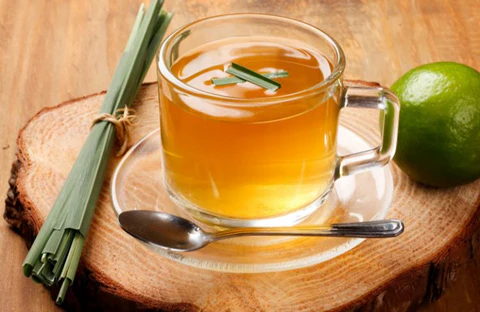
You can enjoy herbal lemon tea at a time that fits comfortably into your routine.
A practical approach is to:
The goal is consistency rather than expecting visible skin changes from one beverage.
Herbal products are not automatically suitable for everyone. Individual herbs can interact with medications or may not be appropriate for people with certain medical conditions.
Speak with a qualified healthcare professional before regularly consuming herbal products if you:
Always check the complete ingredient list of the product you are using.
Herbal lemon tea may support skin health indirectly through fluid intake and plant-derived nutrients and antioxidants. However, there is not enough evidence to say that drinking lemon tea directly treats acne, wrinkles, or pigmentation.
There is no established daily amount of herbal lemon tea specifically proven to improve skin health. Follow the preparation and serving guidance for your chosen product and consider your overall fluid intake and dietary pattern.
Herbal lemon tea should not be considered an acne treatment. Although diet can influence acne for some people, evidence does not establish herbal lemon tea as a direct treatment for breakouts. Persistent or severe acne should be assessed by a dermatologist.
Vitamin C is required for normal collagen formation, but the amount of vitamin C provided by lemon tea depends on the ingredients and preparation. Drinking lemon tea should therefore not be described as a direct collagen-boosting treatment.
Many healthy adults can include a suitable caffeine-free herbal tea in their daily routine. However, the safety of daily consumption depends on the specific ingredients, serving size, allergies, medications, and individual health circumstances.
There is no good evidence that drinking herbal lemon tea can remove dark spots. Vitamin C has been studied for pigmentation, particularly in topical skincare, but those findings cannot automatically be applied to drinking lemon tea.
This article is for general educational and informational purposes only and is not a substitute for medical advice, diagnosis, or treatment. Herbal lemon tea should not be used to treat acne, pigmentation, skin aging, or other medical conditions without appropriate professional guidance. Individual responses may vary. If you are pregnant, breastfeeding, taking medication, have a medical condition, or have concerns about your skin, consult a qualified healthcare professional before making significant dietary or herbal changes.

Author: SNEH All In One Team A good herbal kadha tea has clearly listed ingredients, suitable caffeine levels, simple brewing instructions and reliable packaging and
Author: SNEH All In One Editorial TeamReviewed by: SNEH All In One Herbal Tea Specialists Our SNEH All In One green-tea-based Herbal Masala Tea is
Written by: Anu Sharma – Herbal Tea Specialist with 21+ Years of ExperienceBrand: SNEH All In One – Naturally Crafted Teas Brand Disclosure: This guide