Herbal Masala Tea Price: How to Compare Quality and Value
Author: SNEH All In One Editorial TeamReviewed by: SNEH All In One Herbal Tea Specialists Our SNEH All In One green-tea-based Herbal Masala Tea is


Author: Anu Sharma – Herbal Tea Specialist with 21+ Years of Experience
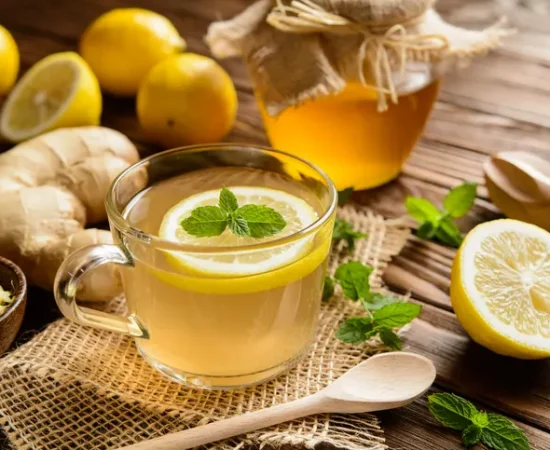
Herbal lemon tea is a refreshing herbal beverage made by combining lemon with herbs such as tulsi, ginger, or other plant ingredients. Unlike traditional tea, a caffeine-free herbal lemon tea does not need green or black tea leaves.
It can be a simple way to add a flavorful, low-calorie beverage to your daily routine. The benefits depend on the herbs and the amount of lemon used, so it is important to check the ingredient list rather than assuming every herbal lemon tea has the same properties.
Herbal lemon tea is a combination of lemon and herbs that creates a refreshing and flavorful drink. It can be made with fresh lemon juice, lemon peel, or lemon-flavored herbal blends.
Unlike regular tea, which is usually made from Camellia sinensis leaves, herbal lemon tea is generally made from herbs and other plant ingredients. This means many herbal lemon tea blends are naturally caffeine-free.
Depending on the formulation, herbal lemon tea may contain ingredients such as tulsi, ginger, amla, black pepper, lemon peel, or other herbs. Since formulations vary between products, always check the ingredient list before choosing a blend.
Also Read: What Is Herbal Tea? Types, Benefits & How It Works.
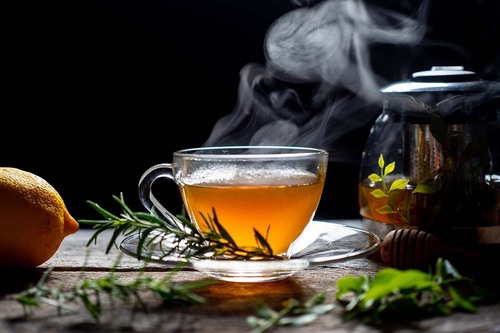
Making herbal lemon tea at home is simple. The exact method depends on whether you use fresh herbs, dried herbs, or a prepared herbal tea blend.
You can also serve some herbal lemon tea preparations cold with ice for a refreshing drink.
If your herbal blend already contains lemon, additional lemon may not be necessary.
For a caffeine-free version, avoid adding green tea or black tea unless you specifically want a caffeinated beverage.
The potential benefits of herbal lemon tea depend mainly on its ingredients and overall preparation. Lemon can contribute vitamin C, while herbs such as ginger have been studied for specific uses.
Herbal lemon tea can be a flavorful alternative to sugary beverages. Drinking unsweetened or lightly sweetened tea can help add variety to your daily fluid intake.
The CDC recommends choosing water and other low- or no-calorie beverages more often instead of sugar-sweetened drinks. CDC: About Water and Healthier Drinks
Lemon is a source of vitamin C, although the amount in a cup of tea depends on how much lemon is used and how the drink is prepared.
Vitamin C functions as an antioxidant and supports normal collagen production and other functions in the body. NIH Office of Dietary Supplements: Vitamin C Consumer Fact Sheet
Vitamin C is an essential nutrient involved in normal immune function. Adding lemon to a balanced diet can contribute some vitamin C, but herbal lemon tea should not be viewed as an immune treatment.
The NIH notes that vitamin C is important for healthy immune function and also acts as an antioxidant. NIH Office of Dietary Supplements: Immune Function
Some herbal lemon tea blends contain ginger, which has been studied for several types of nausea and vomiting. However, the quality and scope of evidence vary by condition and preparation.
The National Center for Complementary and Integrative Health (NCCIH) notes that ginger has been studied for several types of nausea and vomiting, with limitations in the available research. NCCIH: Ginger
If you are specifically looking for a tea after eating, see Best Herbal Tea for Bloating After Meals.
Herbal lemon tea can be a practical beverage choice when it replaces higher-calorie or sugar-sweetened drinks. Choosing an unsweetened version can also help limit added sugar intake.
The CDC identifies sugary drinks as a major source of added sugars and recommends limiting them as part of a healthier eating pattern. CDC: Sugar-Sweetened Beverage Consumption
If you add honey or another sweetener, remember that honey is also considered an added sugar when added to foods or drinks. CDC: Healthy Eating Tips
Herbal lemon tea is not a weight-loss treatment, and simply drinking lemon tea does not automatically cause fat loss.
However, an unsweetened herbal tea can be a useful beverage choice when it replaces higher-calorie or sugar-sweetened drinks. Your overall diet, physical activity, sleep, and daily habits have a much greater influence on weight management.
If you are comparing sweeteners for your tea, read Stevia vs Sugar.
There is no single best time to drink herbal lemon tea. You can enjoy it according to your routine, the ingredients in the blend, and your personal preference.
A warm herbal beverage can be a comfortable choice after eating. If your blend contains ginger, it may also be relevant for people interested in ginger’s studied uses for certain types of nausea.
For specific digestive concerns, however, herbal lemon tea should not replace appropriate medical advice.
Herbal lemon tea can provide a refreshing alternative to sugary drinks during the afternoon. If you prefer to avoid caffeine, choose a blend made without green or black tea.
A caffeine-free herbal lemon tea can be suitable in the evening if you enjoy a warm, flavorful beverage. Checking the ingredients is important because not every lemon tea is caffeine-free.
You can include herbal lemon tea as part of your regular beverage routine. Keeping added sweeteners moderate makes it easier to use the drink as an alternative to sugar-sweetened beverages.
If you are sensitive to acidic drinks, pay attention to how your body responds to lemon-containing beverages.
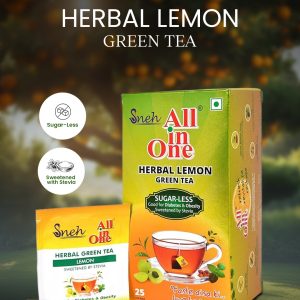
Sneh All In One Herbal Lemon Tea is formulated with herbs including tulsi, amla, black pepper, and ginger, along with lemon for a tangy taste. The herbal lemon tea is prepared with hot water and can also be served cold with ice.
The ingredients and preparation details are listed on the Sneh product page, so you can check the current formulation before use.
You can view the product here: Sneh All In One Herbal Lemon Tea.
As with any packaged herbal product, check the current ingredient list and preparation instructions before use.

Caffeine depends on the ingredients. A caffeine-free herbal lemon tea made without green or black tea leaves does not naturally contain tea-leaf caffeine. Always check the product label to confirm.
For most people, herbal lemon tea can be included as part of a balanced daily beverage routine. However, individual ingredients may not be suitable for everyone, particularly in large amounts.
Some herbal lemon tea blends contain ingredients such as ginger that have been studied for digestive-related symptoms, including certain types of nausea. Evidence varies depending on the condition and preparation.
Herbal lemon tea itself does not cause weight loss. Choosing an unsweetened version instead of sugary beverages may help reduce overall calorie and added-sugar intake.
They serve different purposes. Regular green or black tea contains caffeine, while a caffeine-free herbal lemon tea can provide a caffeine-free alternative. The better choice depends on your dietary preferences and caffeine tolerance.
Yes, you can drink a caffeine-free herbal lemon tea at night if it suits your routine. Check the ingredients carefully because lemon tea made with green or black tea may contain caffeine.
Yes, honey can be added for sweetness, but it contributes added sugar to the beverage. If you are trying to reduce added sugar intake, consider using less honey or choosing an unsweetened tea.
Herbal lemon tea can be a simple addition to a balanced daily routine. Choose a blend based on its ingredients, keep added sugar moderate, and avoid treating the beverage as a replacement for medical care or a balanced diet.
For a caffeine-free option, select a formulation made without green or black tea leaves. If you are choosing a packaged product, read the ingredient list and preparation instructions carefully.
This article is for general educational purposes only and does not provide medical advice, diagnosis, or treatment. Herbal ingredients may affect people differently and may interact with certain medications or medical conditions. Consult a qualified healthcare professional if you have a health condition, take medication, are pregnant or breastfeeding, or have concerns about using herbal products.
Herbal lemon tea is a refreshing beverage that combines lemon with herbs and botanicals. Its potential benefits depend on the ingredients used, while an unsweetened, caffeine-free blend can be a practical alternative to sugary or caffeinated drinks.
Rather than viewing herbal lemon tea as a cure or detox drink, consider it one small part of a balanced diet and healthy daily routine.

Author: SNEH All In One Editorial TeamReviewed by: SNEH All In One Herbal Tea Specialists Our SNEH All In One green-tea-based Herbal Masala Tea is

Written by: Anu Sharma – Herbal Tea Specialist with 21+ Years of ExperienceBrand: SNEH All In One – Naturally Crafted Teas Brand Disclosure: This guide

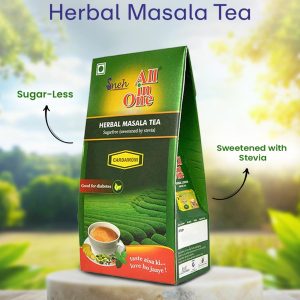
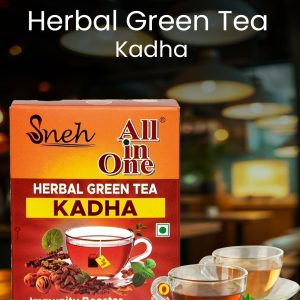
Sneh All In One offers a range of herbal products focused on convenient tea-based wellness options for everyday routines. The collection includes Herbal Masala Tea,