How to Choose the Right Herbal Kadha Tea
Author: SNEH All In One Team A good herbal kadha tea has clearly listed ingredients, suitable caffeine levels, simple brewing instructions and reliable packaging and


Reviewed by: Anu Sharma – Herbal Tea Specialists with 21+ Years of Experience
Editorial Note: This article is based on traditional herbal wellness practices, current nutritional research, and our experience in developing herbal tea blends. It is intended for educational purposes only and should not replace professional medical advice. If you have persistent digestive symptoms or an underlying medical condition, consult a qualified healthcare professional.
After a satisfying meal, many people like to sip on something light, refreshing, and comforting. Two popular choices are lemon water and herbal lemon tea. While both are healthier alternatives to sugary beverages, they aren’t exactly the same when it comes to supporting your post-meal routine.
If your main goal is hydration, lemon water is a simple and effective choice. However, if you often experience occasional bloating, heaviness, or digestive discomfort after eating, a herbal lemon tea made with ingredients like ginger, fennel, peppermint, or tulsi may offer additional wellness benefits.
The truth is, there isn’t a single “better” drink for everyone. The right option depends on your lifestyle, eating habits, and what you’re hoping to achieve.
In this guide, we’ll compare both beverages using nutritional evidence, traditional herbal knowledge, and over two decades of experience creating herbal wellness teas at Sneh All In One – helping you choose the drink that best fits your daily routine.
If you’re short on time, here’s the simple comparison:
Feeling slightly heavy after eating isn’t unusual. Rich, spicy, fried, or oversized meals can sometimes leave you feeling uncomfortable.
Common post-meal concerns include:
While no beverage can instantly “fix” digestion, your choice of drink can become part of healthier daily habits.
Hydration supports normal digestive function, while herbal ingredients have been traditionally used to promote digestive comfort. When paired with balanced meals, regular movement, and mindful eating, these beverages can contribute to an overall wellness-focused lifestyle.
Feature | Lemon Water | Herbal Lemon Tea |
Hydration | ⭐⭐⭐⭐⭐ | ⭐⭐⭐⭐⭐ |
Digestive Herbs | ❌ No | ✅ Yes |
Vitamin C | Naturally Present | Naturally Present (varies by blend) |
Antioxidants | Moderate | Higher depending on herbs |
Calories | Very Low | Very Low |
Caffeine | None | Usually caffeine-free* |
Best For | Everyday hydration | Post-meal wellness |
Taste | Light & Citrusy | Warm, Herbal & Refreshing |
Some blends include green tea and naturally contain caffeine. Always check the ingredient label.
Bottom line: Lemon water is ideal for hydration, while herbal lemon tea provides hydration plus the added benefits of carefully selected herbs.
Lemon water has become one of the most popular wellness drinks because it’s easy to prepare and naturally refreshing.
Made by adding fresh lemon juice to water, it offers several practical benefits.
✔ Encourages healthy hydration
✔ Provides naturally occurring vitamin C
✔ Contains very few calories
✔ Helps replace sugary soft drinks
✔ Refreshes the palate after meals
Many of the health benefits often attributed to lemon water actually come from drinking enough fluids. Staying hydrated supports many normal body functions, including digestion.
For people who struggle to drink enough plain water, adding fresh lemon can simply make hydration more enjoyable.
Unlike lemon water, herbal lemon tea combines citrus with a blend of herbs that have been traditionally enjoyed for generations.
Depending on the recipe, a quality herbal lemon tea may include:
Each ingredient contributes its own unique flavour and wellness profile.
Rather than relying on lemon alone, herbal tea offers a combination of botanicals that work together to create a soothing beverage, especially after meals.
At Sneh All In One, we’ve spent more than 21 years creating herbal tea blends inspired by traditional wellness practices.
One thing we’ve consistently noticed is that customers aren’t usually looking for a miracle solution after meals. Instead, they’re searching for a comforting drink that helps them unwind after enjoying rich, spicy, or homemade food.
This insight has shaped how we formulate our herbal teas.
Instead of relying on artificial flavours or excessive sweetness, we focus on carefully selected herbs that have been traditionally used in everyday wellness routines.
While herbal tea isn’t a treatment for digestive disorders, it can become a simple and enjoyable habit that complements healthy eating and mindful living.
The refreshing taste of lemon is only one part of the experience.
The herbs included in many herbal lemon tea blends provide additional plant compounds that have long been valued in traditional wellness systems.
Here’s a closer look at some of the most common ingredients.
Ginger is among the most extensively researched herbs for digestive health.
Scientific studies suggest that ginger may help support normal gastric emptying, the natural process through which food moves from the stomach into the small intestine.
It has also been studied for helping relieve occasional nausea and promoting digestive comfort.
Because of these qualities, ginger has remained a popular ingredient in herbal beverages across many cultures.
Fennel seeds have traditionally been consumed after meals in India, the Middle East, and Mediterranean countries.
They’re commonly enjoyed because they may help:
Although more large-scale research is still needed, fennel continues to be widely used in traditional digestive wellness practices.
Peppermint is another well-known herb associated with digestive comfort.
Clinical research has shown that peppermint oil may help manage symptoms related to Irritable Bowel Syndrome (IBS).
Although peppermint tea itself hasn’t been studied as extensively as concentrated peppermint oil, many people enjoy it as a naturally soothing beverage after meals.
Tulsi has been valued in Ayurveda for centuries.
It’s appreciated for its:
While tulsi isn’t specifically intended for digestion, it complements other herbs commonly found in herbal tea blends.
Modern research continues to explore the relationship between herbs and digestive wellness.
Current evidence suggests:
Researchers are still studying complete herbal tea blends. However, traditional herbal knowledge combined with emerging scientific evidence suggests that beverages containing multiple digestive herbs may provide broader wellness support than lemon alone.
If occasional bloating is your primary concern after meals, herbal lemon tea may offer additional support because it contains herbs traditionally associated with digestive comfort.
Warm beverages themselves can feel soothing, and ingredients such as ginger, fennel, and peppermint have been used for generations as part of post-meal wellness rituals.
That doesn’t mean lemon water lacks value. Proper hydration plays an important role in normal digestion and overall health.
Instead of viewing these beverages as competitors, it may be more helpful to think of them as serving different purposes:
For persistent bloating, severe abdominal pain, unexplained weight loss, or ongoing digestive symptoms, it’s important to seek medical advice rather than relying on home remedies alone.
The better choice depends on when and why you’re drinking it. Rather than replacing one with the other, many people find that both beverages have a place in a balanced lifestyle.
From our experience at Sneh All In One, many customers naturally enjoy both beverages. Lemon water is often preferred during the day, while herbal lemon tea becomes a comforting choice after lunch or dinner.
Although there isn’t a scientifically proven “perfect” time, drinking herbal lemon tea around 20–30 minutes after a meal is generally a comfortable option for most people.
This allows your digestive process to begin naturally while giving you an opportunity to slow down and relax.
To make your post-meal routine even more effective, pair your drink with healthy habits such as:
These simple habits often have a greater long-term impact on digestive wellness than any single food or beverage.
For most healthy adults, herbal lemon tea can be enjoyed regularly as part of a balanced diet.
However, it may not be suitable for everyone.
Speak with your healthcare provider before making herbal tea a daily habit if you:
Reading the ingredient list is always recommended, as herbal tea blends can vary from one brand to another.
At Sneh All In One, we believe wellness is built through consistent daily habits – not quick fixes.
For more than 21 years, we’ve developed herbal tea blends inspired by traditional herbal wisdom and modern consumer preferences. Throughout this journey, we’ve learned that people don’t simply want another flavoured beverage. They want products that fit naturally into their lifestyle and encourage healthier choices.
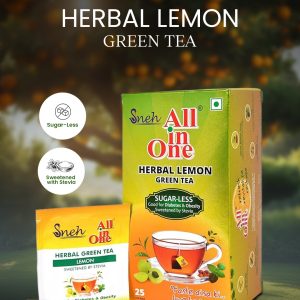
That’s why our Herbal Lemon Tea is thoughtfully crafted using carefully selected ingredients such as lemon, ginger, fennel, and tulsi. Each ingredient is chosen for its traditional use and complementary flavour, creating a balanced cup that’s enjoyable after meals or during moments of relaxation.
While no herbal tea should be viewed as a treatment for digestive disorders, many of our customers appreciate making it part of their everyday wellness routine alongside nutritious meals, regular exercise, and adequate hydration.
For us, success isn’t measured by dramatic claims – it’s measured by helping people build healthier habits they can enjoy every day.
If you’re exploring herbal teas that combine refreshing citrus with traditional botanicals, Sneh All In One Herbal Lemon Tea is designed to complement a healthy lifestyle.
✔ Made with carefully selected herbal ingredients
✔ Refreshing lemon flavour with traditional botanicals
✔ Suitable for everyday wellness routines
✔ A comforting choice after meals
✔ Crafted with over 21 years of herbal expertise
Whether you’re replacing sugary beverages or simply looking for a relaxing drink after lunch or dinner, herbal lemon tea can become an enjoyable part of your daily routine.
Tip: For the best experience, enjoy a warm cup after meals alongside a balanced diet and active lifestyle.
If your priority is hydration, lemon water is an excellent choice. If you’re looking for a warm beverage that includes herbs traditionally used to support digestive comfort, herbal lemon tea may be the better option.
Yes. Most healthy adults can enjoy one or two cups daily as part of a balanced lifestyle. If you’re pregnant, breastfeeding, taking medication, or have a medical condition, consult your healthcare provider before consuming herbal teas regularly.
Lemon water supports hydration, which contributes to normal digestive function. However, it doesn’t contain herbs such as ginger, fennel, or peppermint that are commonly associated with digestive comfort.
No beverage instantly speeds up digestion. However, research suggests that ginger may support normal gastric emptying, and warm herbal beverages can provide a soothing post-meal experience.
It depends on the ingredients. Lemon water naturally provides antioxidants from lemon, while herbal lemon tea may contain additional beneficial plant compounds from herbs like tulsi, ginger, peppermint, or green tea.
No. Herbal lemon tea can complement your hydration routine, but it shouldn’t replace plain water entirely. Drinking sufficient water each day remains essential for overall health.
When deciding between lemon water and herbal lemon tea, there isn’t a one-size-fits-all answer.
If your goal is to stay hydrated throughout the day, lemon water is a refreshing, low-calorie choice that supports healthy hydration and fits easily into almost any lifestyle.
If you’re looking for a warm and flavourful beverage after meals, herbal lemon tea offers something different. By combining lemon with traditionally used herbs such as ginger, fennel, peppermint, and tulsi, it provides a broader wellness profile that many people enjoy as part of their daily routine.
Rather than choosing one over the other, consider using them at different times of the day based on your needs.
At Sneh All In One, we’ve found that lasting wellness isn’t built around a single ingredient or drink. It’s created through small, consistent habits—eating balanced meals, staying active, drinking enough water, and choosing beverages that support your lifestyle.
Whether your cup contains lemon water or herbal lemon tea, the healthiest choice is the one that helps you maintain those habits consistently.

Author: SNEH All In One Team A good herbal kadha tea has clearly listed ingredients, suitable caffeine levels, simple brewing instructions and reliable packaging and

Author: SNEH All In One Editorial TeamReviewed by: SNEH All In One Herbal Tea Specialists Our SNEH All In One green-tea-based Herbal Masala Tea is

Written by: Anu Sharma – Herbal Tea Specialist with 21+ Years of ExperienceBrand: SNEH All In One – Naturally Crafted Teas Brand Disclosure: This guide