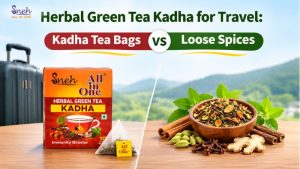
Herbal Green Tea Kadha for Travel: Kadha Tea Bags vs Loose Spices
Written by: Sneh All In One Editorial Team Herbal Green Tea Kadha is a ready-to-brew tea bag blend made with green tea extract and traditional

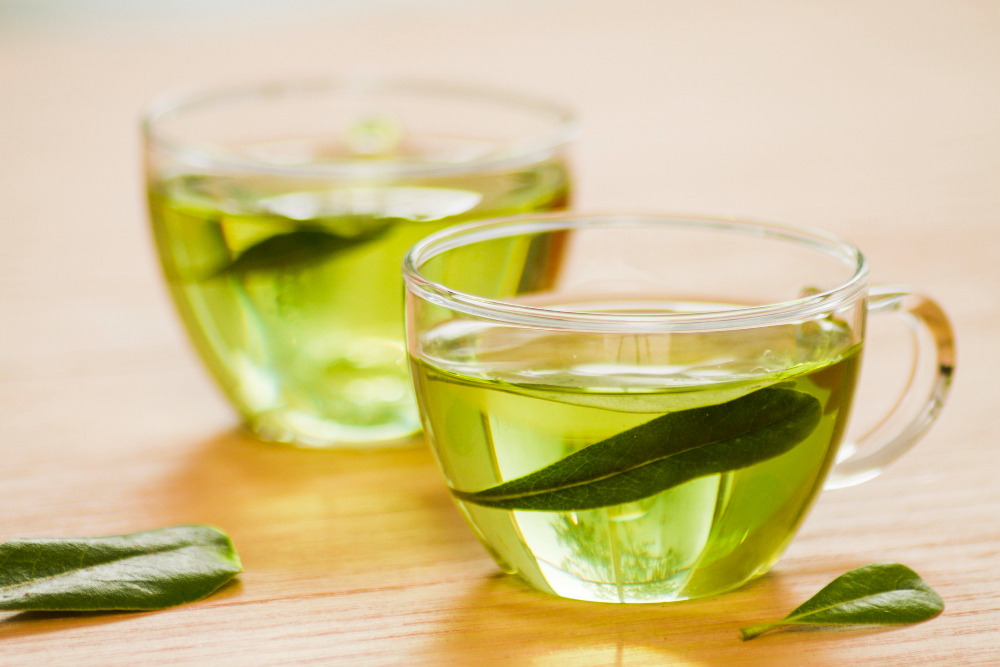
If you are comparing herbal tea vs green tea, neither is universally better. Green tea comes from Camellia sinensis and naturally contains caffeine and catechins, while herbal tea is made from herbs, flowers, spices, fruits, or other plants and may be naturally caffeine-free. The better choice depends on whether you want caffeine and green-tea compounds or a caffeine-free herbal beverage.
Choose green tea when you want a caffeinated tea containing catechins and support for alertness. Choose a caffeine-free herbal tea when you prefer a soothing beverage, especially later in the day. Always check the ingredients because some herbal blends may also contain green, black, or other true teas.
Green tea is made from the leaves of Camellia sinensis. Unlike black tea, the leaves are not fully oxidized, which helps preserve many of the tea’s naturally occurring compounds, including catechins. Green tea also naturally contains caffeine.
Green tea has been studied for mental alertness, cardiovascular risk factors, body weight and other health outcomes. However, research does not support treating green tea as a cure or as a replacement for medical treatment.
Herbal tea is generally made from plants other than Camellia sinensis. Common examples include chamomile, peppermint, ginger and hibiscus. Because these beverages do not use the tea plant, many herbal teas are naturally caffeine-free. However, a product labelled “herbal tea” can be a blend, so checking the ingredient list is important.
For a broader explanation, see benefits of herbal green tea.
The effects of herbal tea depend mainly on the ingredients used. A chamomile tea and a hibiscus tea, for example, should not be expected to have exactly the same properties.
Both beverages can fit into a balanced lifestyle, but their composition and potential uses are different.
Feature | Green Tea | Herbal Tea |
Source | Camellia sinensis | Herbs, flowers, spices, fruits and other plants |
Caffeine | Naturally contains caffeine | Often caffeine-free, unless blended with true tea |
Main compounds | Catechins, caffeine and other tea compounds | Depends on the herbs used |
Common uses | Alertness, refreshing beverage and general wellness | Relaxation, flavour variety and caffeine-free hydration |
Best time | Morning or earlier in the day for people sensitive to caffeine | Often suitable in the evening, depending on ingredients |
Weight management | May have a modest effect on body weight | Depends on ingredients; not a standalone weight-loss solution |
Green tea contains catechins, a group of polyphenols that have been widely studied for their biological activity. EGCG is one of the best-known green tea catechins. Research continues to investigate how these compounds affect different aspects of health.
Because green tea contains caffeine, it can help increase alertness. The amount of caffeine varies according to the tea, serving size and preparation method, so it is better to check the product information when a specific caffeine amount matters.
Studies have examined green tea for cholesterol and other cardiovascular risk factors. NCCIH notes that available evidence suggests green tea may have beneficial effects on some heart-disease risk factors, although the evidence is limited.
Catechins and caffeine in green tea may have a modest effect on body weight. NCCIH also notes that the effect can vary according to the product’s composition and an individual’s physical activity. This does not mean green tea produces meaningful weight loss on its own.
Green tea provides polyphenols, including catechins. These compounds are one reason green tea has been extensively studied in nutrition and health research. However, antioxidant content should not be treated as proof that green tea prevents a particular disease.
Green tea and its compounds have been studied in relation to different types of cancer, but human research has produced inconsistent results. Green tea should therefore not be presented as a way to prevent or treat cancer.
Many herbal teas, including chamomile, peppermint and ginger teas, are naturally caffeine-free because they are made from plants other than Camellia sinensis.
Different herbs are traditionally used for digestive comfort. However, the evidence depends on the specific herb and preparation. For example, peppermint has been studied for digestive symptoms, while people with reflux may find mint aggravates their symptoms.
Herbal tea gives you many flavour choices, including floral, spicy, minty and fruity options. This makes it useful for people who want to reduce their caffeine intake.
A caffeine-free herbal tea can be a comfortable evening beverage. The effect depends on the ingredients, so blends containing stimulating ingredients or true tea should be checked before bedtime.
Hibiscus, chamomile, ginger, peppermint and other herbs have been studied separately. Their effects should not be generalised to every herbal tea. For example, NCCIH notes that evidence for hibiscus and blood-pressure reduction is limited and the effects are small.
A herbal tea blend is only as specific as its ingredients. Always check the label if you are looking for a caffeine-free drink or if you need to avoid a particular herb because of medication, pregnancy or a health condition.
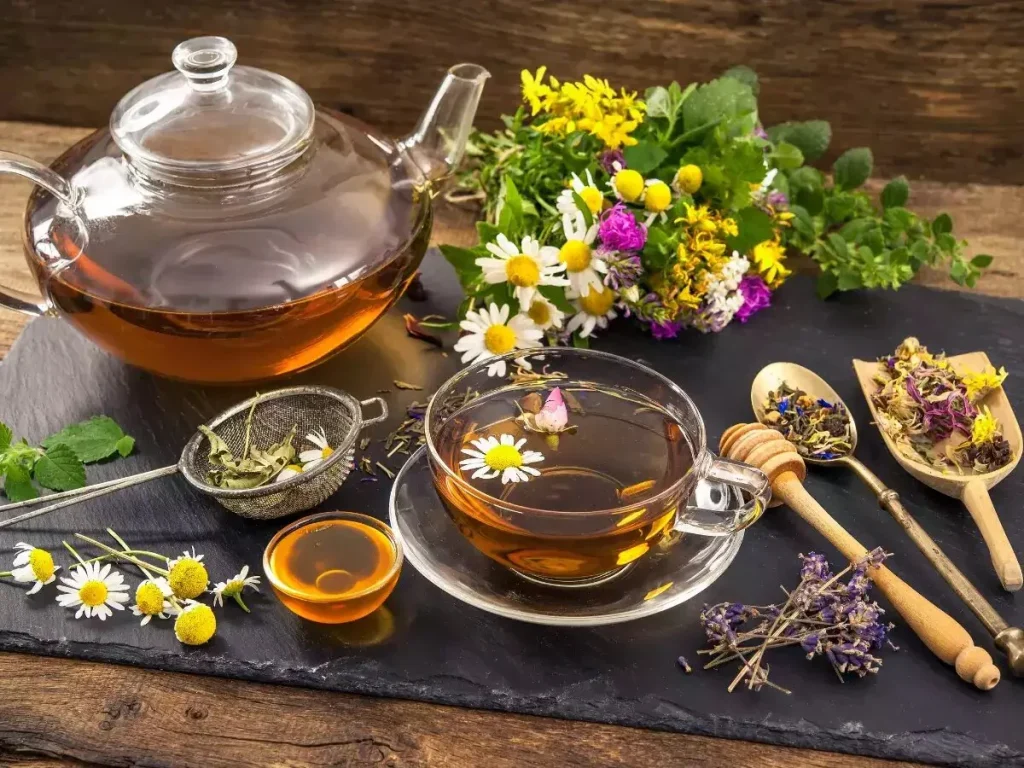
Green tea may have a modest effect on body weight because of its catechins and caffeine, but it should not be considered a standalone weight-loss treatment. NCCIH states that the effects may vary according to the product and an individual’s physical activity.
At the same time, NCCIH states that green tea supplements marketed for weight loss have not been shown to produce meaningful weight loss. This distinction matters: evidence about brewed green tea or its catechins should not be used to make strong claims about concentrated weight-loss supplements.
Herbal tea can still be useful as a lower-calorie beverage when it replaces sugary drinks, but the specific effect depends on the ingredients and what is added to the drink.
Yes. Most people can include both in the same day if they tolerate them well.
For example, you might choose green tea earlier in the day when you want a caffeinated beverage and a caffeine-free herbal tea later. If you have low iron, avoid making tea a regular part of your meals because certain polyphenols can reduce non-heme iron absorption. Drinking tea between meals may be more appropriate, and people with diagnosed iron deficiency should follow their healthcare professional’s advice.
There is no single best time for everyone.
Green tea may be more comfortable earlier in the day because it contains caffeine. If it causes stomach discomfort, having it with a small snack may help. However, people with low iron should avoid drinking tea with iron-rich meals because tea polyphenols can reduce non-heme iron absorption. Drinking it between meals is a better approach for them.
If caffeine affects your sleep, avoid green tea close to bedtime.
Yes. Green tea naturally contains caffeine because it is made from Camellia sinensis. The actual amount varies according to the type of tea, serving size and preparation.
For most healthy adults, the FDA cites 400 mg of caffeine per day as an amount not generally associated with negative effects, although individual sensitivity and health conditions can change what is appropriate.
If you are pregnant, breastfeeding, sensitive to caffeine or taking medication, discuss your caffeine intake with a healthcare professional.
As a general brewing guide, use water around 75–85°C and steep green tea for about 2–3 minutes. Avoiding freshly boiling water and over-steeping can help reduce bitterness.
For product-specific instructions, always follow the preparation directions on the package. Brewing temperature and steeping time can change the flavour and strength of the final cup.
For most adults, brewed green tea is generally considered safe as a beverage. However, caffeine can cause problems for people who are sensitive to it, particularly when consumed in larger amounts.
Green tea extracts are different from brewed green tea. Concentrated extracts have been associated with side effects, and rare cases of liver injury have been reported, particularly with extract products in tablets or capsules. Green tea can also interact with certain medicines, including some documented interactions involving nadolol and atorvastatin.
Herbal teas also require ingredient-specific caution. For example, peppermint may worsen reflux symptoms in some people, while certain herbs can interact with medicines.
Talk to a healthcare professional before regularly consuming concentrated herbal preparations or green tea extracts if you:
A beverage and a concentrated supplement should not be treated as the same thing.
The choice between green tea and herbal tea depends on your needs:
The important point is not that one tea is universally healthier. The ingredients, preparation, serving size, caffeine content and your individual needs all matter.
Sneh All In One offers several tea blends with different ingredient profiles. The distinction between herbal and green tea is particularly important when choosing among these products.
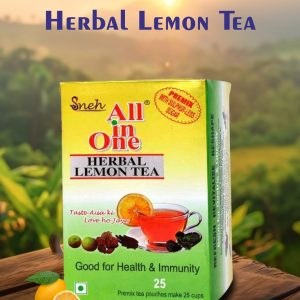
Herbal Lemon Tea contains herbs including tulsi, amla, black pepper and ginger, with lemon contributing a tangy flavour. The product page does not list Camellia sinensis among these ingredients, so it is positioned as an herbal blend rather than a green tea.
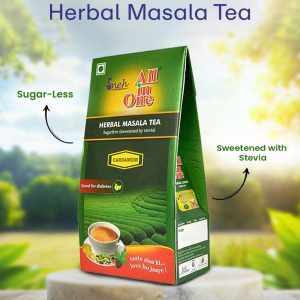
Herbal Masala Tea contains ingredients such as cardamom, cinnamon, black pepper and ginger. The product page says it can be used with black tea or milk tea, so the caffeine content depends on the tea base used with the blend.
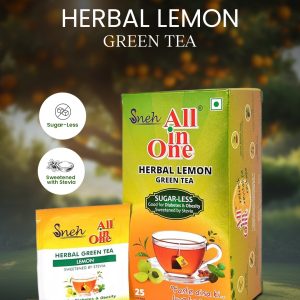
Herbal Lemon Green Tea (Sugarless Sweetened with Stevia) is a green-tea-based blend with herbs and spices. Because it contains green tea, it should not be treated as a naturally caffeine-free herbal tea.
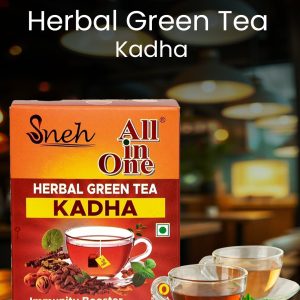
Herbal Green Tea Kadha contains green tea along with a blend of herbs and spices. Since the product page specifically states that it contains pure green tea, it should also be considered a caffeinated green-tea blend.
Herbal tea products are often described using terms such as “immunity,” “detox” and “anti-inflammatory.” These terms should be interpreted carefully.
Different herbs contain different plant compounds, and research findings vary by ingredient, preparation and dose. For example, NCCIH notes that research on hibiscus and blood pressure is limited, even though some studies suggest a small reduction.
“Detox” should not be understood as a proven process that flushes harmful toxins from the body. The liver and kidneys already perform major roles in processing and eliminating substances from the body. A tea can be part of a healthy beverage routine without being described as a medical detox treatment.
Research on green tea is mixed, so it is best described in specific, modest terms rather than using broad disease-prevention or treatment claims.
Neither is universally healthier. Green tea provides caffeine and catechins, while many herbal teas provide caffeine-free options. The better choice depends on your ingredients, preferences and health needs.
Green tea may have a modest effect on body weight, but it should not be relied on for meaningful weight loss. Green tea supplements have not been shown to produce meaningful weight loss.
Yes, you can generally drink both on the same day if you tolerate them well. Consider green tea earlier in the day and a caffeine-free herbal tea later if caffeine affects your sleep.
No. A pure herbal infusion made without Camellia sinensis is generally caffeine-free, but some products marketed as herbal blends may contain green tea, black tea, matcha or another caffeinated tea. Always check the ingredient list.
A caffeine-free herbal tea may fit well into an evening routine. However, check the ingredients because not every tea marketed as herbal is caffeine-free.
There is no single number that suits everyone because caffeine tolerance varies. Consider your total daily caffeine intake, serving size and individual sensitivity. The FDA cites 400 mg of caffeine per day as an amount not generally associated with negative effects for most adults.
Moderate green tea consumption contributes fluid along with its caffeine. However, caffeine-sensitive people may notice increased urination, particularly with larger amounts. Staying adequately hydrated throughout the day is more important than avoiding tea solely because it contains caffeine.
Yes. Certain polyphenols can reduce the absorption of non-heme iron. If you have iron deficiency or are at risk of it, drinking tea between meals rather than with iron-rich meals may be preferable. Discuss your individual diet with a healthcare professional if needed.
Matcha is a powdered form of green tea made from Camellia sinensis. Unlike a typical brewed green tea, the powdered leaf itself is consumed after whisking it with water or another liquid. Matcha also contains caffeine and catechins.
Brewed green tea is generally well tolerated by adults, but caffeine can cause unwanted effects in sensitive individuals. Green tea extracts have additional safety concerns, including rare reports of liver injury and documented interactions with some medicines.
The answer to herbal tea vs green tea depends on what you want from your daily beverage.
Green tea provides naturally occurring catechins and caffeine and has been studied for alertness, cardiovascular risk factors and body weight. Herbal tea offers a wider range of plant-based ingredients and many naturally caffeine-free options.
Neither should be treated as a cure or a replacement for medical care. Choose according to the ingredients, caffeine level, preparation and your personal needs, and check with a healthcare professional if you are pregnant, taking medication or managing a health condition.
This article is for general educational and wellness information only. Herbal teas and green tea are beverages and should not be considered substitutes for medical diagnosis or treatment. If you are pregnant, breastfeeding, taking medication, have a medical condition or are considering concentrated herbal or green tea supplements, consult a qualified healthcare professional.

Written by: Sneh All In One Editorial Team Herbal Green Tea Kadha is a ready-to-brew tea bag blend made with green tea extract and traditional

Sitting at a desk for long hours can contribute to digestive discomfort, including bloating, gas, constipation and acidity. Irregular meals, rushed eating, low fluid intake

To beat the 3 PM slump without another cup of coffee, drink water, take a 5–15-minute walking break, choose a balanced snack, and consider a