How to Choose the Right Herbal Kadha Tea
Author: SNEH All In One Team A good herbal kadha tea has clearly listed ingredients, suitable caffeine levels, simple brewing instructions and reliable packaging and

Author: Anu Sharma, Herbal Tea Specialists with 21+ Years of Experience
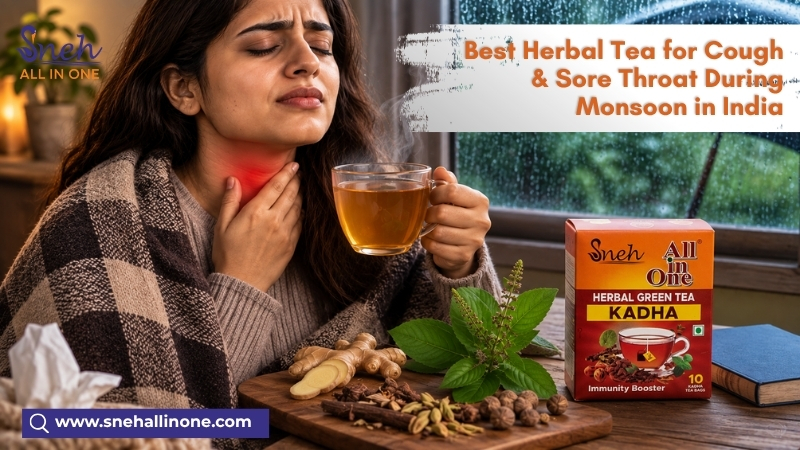
If you are looking for the best herbal tea for cough and sore throat during monsoon in India, tulsi, ginger, mulethi, and turmeric-based herbal teas are popular choices for warmth and throat comfort. A warm herbal infusion can support hydration and temporarily soothe an irritated throat, but it should not replace medical treatment when symptoms are severe or persistent.
The best herbal tea for cough and sore throat depends on the type of discomfort you are experiencing. For a typical monsoon cough with throat irritation, a warm tulsi and ginger blend is a practical choice. Mulethi may be preferred for a dry or scratchy throat, while turmeric and ginger can provide a warming herbal drink.
For many people, tulsi ginger tea for cough and cold is one of the simplest options because it combines the warming character of ginger with the traditional use of tulsi.
Herbal tea can provide warmth, fluids, and temporary comfort. However, it is a supportive beverage rather than a treatment for viral or bacterial infections.
The monsoon brings cooler temperatures, high humidity, sudden weather changes, and increased exposure to seasonal respiratory infections. Cough, runny nose, congestion, and sore throat can occur with common viral illnesses, while allergies and environmental irritants can also contribute.
A sore throat is not always caused by an infection. Viruses are the most common cause, but allergies, smoke exposure, and other conditions can also trigger throat irritation. CDC
This is where a herbal tea for cough and cold can become useful as part of a comfort routine.
The warmth can feel soothing, while adequate fluid intake helps prevent dehydration. Warm drinks containing honey may also help soothe cough and throat discomfort in suitable individuals, although evidence for these remedies remains limited. NHS
There is no single tea that works best for everyone. Your choice should depend on the type of discomfort you are experiencing.
Herbal Tea | Best For | Why Choose It |
Tulsi Ginger Tea | Cough, throat irritation, seasonal cold | Warming and comforting |
Ginger Tea | Dry or irritated throat | Strong, warming flavour |
Tulsi Tea | Mild throat discomfort | Light and soothing |
Mulethi Tea | Scratchy or dry throat | Traditionally used for throat comfort |
Turmeric Ginger Tea | General monsoon wellness | Warming herbal combination |
If you are looking for a simple tea for sore throat, tulsi and ginger make a practical combination.
Ginger has a long history of traditional use, and modern research has examined it for several health applications. However, evidence does not support treating every respiratory symptom with ginger, so it is better viewed as a supportive ingredient rather than a cure. NCCIH
Tulsi, commonly known as holy basil, is widely used in Indian traditional wellness practices.
A tulsi ginger tea for cough and cold can be especially comforting when monsoon weather leaves you wanting something warm and aromatic.
Simple preparation:
Add a few slices of fresh ginger and tulsi leaves to hot water. Simmer gently for several minutes, strain, and allow it to cool slightly before drinking.
You may add a small amount of honey if appropriate for you.
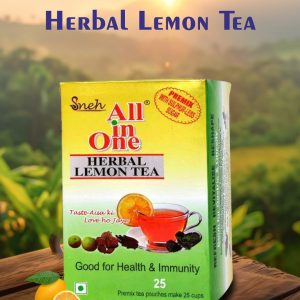
If you would rather skip the preparation, Sneh All In One Herbal Lemon Tea combines tulsi and ginger with lemon in a ready-made herbal blend.
Ginger tea is another traditional choice when your throat feels irritated.
Its naturally warming flavour makes it particularly appealing during rainy weather. Ginger has also been studied for various health uses, although much of the stronger human evidence relates to nausea and other conditions rather than cough treatment specifically. NCCIH
For this reason, I recommend thinking of ginger tea as a comforting beverage for cough and throat irritation, rather than calling it a medicine.
Best suited for:
If ginger gives you heartburn or stomach discomfort, reduce the amount or choose a milder infusion. Ginger can cause heartburn, abdominal discomfort, diarrhoea, or mouth and throat irritation in some individuals. NCCIH
Tulsi tea is a lighter option for people who do not enjoy the stronger taste of ginger.
Tulsi has a long history in Indian traditional wellness and is commonly included in seasonal herbal beverages.
For a mild herbal tea for sore throat, a warm tulsi infusion can be an easy addition to your monsoon routine.
Tip: Keep the preparation simple. Overloading the cup with multiple strong spices is not necessarily better.
Mulethi, or licorice root, is traditionally associated with respiratory and throat preparations. It may therefore appear in herbal blends designed for throat comfort.
However, mulethi deserves more caution than many people realise.
Evidence for licorice as a treatment for health conditions is limited. Some preliminary evidence concerns specific uses, but there is not enough high-quality evidence to clearly support licorice for general health conditions. NCCIH
Mulethi also contains glycyrrhizin, which can cause serious adverse effects when consumed in large amounts or over long periods. It may be particularly concerning for people with hypertension or heart or kidney conditions. NCCIH
So, if you choose a tea for sore throat containing mulethi, check the ingredient quantity and avoid excessive consumption.
Turmeric and ginger are popular ingredients in Indian kitchens and traditional wellness drinks.
A warm turmeric ginger infusion can be a pleasant option when you want a soothing drink during the rainy season. Its earthy flavour also pairs well with a small amount of honey.
But remember: turmeric tea should not be presented as a cure for an infection. The goal is comfort, hydration, and a pleasant addition to your daily routine.
Choosing the best herbal tea for cough and sore throat becomes easier when you first identify what is bothering you most.
Choose a mild warm infusion such as tulsi or ginger tea. A little honey may also make the drink more soothing.
A tulsi ginger tea for cough and cold can be a good traditional choice.
A blend containing mulethi may provide a soothing sensation, but use extra caution if you have high blood pressure or take regular medication.
Choose a herbal infusion rather than conventional black or green tea.
Warm fluids can be comforting, but tea should not be considered a replacement for appropriate medical care. Hydration is an important part of managing respiratory symptoms. NHS
Preparation does not need to be complicated.
For one cup:
Avoid drinking extremely hot tea. The goal is warmth and comfort, not excessive heat.
For children under one year, honey should not be given because of the risk of infant botulism. The NHS also advises against giving hot drinks to small children because of the risk of burns. NHS
There is no medically established perfect time for a best tea for cough. Instead, choose a time when warm fluids feel comfortable.
You can have it:
One or two cups may be enough for comfort. There is no need to keep increasing your intake simply because a tea contains herbs.
Your overall fluid intake, rest, nutrition, and recovery matter more than repeatedly drinking herbal tea.
No.
This is an important distinction that is often missed in herbal tea content.
A herbal tea for cough and cold may provide warmth, hydration, and temporary throat comfort. However, it should not be promoted as a cure for viral infections, bacterial infections, influenza, or other respiratory diseases.
Most uncomplicated coughs improve with time, rest, and supportive care. The NHS states that a cough will usually clear on its own within three to four weeks and recommends rest and plenty of fluids as part of self-care. NHS
If symptoms are severe, persistent, or worsening, medical evaluation is more important than changing your tea.
Natural does not automatically mean suitable for everyone.
Be particularly careful if you:
Ginger can also cause heartburn or digestive discomfort in some individuals. NCCIH
Ginger can interact with certain medicines. If you take prescription medication or have an ongoing health condition, speak with your doctor or pharmacist before regularly using concentrated ginger products. NCCIH
Tea is appropriate for comfort, not for ignoring concerning symptoms. Seek medical advice if your cough or sore throat is accompanied by:
The NHS recommends medical assessment for a cough that lasts more than three weeks and urgent help when a cough becomes very severe or quickly worsens, or when there is chest pain, difficulty breathing, or coughing up blood. NHS
If I had to choose one simple option for a typical monsoon day, I would start with tulsi ginger tea for cough and cold.
It is familiar, easy to prepare, naturally aromatic, and fits comfortably into an Indian monsoon routine.
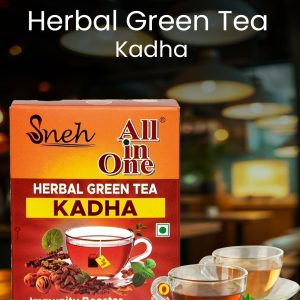
For those who prefer a ready-made multi-herb blend, Sneh All In One Herbal Green Tea Kadha (Immunity Booster) is another option. It contains a 17-herb blend including tulsi, ginger, mulethi, turmeric, clove, cardamom, cinnamon, ashwagandha, giloy, and black pepper, along with green tea.
The key is to use herbal tea realistically: as supportive comfort, hydration, and part of a balanced wellness routine, not as a replacement for medical treatment.
For many people, a warm tulsi and ginger blend is a practical choice. The best option depends on whether your main concern is throat dryness, irritation, cough, or congestion.
Tulsi ginger tea is a popular traditional beverage for seasonal cough and cold discomfort. It can provide warmth and throat comfort, but it should not be considered a cure for an infection.
Warm herbal infusions containing ginger, tulsi, or carefully used mulethi may be soothing. Honey in a warm drink may also help with cough and throat discomfort for suitable individuals, although evidence for home remedies such as hot lemon and honey is limited. NHS
For most healthy adults, one or two cups can comfortably fit into a daily routine. The ideal amount depends on the ingredients and your overall health.
If your priority is throat comfort, a caffeine-free herbal infusion may be preferable to strongly brewed regular tea. However, the ingredients matter more than the word herbal on the label.
Children should not automatically be given the same herbal teas used by adults. Some herbs may not be suitable for young children, and concentrated herbal products can have different safety considerations.
For children under one year, never add honey to tea or other foods because of the risk of infant botulism. The NHS also advises that hot drinks should not be given to small children because of the risk of burns. NHS
For older children, parents should check the ingredients and serving size before offering an herbal drink. If a child has persistent cough, difficulty breathing, high fever, dehydration, or worsening symptoms, consult a pediatrician rather than relying on herbal tea alone.
The best herbal tea for cough and sore throat is not necessarily the strongest or most complicated blend.
A simple combination of tulsi, ginger, and other suitable herbs can provide a warm, comforting drink during India’s rainy season. Choose ingredients according to your symptoms, prepare the tea moderately, and pay attention to your body’s response.
Most importantly, do not let a comforting cup of tea delay medical attention when symptoms are severe or persistent.

Author: SNEH All In One Team A good herbal kadha tea has clearly listed ingredients, suitable caffeine levels, simple brewing instructions and reliable packaging and
Author: SNEH All In One Editorial TeamReviewed by: SNEH All In One Herbal Tea Specialists Our SNEH All In One green-tea-based Herbal Masala Tea is
Written by: Anu Sharma – Herbal Tea Specialist with 21+ Years of ExperienceBrand: SNEH All In One – Naturally Crafted Teas Brand Disclosure: This guide