What Makes a Good Herbal Tea Blend? A Guide to Ingredients and Quality
A good herbal tea blend combines quality botanicals, balanced proportions, freshness, a clean aroma, suitable packaging and transparent labelling. The number of herbs in the


The best green tea in India depends on tea quality, taste, ingredient purity, freshness, preparation style, and personal preference. A good green tea should have a clean taste, clearly listed ingredients, and naturally occurring tea compounds. For people looking for a herbal option, Sneh All In One offers a blend designed for convenient daily use.
Green tea comes from the leaves of Camellia sinensis. Unlike black tea, green tea undergoes minimal oxidation, which helps retain naturally occurring polyphenols, including catechins. However, green tea should be viewed as a beverage that can complement a healthy lifestyle rather than a treatment for disease.
When choosing the best green tea in India, look for good-quality leaves or ingredients, a pleasant and balanced taste, minimal unnecessary additives, appropriate packaging and freshness, and a product that suits your preferred preparation method. Green tea naturally contains catechins and caffeine, although the amount can vary between products and brewing methods.
There is no single green tea that is objectively best for everyone. The right choice depends on taste, tea format, ingredients, caffeine preference, budget, and intended use.
Here are the main factors to consider when comparing green teas.
Good green tea starts with quality raw materials. Pure green tea is made from Camellia sinensis leaves, while herbal green tea blends may combine tea leaves with herbs or other botanicals.
The ingredient list should be clear and easy to understand. If a product contains additional herbs, those ingredients should be clearly identified rather than hidden behind broad marketing claims.
A quality green tea should have a fresh aroma and a balanced flavour. Depending on the tea variety and preparation, green tea can have grassy, vegetal, floral, mildly sweet, or slightly astringent notes.
Over-steeping or using excessively hot water can make green tea taste harsh or bitter. Correct brewing is therefore just as important as the quality of the tea itself.
Green tea naturally contains polyphenols called catechins. These include epigallocatechin gallate (EGCG), epigallocatechin (EGC), epicatechin gallate (ECG), and epicatechin (EC).
A PubMed-indexed study published in Plant Foods for Human Nutrition in 2007, titled Chemical Composition of Green Tea (Camellia sinensis) Infusions Commercialized in Portugal, found considerable variation in catechin and caffeine levels among commercial green tea infusions. EGCG ranged from 117 to 442 mg/L, while caffeine ranged from 141 to 338 mg/L in the samples studied. The teas were sold in Portugal, but the findings illustrate how much green tea composition can vary between commercial products and infusions. (pubmed.ncbi.nlm.nih.gov)
Freshness affects both flavour and aroma. Green tea should be stored in packaging that helps protect it from moisture, heat, light, and air.
Check the manufacturing or packing date, expiry information, storage instructions, and packaging quality before buying. Proper storage after opening also helps maintain the tea’s sensory quality.
Green tea is available in several formats, including loose-leaf tea, tea bags, powdered teas such as matcha, and blends containing herbs.
The best format depends on convenience and personal preference rather than a universal ranking.
Green Tea Type | Best For | What to Consider |
Loose-leaf green tea | Tea enthusiasts | More control over quantity and brewing |
Green tea bags | Convenience | Easy to prepare and carry |
Matcha | People who prefer powdered tea | The powdered leaf is whisked directly into water |
Herbal green tea blend | People seeking a flavoured or botanical blend | Check the complete ingredient list and formulation |
A 2023 study titled Catechin Composition, Phenolic Content, and Antioxidant Properties of Commercially-Available Bagged, Gunpowder, and Matcha Green Teas found differences in catechin composition, phenolic content, and antioxidant properties across commercial green tea formats. These findings further show that the composition of green tea can vary depending on the product and format. (pubmed.ncbi.nlm.nih.gov)
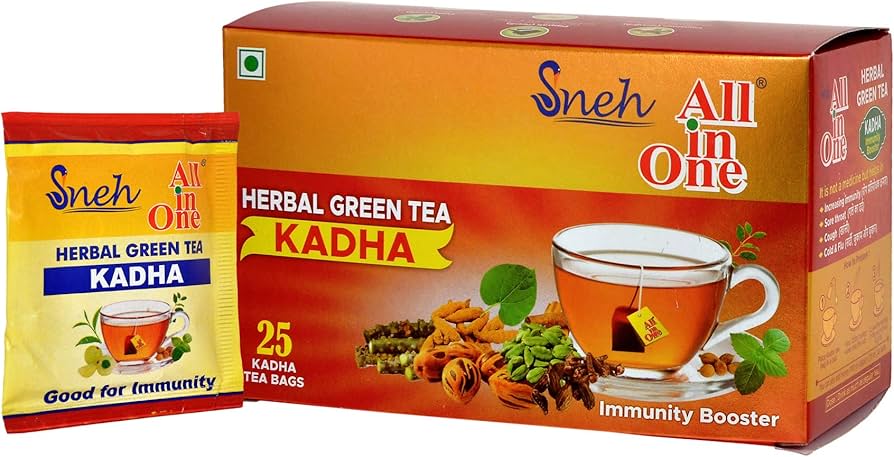
India has a wide range of green tea options, from everyday tea bags and loose-leaf teas to premium and herbal blends. The following are examples of different options consumers may come across when comparing green teas in India. They are included for comparison, not as a ranking.
Green Tea Option | Type | What It May Suit |
Sneh All In One Green Tea | Herbal green tea blend | People looking for a herbal-focused daily tea option |
VAHDAM Green Tea | Green tea and speciality tea options | People interested in loose-leaf and speciality tea varieties |
Tata Tea Green Tea | Mainstream green tea | People looking for an accessible everyday tea option |
Twinings Green Tea | Traditional and flavoured green teas | People who prefer established international tea varieties |
Sancha Tea | Premium and speciality teas | People looking for a broader speciality tea selection |
Girnar Green Tea | Mainstream and flavoured green teas | People looking for convenient tea bags and flavour options |
The best option depends on what matters most to you. Some consumers may prioritise accessibility and price, while others may prefer speciality leaves, flavour variety, or herbal formulations. For a more detailed brand-focused comparison, the available options can be evaluated based on ingredients, tea format, taste, sourcing, and personal preference.
Green tea has become a common choice for people looking for an alternative to sugary beverages and heavier tea preparations. Its quick preparation, distinctive taste, and naturally occurring tea compounds make it convenient for everyday consumption.
Some common reasons people choose green tea include:
Green tea is widely studied for its naturally occurring catechins and caffeine. However, the strength of evidence differs depending on the health outcome, the form of green tea used, and the amount consumed.
Also Read This Blog: https://snehallinone.com/benefits-of-herbal-green-tea/
Green tea contains polyphenols, particularly catechins, that contribute to its characteristic composition. Studies have found that catechin levels can vary substantially between green tea products and infusions, so the amount present in one cup cannot be assumed to be the same across all products. (pubmed.ncbi.nlm.nih.gov)
Green tea is often marketed for weight loss, but the evidence needs to be interpreted carefully.
NCCIH notes that catechins and caffeine may have a modest effect on body weight, while the overall effects can vary according to the product and individual factors. Green tea should not be considered a standalone weight-loss solution. A balanced diet and regular physical activity remain more important for long-term weight management.
Research has investigated green tea in relation to cardiovascular risk factors. NCCIH reports that some evidence suggests green tea may have a small effect on total and LDL cholesterol, although much of the research has evaluated extracts or supplements rather than ordinary brewed tea.
This means green tea can be part of a healthy dietary pattern, but it should not be considered a treatment for high cholesterol or cardiovascular disease.
Green tea naturally contains caffeine, although the amount varies between products and preparation methods.
Caffeine can contribute to alertness, which is one reason some people prefer green tea during the morning or earlier part of the day. People who are sensitive to caffeine may prefer to limit their intake later in the evening.
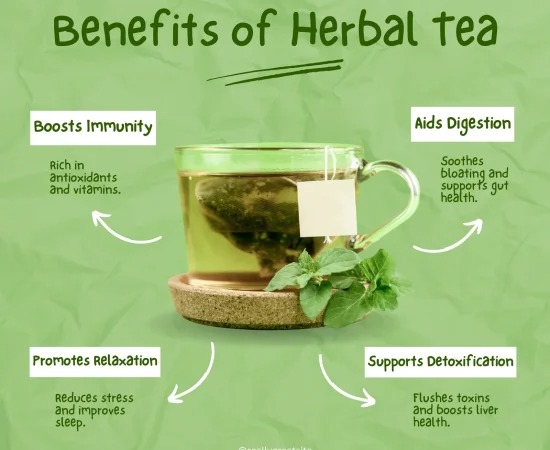
The terms green tea and herbal tea should not be used interchangeably.
Traditional green tea is made from Camellia sinensis. Herbal teas are made from other plants and do not necessarily contain tea leaves. Some products marketed as herbal green tea are blends that combine green tea leaves with herbs or botanicals.
Feature | Green Tea | Herbal Green Tea Blend |
Main base | Camellia sinensis | Green tea plus selected herbs, depending on formulation |
Caffeine | Naturally present | Depends on whether green tea leaves are included |
Taste | Often grassy, vegetal, or mildly astringent | Depends on the herbs and formulation |
Key compounds | Catechins, caffeine, and other tea compounds | Depends on the green tea and botanical ingredients |
Best suited to | People who prefer traditional green tea | People who prefer a blended herbal flavour |
Checking the ingredient list is the simplest way to understand what you are actually buying.
Before purchasing green tea, consider these five points:
Choosing the right time to drink chai can help you enjoy its benefits more effectively. Depending on your daily routine and health goals, this can be consumed at different times of the day.
By timing your chai intake wisely, you can make the most of its taste and health benefits throughout the day.
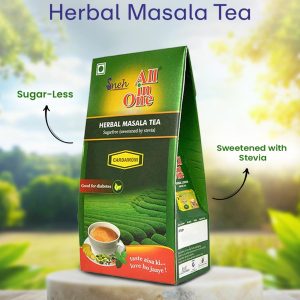
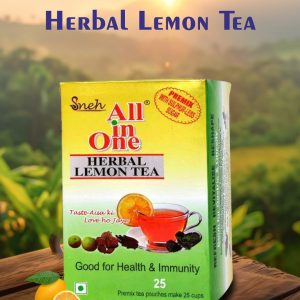
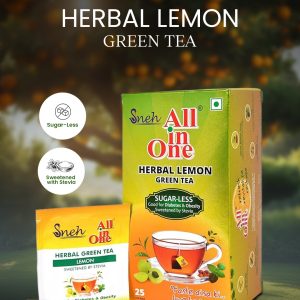
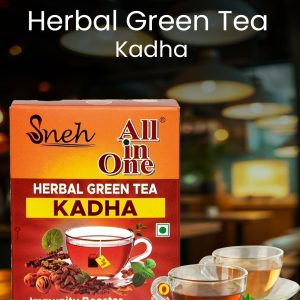
Sneh All In One Green Tea is designed for people who want a convenient herbal tea option that can fit into a daily wellness routine.
The product focuses on a balanced drinking experience rather than relying only on broad health claims. Its formulation is intended to provide a refreshing herbal tea experience while making preparation simple for everyday use.
For readers specifically looking for a herbal green tea, Sneh All In One provides an option that combines green tea with a herbal-focused formulation.
Correct brewing can make a noticeable difference to the taste of green tea.
If green tea tastes excessively bitter or astringent, try reducing the water temperature, shortening the steeping time, or adjusting the amount of tea used.
The goal is a clean, balanced cup rather than an excessively strong brew.
There is no universally established “best” time to drink green tea. The most suitable time depends on your routine, caffeine tolerance, and whether you prefer it with or between meals.
Green tea can be a convenient morning beverage for people who enjoy its flavour and mild caffeine content.
Some people prefer green tea between meals as a light beverage. If you experience stomach discomfort when drinking tea on an empty stomach, having it after food may be more comfortable.
Green tea can also be enjoyed during the early evening. However, people who are sensitive to caffeine may prefer to avoid it close to bedtime.
More green tea is not necessarily better. Since green tea contains caffeine, excessive consumption may not suit everyone. NCCIH notes that green tea consumed as a beverage appears generally safe for adults, while concentrated green tea extracts have different safety considerations.
For most adults, green tea consumed as a beverage is generally considered safe. However, it contains caffeine, so people who are sensitive to caffeine should take their intake into account.
Green tea supplements and concentrated extracts are different from ordinary brewed tea. Concentrated extracts have been associated with side effects and, rarely, liver injury, and green tea can interact with certain medicines.
If you are pregnant, breastfeeding, taking medication, or have a medical condition, speak with a healthcare professional about your caffeine intake and whether herbal or concentrated tea products are appropriate for you.
The best green tea depends on your preferred taste, format, ingredients, caffeine tolerance, and budget. Look for clear ingredient information, good freshness, and a product that suits your preferred way of drinking tea.
Green tea may have a modest effect on body weight because of its catechins and caffeine, but it should not be considered a weight-loss treatment. Research suggests that any effect is relatively small and should be considered alongside diet and physical activity.
Not necessarily. Green tea comes from Camellia sinensis, while herbal teas are made from other plants. Some herbal green tea products combine green tea leaves with herbs, so checking the ingredient list is important.
There is no single best time for everyone. Morning, between meals, or early evening can work depending on your routine and caffeine tolerance. If caffeine affects your sleep, avoid drinking green tea close to bedtime.
Use hot rather than boiling water, avoid over-steeping, and adjust the amount of tea according to taste. Excessive temperature or steeping time can make green tea more bitter or astringent.
Many adults can include brewed green tea in their daily routine. However, green tea contains caffeine, and individual tolerance varies. If you take medication or have a medical condition, check with a healthcare professional before using concentrated green tea or herbal supplements.
Choosing the best green tea in India is ultimately about finding the right balance between taste, ingredient quality, freshness, convenience, and personal preference.
Sneh All In One offers a herbal green tea option for people who prefer a convenient blend as part of their everyday routine. Rather than treating green tea as a cure-all, it is better to view it as one small part of an overall healthy lifestyle.
Choose a product with transparent ingredients, prepare it correctly, and enjoy it in a way that fits your routine.
The best green tea in India is not determined by marketing claims alone. Tea quality, ingredients, freshness, taste, format, caffeine content, and preparation all influence the overall experience.
Green tea naturally provides catechins and other tea compounds, while research suggests possible modest benefits in areas such as weight management and some cardiovascular risk factors. However, the evidence does not support presenting green tea as a treatment or guaranteed weight-loss solution.
For people who prefer a herbal blend, Sneh All In One provides a convenient option for adding green tea to a balanced daily routine.

A good herbal tea blend combines quality botanicals, balanced proportions, freshness, a clean aroma, suitable packaging and transparent labelling. The number of herbs in the
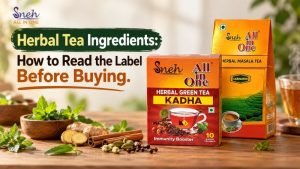
To understand herbal tea ingredients before buying, read the ingredient list instead of relying only on the product name or front-of-pack claims. Check the order

Yes, you can reuse tea bags, and for most everyday teas, two cups from one tea bag is a practical limit. The second cup will