How to Choose the Right Herbal Kadha Tea
Author: SNEH All In One Team A good herbal kadha tea has clearly listed ingredients, suitable caffeine levels, simple brewing instructions and reliable packaging and


Modern life in India has quietly changed the way we sleep. Late dinners, long screen time, work pressure, pollution, and mental stress have all become part of our daily routine. Over time, these habits disturb the body’s internal clock and reduce sleep quality. Many people feel tired at night but still struggle to fall asleep or wake up feeling refreshed.
One simple and natural way to improve sleep is by replacing evening caffeine with calming herbal teas. Unlike regular tea or coffee, these blends do not stimulate the nervous system. Instead, they gently support relaxation and help the body transition into restful sleep.
When consumed regularly, herbal teas can become part of a healthy bedtime ritual that improves sleep naturally and safely.
Caffeine affects the brain by blocking a chemical called adenosine. Adenosine builds up throughout the day and signals your body that it is time to rest. When caffeine blocks this signal, your brain remains alert even if your body feels tired.
This is why drinking regular tea or coffee in the evening can:
Studies have shown that caffeine can remain active in the body for several hours. In India, where evening chai is common, many people unknowingly disturb their natural sleep rhythm.
Switching to caffeine-free herbal teas in the evening allows your body to relax without interference.
Herbal teas are natural infusions made from dried flowers, herbs, roots, or leaves. They do not contain caffeine and are known for their calming and restorative properties. Many traditional Ayurvedic herbs used in these teas help regulate stress hormones, relax the nervous system, and support deeper sleep.
Unlike sleeping pills, herbal teas work gradually. They help the body restore balance over time instead of forcing immediate sedation.
When combined with a proper bedtime routine, these teas can significantly improve sleep quality.
Different herbal teas support sleep in different ways. Some calm mental stress, while others support physical relaxation. Below are the most effective options available in India.
Chamomile is one of the most popular herbal teas for sleep. It contains a compound called apigenin, which binds to calming receptors in the brain. This helps reduce anxiety and promote relaxation.
Chamomile works best for:
It is gentle and suitable for most people. Drinking chamomile tea 30–45 minutes before bed can help improve sleep quality over time.

Ashwagandha is a powerful Ayurvedic herb known for reducing stress. It helps regulate cortisol levels, which often rise due to work pressure and lifestyle stress.
Ashwagandha herbal teas may help:
It works gradually and should be used consistently for best results. Avoid use during pregnancy unless advised by a qualified practitioner.

Tulsi, also known as Holy Basil, has been used in Indian households for centuries. It supports stress management and overall well-being.
Tulsi herbal teas help calm the mind without making you overly sleepy. They are especially helpful during:
Tulsi is widely available and safe for regular consumption.

Brahmi is traditionally used to support cognitive balance. It is beneficial for people who experience racing thoughts at night.
By supporting neurotransmitter balance, Brahmi herbal teas may help calm the mind and improve sleep stability when used regularly.

Jatamansi has long been used in Ayurveda to support relaxation and emotional balance. It may enhance the brain’s calming pathways and promote deeper sleep.
Because it is slightly stronger than other herbs, long-term use should be guided by an Ayurvedic practitioner.

Lavender is well known for its soothing aroma. When consumed as tea, it supports relaxation and reduces tension.
Lavender herbal teas are ideal during periods of emotional stress and occasional sleep difficulty.
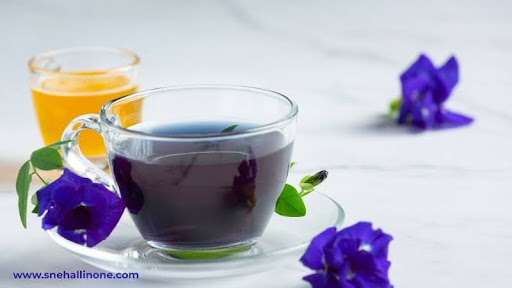
Lemon balm supports calming brain activity and may reduce nighttime restlessness. It is a mild and pleasant option for those who prefer lighter flavours.
Though less common in local stores, lemon balm herbal teas are available online in India.

Proper preparation enhances the benefits of herbal teas.
Follow these simple steps:
Avoid adding refined sugar. A small amount of honey may be used if needed.
Creating a peaceful atmosphere while drinking your tea — such as dim lighting and reduced screen exposure — further supports relaxation.
Timing is important for better results. The ideal time to drink herbal teas for sleep is between 8:30 p.m. and 9:30 p.m.
For best results:
Consistency is more important than occasional use.
When selecting herbal teas in India, quality matters. Organic herbal teas are grown without harmful pesticides and usually maintain better purity and flavour.
Look for:
Although organic options may cost slightly more, they offer better long-term health benefits.
Herbal teas are widely available across India.
You can purchase them through:
Online platforms such as Amazon.in and Flipkart
Brand websites
Organic wellness stores
Offline options include Ayurvedic pharmacies and health food shops.
Prices typically range from ₹200 to ₹600 depending on the brand and ingredients.
At Sneh All in One, we focus on sharing safe, research-backed herbal wellness information to help you make informed choices.
Herbal teas work best when combined with healthy lifestyle habits.
You may notice better results if you also:
Small daily habits often create lasting improvements.
Sleep is one of the most important pillars of health. Instead of depending on strong medications, supporting the body naturally can provide long-term benefits.
Replacing evening caffeine with calming herbal teas is a simple yet powerful habit. Over time, this small change can help restore balance, improve rest, and support overall well-being.
For more natural wellness insights, explore other helpful guides on Sneh All in One and continue building healthier routines for everyday life.
Written by Anu Sharma
Certified Nutritionist and Wellness Writer with over 10 years of experience in herbal nutrition, Ayurveda, and natural lifestyle practices. Anu specialises in evidence-based wellness solutions rooted in traditional Indian knowledge and modern research.
This article is for informational purposes only and does not constitute medical advice. Always consult a certified Ayurvedic practitioner or qualified physician before making changes to your diet, sleep routine, or herbal intake, especially if you are pregnant, nursing, taking medication, or managing a medical condition.

Author: SNEH All In One Team A good herbal kadha tea has clearly listed ingredients, suitable caffeine levels, simple brewing instructions and reliable packaging and

Author: SNEH All In One Editorial TeamReviewed by: SNEH All In One Herbal Tea Specialists Our SNEH All In One green-tea-based Herbal Masala Tea is

Written by: Anu Sharma – Herbal Tea Specialist with 21+ Years of ExperienceBrand: SNEH All In One – Naturally Crafted Teas Brand Disclosure: This guide