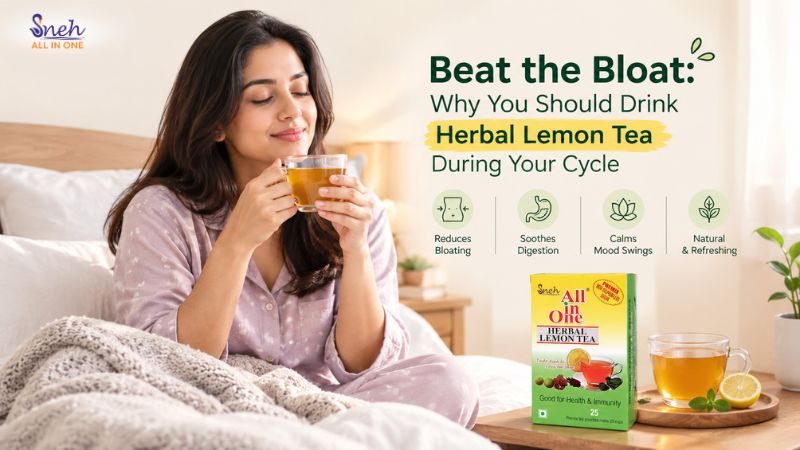
Beat the Bloat: Why You Should Drink Herbal Lemon Tea During Your Cycle
No herbal tea is proven to treat period bloating, but a warm drink may offer comfort and help you stay hydrated. Ginger and fennel have

No herbal tea is proven to treat period bloating, but a warm drink may offer comfort and help you stay hydrated. Ginger and fennel have been studied for menstrual discomfort, mainly cramps, rather than bloating itself. Start with water, gentle movement, smaller meals and fewer fizzy drinks or very salty foods if they worsen your symptoms.
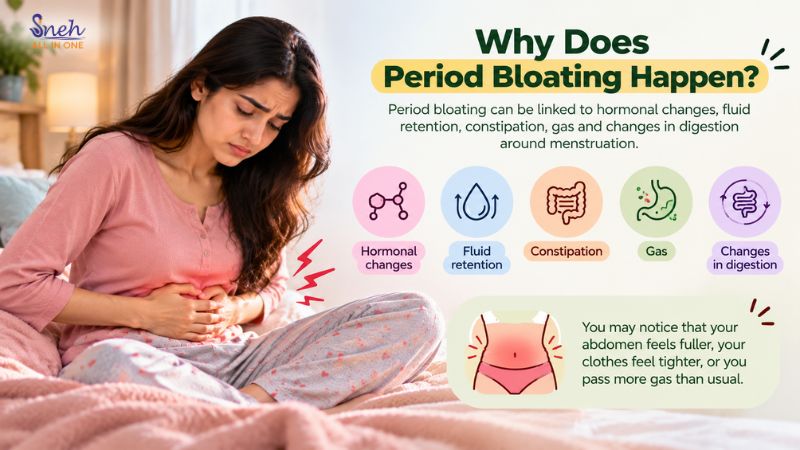
Period bloating can be linked to hormonal changes, fluid retention, constipation, gas and changes in digestion around menstruation. You may notice that your abdomen feels fuller, your clothes feel tighter, or you pass more gas than usual.
Prostaglandins, which help the uterus contract during menstruation, are associated with period cramps and can also affect the digestive system. However, bloating does not have one cause for everyone. Diet, hydration, bowel habits and underlying digestive conditions can also play a role.
A warm herbal drink may be soothing, but it cannot be relied on to correct hormonal changes or treat an underlying digestive problem.
Herbal tea may be a comforting addition to your routine, but its effects depend on the ingredients and your individual tolerance. Research on an ingredient does not automatically prove that a tea containing it will provide the same result.
Drink | What to know |
Ginger tea | Ginger has been studied for menstrual cramps. It may suit people who enjoy its warming flavour, but evidence for period bloating is limited. |
Fennel tea | Fennel has been investigated for menstrual discomfort, particularly cramps. Its effect on period-related bloating remains uncertain. |
Ajwain water | Ajwain is traditionally used in Indian households after meals. Clinical evidence that it treats period bloating is limited. |
Jeera water | Cumin water is a familiar home preparation. It can contribute to fluid intake, but it is not a proven remedy for menstrual bloating. |
Peppermint tea | Some people find peppermint soothing for digestive discomfort. It can worsen heartburn or acid reflux in some individuals. |
Chamomile tea | Naturally caffeine-free on its own. Evidence that it relieves period bloating is limited. |
Plain warm water | A simple way to stay hydrated without added sugar or herbal ingredients. |
For a simple home preparation, simmer a small amount of ajwain or cumin seeds in water, then strain and allow the drink to cool to a comfortable temperature. Avoid treating this as a proven remedy or taking concentrated preparations to manage symptoms.
If you experience acidity or reflux, spices may trigger discomfort. Stop drinking a preparation if it worsens your symptoms. People who are pregnant, breastfeeding, taking medication or managing a medical condition should check with a healthcare professional before using herbal preparations regularly.
Ginger and fennel may help some people with menstrual cramps, but neither has been proven to treat period bloating.
A 2024 systematic review and meta-analysis published in the Journal of Integrative and Complementary Medicine examined ginger for primary dysmenorrhea, the medical term for painful periods. The review found that ginger may reduce menstrual pain compared with a placebo. The authors also noted limitations in the available studies, including risk of bias and limited safety reporting.
A 2020 systematic review and meta-analysis published in Nutrients examined fennel for primary dysmenorrhea. The review found potential benefits for menstrual pain compared with a placebo, but the pooled results showed very high variation between studies (I² = 98%). The authors also noted limitations in the available evidence, including concerns about study quality and possible publication bias. These findings should be interpreted cautiously.
Both reviews focus on menstrual pain, not period bloating. They also do not establish that every ginger or fennel tea provides the same effects as the preparations studied.
For practical bloating management, NHS guidance on bloating recommends measures such as drinking enough water, exercising regularly, eating smaller meals and limiting fizzy drinks when they trigger symptoms.
Research takeaway: Ginger and fennel have some evidence for menstrual cramps, but the evidence does not establish that herbal tea treats period bloating.
Start with plain water, and limit fizzy drinks, very salty foods and alcohol if they make bloating worse. Choose a warm drink you tolerate well rather than relying on a particular tea to treat symptoms.
Consider these simple choices:
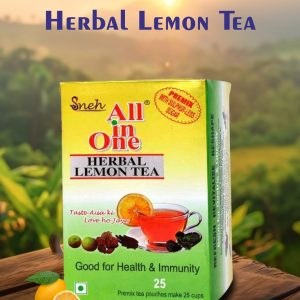
SNEH Herbal Lemon Tea is sweetened, so check its nutrition information if you are limiting sugar. Packaged herbal teas can also contain tea extracts, salt or several different herbs. Read the label instead of assuming that every product described as herbal is sugar-free or caffeine-free.
Use herbal tea as a beverage that complements your routine, not as a replacement for water, balanced meals or medical care.
If you choose a tea, start with a preparation that agrees with your stomach and follow the product’s label directions. You can enjoy a warm drink before or during your period if it suits you, but there is no established timing that proves starting herbal tea a day or two before menstruation prevents bloating.
Avoid making tea unusually concentrated or consuming large amounts in an attempt to relieve symptoms.
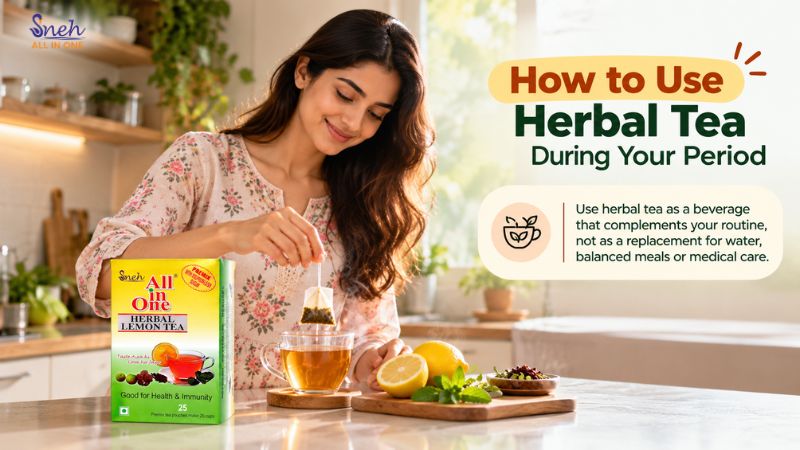
SNEH All In One Herbal Lemon Tea is a premix containing ingredients such as ginger, tulsi, amla, spices, lemon extract and tea extract (Camellia sinensis). It offers a tangy, spiced flavour in a convenient sachet, but it has not been established as a treatment for period bloating.
The product listing states that a 10 g serving provides 29.08 kcal and 4.60 g of sugar. It is therefore not sugar-free. The ingredient list includes tea extract (Camellia sinensis), so the product may contain caffeine. Check the current label or ask the manufacturer for confirmed caffeine information if you need to avoid it.
Follow the preparation directions on the pack. For the premix, empty the sachet into a cup, add hot water and stir well. Do not boil the premix directly over a flame or mix it with milk if the product directions advise against doing so.
You can view SNEH All In One Herbal Lemon Tea to check the product details and current label information.
Related reading: Can Herbal Lemon Tea Help With Hormonal Balance?
Alongside choosing suitable drinks, small changes to your daily routine may help reduce discomfort.
These measures may help with everyday discomfort, but persistent symptoms should not be managed through home remedies alone.
Myth | Reality |
Herbal tea can cure period bloating. | No herbal tea is proven to treat period bloating. A warm drink may offer comfort. |
Ginger tea has been proven to reduce period bloating. | Ginger has been studied mainly for menstrual cramps, not bloating. |
All herbal teas are caffeine-free. | Some products contain tea extracts or other caffeinated ingredients. Check the label. |
Natural drinks are always sugar-free. | Packaged herbal drinks may contain added sugar. Check the nutrition information. |
Speak with a healthcare professional if bloating is frequent, persistent, severe or different from your usual period symptoms. Seek advice if it continues despite changes to your diet or routine.
Arrange medical assessment if bloating occurs with unexplained weight loss, blood in your stool, unusually heavy periods or severe or worsening pelvic pain. Seek urgent medical help if you develop sudden severe abdominal pain, repeated vomiting, a swollen abdomen with an inability to pass stool or gas, or other severe symptoms.
Do not assume that ongoing or severe bloating is simply part of your menstrual cycle. A clinician can help identify whether constipation, a digestive condition, endometriosis or another health issue may be contributing.
There is no single herbal tea proven to be best for period bloating. Plain water is a practical first choice, while ginger or fennel tea may be options for people who tolerate them. Research on these ingredients mainly concerns menstrual cramps rather than bloating.
Ginger has been studied for menstrual pain, and some research suggests it may reduce cramps. Evidence that ginger tea specifically relieves period bloating is limited. Stop using it if it causes heartburn or digestive discomfort.
Fennel has been studied for menstrual discomfort, particularly cramps. It may be a warm drink you enjoy, but its ability to relieve period bloating has not been established.
You may be able to enjoy herbal lemon tea during your period if its ingredients suit you. Check the label for sugar, tea extract and other ingredients, especially if you have dietary restrictions, take medication or need to avoid caffeine. Do not rely on it to treat bloating or menstrual problems.
Consider reducing fizzy drinks, large meals and foods or drinks that you know trigger gas or discomfort. Some people also find that very salty foods worsen their feeling of puffiness. Triggers vary, so observe your own symptoms rather than following an unnecessarily restrictive diet.
Seek medical advice if bloating is persistent, severe, worsening or accompanied by unexplained weight loss, blood in your stool or significant pelvic pain. Sudden severe abdominal pain or an inability to pass stool or gas with abdominal swelling requires urgent assessment.
Herbal lemon tea can be an enjoyable warm drink during your cycle, but it is not a proven way to relieve period bloating. Ginger and fennel have some evidence for menstrual cramps, not definitive evidence for bloating.
Start with hydration, gentle movement, smaller meals and attention to your personal food triggers. Choose herbal products by checking their ingredients and nutrition labels, and seek medical advice if bloating is persistent, severe or unusual.
This article is for general information and is not a substitute for personalised medical advice, diagnosis or treatment.

No herbal tea is proven to treat period bloating, but a warm drink may offer comfort and help you stay hydrated. Ginger and fennel have
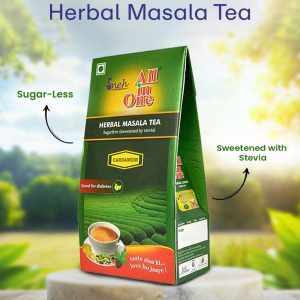
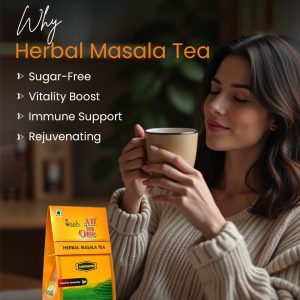
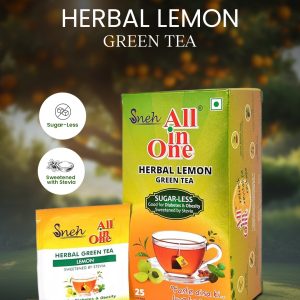
The SNEH All In One herbal tea range includes five products: Herbal Masala Tea, Sugarless Herbal Masala Tea, Herbal Lemon Tea, Sugarless Herbal Lemon Green
Written by: Sneh All In One Editorial TeamBrand: SNEH All In One – Naturally Crafted Teas Choose SNEH Herbal Masala Tea (₹150) for classic masala