Can You Drink Herbal Tea During Intermittent Fasting? A Complete Guide to Zero-Calorie Sips
Written by: SNEH All In One Editorial Team Yes, you can drink plain, unsweetened herbal tea during intermittent fasting. A simple brewed herbal tea contains


Written by: SNEH All In One Editorial Team
Yes, you can drink plain, unsweetened herbal tea during intermittent fasting. A simple brewed herbal tea contains very few calories. For example, a 237 ml cup of brewed chamomile tea contains approximately 2 calories, according to USDA FoodData Central. This makes it a suitable low-calorie beverage during a conventional fasting window.
However, packaged tea blends containing sugar, honey, milk powder or other calorie-containing ingredients can break your fast. The important thing is to check what goes into your cup. Ginger, tulsi, peppermint and chamomile tea differ from sweetened instant premixes and green tea blends containing additional ingredients.
This guide explains which teas you can drink, which ingredients to avoid, how different fasting schedules affect your choices and what to check before selecting a packaged tea.
The drinks permitted during a fast depend on the rules of your chosen fasting routine. A water-only fast permits only water, whereas many conventional calorie-based fasting approaches allow other clear, zero-calorie beverages.
According to Mass General Brigham’s intermittent fasting guidance, water, black coffee, black or herbal tea and sparkling water can be options during fasting, provided they contain no calorie-adding ingredients.
There is one important distinction: tea is not allowed during a water-only fast. For other fasting approaches, plain tea can be an option as long as it follows the rules of your chosen routine.
Plain herbal teas made with water are suitable options when they contain negligible calories and no caloric additions. Some popular choices include ginger, tulsi, peppermint, chamomile and cinnamon.
Tea | Fasting suitability | Important consideration |
Peppermint tea | Yes | May aggravate acid reflux in sensitive individuals |
Ginger tea | Yes | May cause heartburn or abdominal discomfort |
Tulsi tea | Yes | Check concentrated preparations and medication precautions |
Chamomile tea | Yes | Avoid if allergic to chamomile or related plants |
Cinnamon tea | Yes | Use moderate quantities |
Hibiscus tea | Yes | Consider potential blood-pressure effects |
Rooibos tea | Yes | Naturally caffeine-free |
Green tea | Yes | Contains caffeine |
These recommendations apply to simple, unsweetened preparations, not necessarily packaged premixes.
Not every beverage marketed as herbal tea is caffeine-free. Traditional green and black teas come from the Camellia sinensis plant, whereas herbal infusions, also called tisanes, use other plant materials such as flowers, leaves, roots and spices.
According to Mayo Clinic’s caffeine guide, an 8-ounce (237 ml) cup of brewed green tea contains approximately 29 mg of caffeine, compared with 48 mg in brewed black tea.
Plain peppermint, chamomile and rooibos preparations are naturally caffeine-free. A blend containing green tea or tea extract, however, may contain caffeine.
The easiest way to keep a beverage compatible with a calorie-free fasting window is to avoid ingredients that add meaningful calories.
Item | Suitable during a calorie-based fast? | Note |
Plain water | Yes | Contains no calories |
Unsweetened herbal tea | Yes | Usually contains negligible calories |
Plain green tea | Yes | Contains caffeine |
Lemon juice | Depends | One tablespoon contains approximately 3 calories |
Sugar | No | Adds calories and carbohydrates |
Honey | No | Contains natural sugars and calories |
Milk or cream | No | Adds calories, fat and/or protein |
Fruit juice | No | Contains natural sugars and calories |
Stevia-sweetened tea | Depends | Usually contributes negligible calories, but fasting rules differ |
Sweetened instant tea premix | No | If it contains calories, it is not suitable for a zero-calorie fast |
Usually not on a calorie-based fast, but it depends on your protocol. Stevia is a non-nutritive sweetener that provides sweetness with little or no energy in typical quantities.
Research on its effects on insulin and other metabolic responses is mixed, and there is limited direct evidence about its use during intermittent fasting. Some calorie-based fasting approaches permit non-caloric sweeteners, while stricter approaches avoid sweet-tasting beverages altogether.
If you want to follow a straightforward fasting routine, plain, unsweetened tea is the simplest choice.
Breaking a fast usually means consuming food or a beverage that falls outside the permitted intake of your chosen fasting protocol.
For a calorie-based fasting routine, consuming meaningful calories ends the calorie-free period. Sugar, milk and sweetened tea premixes therefore do not fit the fasting window.
Insulin is a hormone that helps regulate blood glucose. Food and drinks containing carbohydrates or other nutrients can influence insulin levels, but the response depends on the ingredients and quantity consumed. A sweet taste alone does not establish that a beverage has caused a particular insulin response.
Autophagy is a natural cellular process through which the body breaks down and recycles damaged or unnecessary cell components. Fasting is being studied for its possible effects on this process, but human evidence remains limited.
A 2026 review by Singh and Sargeant in Biochemical Society Transactions explains that human studies have not yet established how different fasting approaches affect autophagy in specific tissues. Therefore, plain tea is not a proven way to boost autophagy. Read the 2026 research review.
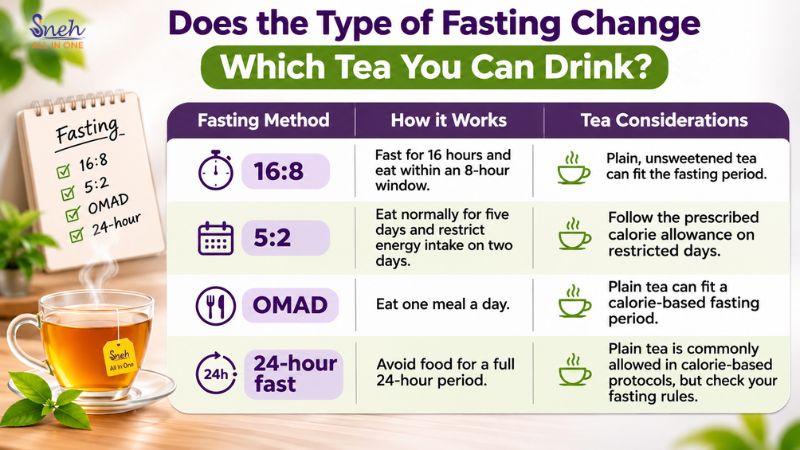
Yes. Different fasting schedules have different rules, and the permitted beverages depend on the approach you follow.
Fasting method | How it works | Tea considerations |
16:8 | Fast for 16 hours and eat within an 8-hour window | Plain, unsweetened tea can fit the fasting period |
5:2 | Eat normally for five days and restrict energy intake on two days | Follow the prescribed calorie allowance on restricted days |
OMAD | Eat one meal a day | Plain tea can fit a calorie-based fasting period |
24-hour fast | Avoid food for a full 24-hour period | Plain tea is commonly allowed in calorie-based protocols, but check your fasting rules |
The 5:2 approach differs from a complete calorie-free fast because restricted days allow a limited amount of energy intake.
According to Dietitians Australia, intermittent fasting includes different approaches, such as time-restricted eating, 5:2 and full-day fasting.
Longer fasting periods can carry additional risks. Speak with a healthcare professional before attempting prolonged fasting, particularly if you take medication or have an existing medical condition.
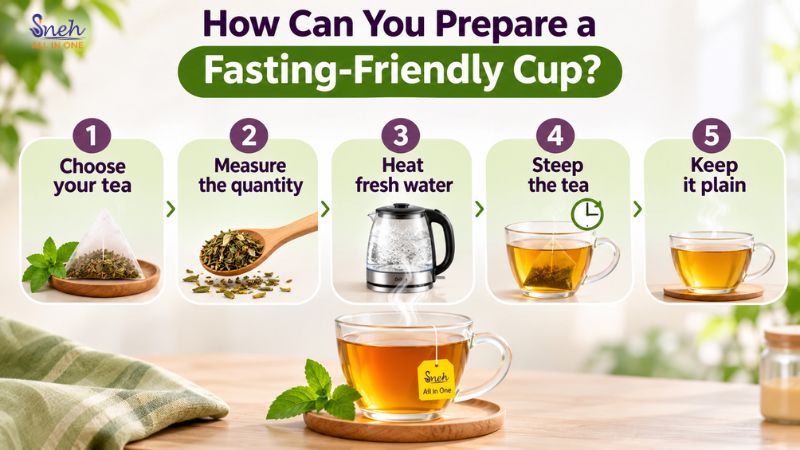
Preparing plain herbal tea is simple. You only need an appropriate tea, hot water and a cup.
You can enjoy your tea warm or allow it to cool. Always follow the specific preparation instructions for packaged blends.
Herbal Lemon Tea is not suitable because it contains sugar, and Sugarless Herbal Lemon Green Tea is not recommended for routine daily use because it contains senna. The other three depend on your protocol’s rules on caffeine and sweeteners.
SNEH product | Tea base and sweetener | Fasting verdict |
Green tea-based blend; no added sweetener | Depends: Contains caffeine; check your protocol’s caffeine rules and serving calories | |
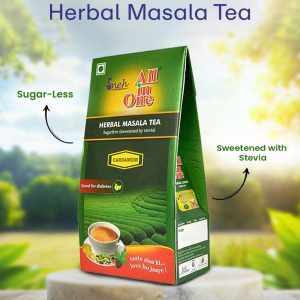
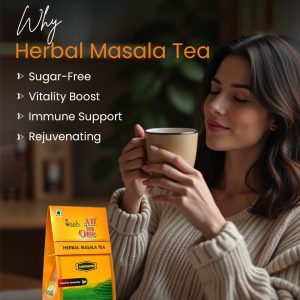
Green tea-based masala blend with stevia | Depends: Contains caffeine and stevia; suitability depends on your protocol’s sweetener rules | |
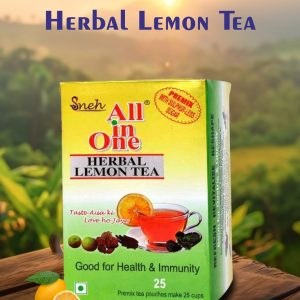
Instant premix containing sugar and tea extract | Not suitable: One 10 g sachet contains 29.08 kcal and 4.60 g sugar | |
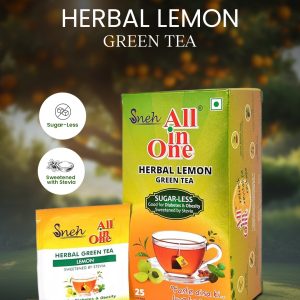
Green tea, stevia and additional herbal ingredients, including senna | Not recommended as a routine daily fasting tea: Contains caffeine and senna, a stimulant laxative | |
Green tea, herbs and spices, including liquorice | Depends: Contains caffeine and liquorice; consider the ingredients and your protocol’s rules |
Despite its name, Herbal Masala Tea has a green tea base, so it contains caffeine. The Sugarless Herbal Masala Tea and Sugarless Herbal Lemon Green Tea also contain green tea ingredients. Herbal Lemon Tea contains tea extract.
The 29.08 kcal and 4.60 g sugar figures for Herbal Lemon Tea refer to one 10 g dry sachet. When prepared with water as directed, the cup contains the energy and sugar from that sachet.
The Sugarless Herbal Lemon Green Tea contains senna, which is a stimulant laxative. MedlinePlus advises that senna is intended for short-term constipation treatment and should not be used for more than one week without medical advice. Frequent or continued use can cause laxative dependence. Follow the product’s labelled serving directions and do not use this blend as a daily fasting or weight-management aid without appropriate professional advice. Read MedlinePlus guidance on senna.
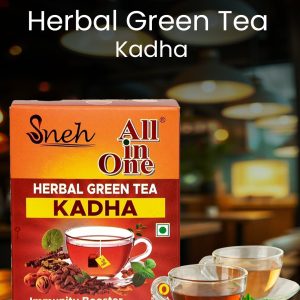
The Herbal Green Tea Kadha contains liquorice. Its glycyrrhizin content can affect blood pressure and potassium levels, particularly with excessive or prolonged intake. Follow the product’s serving directions and seek professional advice before regular use if you have a medical condition or take medication.
SNEH has not published per-serving calorie and caffeine values for all these blends. Check the current product pack before assuming that a blend is zero-calorie or suitable for your fasting routine.
Yes. Some herbal ingredients may cause discomfort or interact with medicines, particularly when consumed in concentrated preparations or large quantities.
Consider these precautions:
People taking blood thinners, diabetes medication or blood-pressure medication should check herbal ingredients with a healthcare professional. The NCCIH guide to herb and medicine interactions provides further information.
Yes. Unsweetened tea can be consumed in the morning during a conventional calorie-based fast. If you experience nausea, acidity or stomach discomfort, stop drinking it on an empty stomach and consider having it during your eating window.
It depends on how it is prepared. A little lemon juice in plain tea adds only a few calories, while sweetened premixes can add considerably more. SNEH Herbal Lemon Tea contains sugar, while Sugarless Herbal Lemon Green Tea contains stevia, green tea and senna. Neither should automatically be treated as a zero-calorie fasting drink.
Plain ginger tea prepared by steeping fresh ginger in water contains very few calories and can fit a conventional calorie-based fast. Honey, sugar or other calorie-containing additions change its suitability.
Plain cinnamon-infused water is a low-calorie option during fasting. Avoid adding honey or sugar if you want to maintain a calorie-free fasting window. Also avoid excessive or prolonged consumption of concentrated cassia cinnamon.
Yes. Plain tulsi tea and ajwain water contain very few calories when prepared without sweeteners or other calorie-containing ingredients. People taking diabetes medication or blood thinners should seek advice before regularly consuming concentrated tulsi preparations.
Herbal tea is not a proven appetite suppressant. A warm, flavoured drink may provide a temporary alternative to snacking, but research on plant-based appetite-suppressing compounds has produced mixed results. Tea should not replace adequate meals or hydration. Read the systematic review of appetite-suppressing plant compounds.
Traditional Indian masala chai usually contains milk and sugar, which add calories. It is therefore unsuitable during a calorie-free fasting window. A plain, unsweetened spice infusion prepared without milk can be an alternative.
Plain kadha made with herbs and spices steeped in water can fit a conventional calorie-based fast if it contains negligible calories and no caloric additions. SNEH Herbal Green Tea Kadha also contains green tea and liquorice, so consider its caffeine and ingredients before including it in your routine.
Plain, unsweetened tea is commonly allowed in calorie-based 24-hour fasting protocols, but check your specific fasting rules. A water-only fast permits only water. Seek professional guidance before attempting prolonged fasting.
Plain, unsweetened herbal tea can be a practical beverage choice during intermittent fasting. It adds flavour, contributes to fluid intake and offers an alternative to sweetened drinks without adding meaningful calories.
The important distinction is between a simple brewed tea and a packaged premix. Check the ingredients, sweeteners, calorie information and caffeine content before including a product in your fasting window.
If you are considering a SNEH All In One blend, use the product comparison above to identify which ingredients and sweeteners may conflict with your fasting routine. Herbal Lemon Tea contains sugar, Sugarless Herbal Lemon Green Tea contains senna, and the green tea-based blends contain caffeine.
This article is for general educational purposes and is not a substitute for personalised medical or nutritional advice. Intermittent fasting may not be suitable for everyone. Pregnant or breastfeeding individuals, adolescents, people with a history of eating disorders and those taking diabetes medication should seek professional advice before starting a fasting routine.

Written by: SNEH All In One Editorial Team Yes, you can drink plain, unsweetened herbal tea during intermittent fasting. A simple brewed herbal tea contains
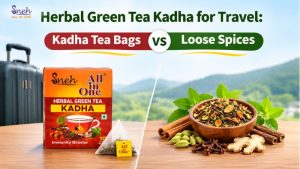
Written by: Sneh All In One Editorial Team Herbal Green Tea Kadha is a ready-to-brew tea bag blend made with green tea extract and traditional

Sitting at a desk for long hours can contribute to digestive discomfort, including bloating, gas, constipation and acidity. Irregular meals, rushed eating, low fluid intake