Can You Drink Herbal Tea During Intermittent Fasting? A Complete Guide to Zero-Calorie Sips
Written by: SNEH All In One Editorial Team Yes, you can drink plain, unsweetened herbal tea during intermittent fasting. A simple brewed herbal tea contains


Herbal tea can be a simple and enjoyable addition to a balanced daily routine. Depending on the ingredients, herbal infusions may provide naturally occurring polyphenols, flavonoids and other plant compounds. Some herbs are also traditionally used for digestive comfort, relaxation and general wellness.
Herbal tea may support everyday wellness by providing plant-based compounds and a flavorful alternative to sugary beverages. Its potential benefits depend on the herbs used, preparation and individual health needs. Herbal tea can complement healthy habits but should not replace medical treatment.
Herbal tea, also called an herbal infusion or tisane, is a beverage made by steeping plant ingredients such as leaves, flowers, roots, seeds, bark, fruits or spices in hot water.
Unlike green, black, white and oolong tea, herbal teas are generally made from plants other than Camellia sinensis. Many herbal infusions are naturally caffeine-free, although this depends on the ingredients used in a particular blend.
Common examples include ginger, peppermint, chamomile, hibiscus, tulsi and rooibos. Each botanical contains its own combination of naturally occurring compounds, so the potential benefits of one herbal infusion cannot automatically be applied to another.
Research has examined herbal teas and their ingredients for areas including digestive health, cardiovascular health, metabolic health and relaxation. A 2019 scoping review of clinical research on herbal teas found that more high-quality human studies are needed to establish many of their proposed health effects.
The potential benefits of an herbal infusion depend mainly on its ingredients and how it is consumed. Some uses are supported by traditional experience, while others have been investigated through laboratory or human research.
Many herbs contain naturally occurring phytochemicals such as polyphenols, flavonoids and phenolic compounds. Some of these compounds demonstrate antioxidant activity, which is one reason researchers continue to study herbal beverages.
Research into herbal beverages has identified a range of bioactive compounds that may contribute to their biological activity. However, antioxidant activity observed in laboratory research does not automatically mean that drinking a particular herbal tea prevents disease in humans.
For everyday use, herbal tea can simply add more plant-based variety to your beverage routine. Its value is best considered alongside an overall balanced diet rather than as a replacement for nutrient-rich foods.
Several herbs have traditionally been used after meals or during occasional digestive discomfort.
Ginger is one of the better-studied examples. It contains naturally occurring compounds such as gingerols and shogaols, and research has examined ginger for nausea and aspects of digestive function.
According to the National Center for Complementary and Integrative Health (NCCIH), ginger has been studied for several digestive-related uses. Much of the available research, however, involves ginger supplements or preparations rather than ginger tea itself.
Peppermint is another popular digestive herb. Its characteristic cooling sensation comes largely from menthol. Research on peppermint oil has examined gastrointestinal symptoms, but peppermint tea contains different concentrations and should not automatically be considered equivalent to peppermint oil.
A warm herbal infusion can therefore be a pleasant addition to a post-meal routine, particularly when it is consumed without excessive added sugar.
A warm cup of herbal tea can fit naturally into a relaxing morning, afternoon or evening routine.
Chamomile is particularly well known for this purpose. It contains naturally occurring compounds including apigenin, and researchers have investigated chamomile in relation to anxiety and sleep.
The NCCIH chamomile overview notes that research is still limited for several of these uses. This means chamomile tea is better viewed as a calming beverage and part of a relaxation routine rather than as a treatment for anxiety or insomnia.
The routine itself can also matter. Taking a short break, drinking a warm beverage slowly and reducing stimulating activities can create a simple transition toward relaxation.
Water remains the primary source of hydration, but unsweetened herbal tea can contribute to daily fluid intake.
For people who find plain water unappealing, a naturally aromatic herbal infusion can provide additional variety without requiring added sugar. Ginger, mint, lemon and spice-based blends can offer distinctive flavors while remaining light as beverages.
What you add to the cup matters. An unsweetened herbal tea is nutritionally different from one prepared with several teaspoons of sugar, syrup or another calorie-containing sweetener.
If reducing added sugar is one of your goals, an appropriately formulated sugar-free or unsweetened option can make your regular beverage routine easier to manage.
Some herbal beverages, including hibiscus infusions, have been investigated for potential cardiovascular effects.
Research into herbal beverages has identified various plant compounds with antioxidant and other biological activities. Results can differ according to the plant, preparation method, amount consumed and study design.
For that reason, herbal tea is best considered one beverage within a broader heart-healthy lifestyle. A balanced diet, regular physical activity, adequate sleep and appropriate medical care remain more important for cardiovascular health than relying on a particular tea.
One of the simplest advantages of herbal tea is the variety it brings to everyday beverage choices.
Different botanicals provide different flavors, aromas and plant compounds. Ginger provides a warm, spicy character, peppermint has a cooling flavor, chamomile is mild and floral, while hibiscus offers a naturally tart taste.
Rotating suitable herbal infusions can make a healthy beverage routine more enjoyable. It can also make it easier to replace sugar-sweetened drinks with lower-calorie alternatives.
When choosing a blend, look beyond the word “herbal.” Check the ingredient list to understand which plants are included and whether the product contains added sugar, caffeine or other ingredients.
Many people prefer caffeine-free herbal infusions later in the day.
Chamomile is commonly chosen for evening use, while other caffeine-free blends can also become part of a consistent bedtime routine. The warm beverage itself may provide a comforting transition between daytime activities and relaxation.
The NCCIH guidance on chamomile notes that information on its effects on insomnia is limited. Therefore, chamomile tea is best included as part of a calming evening routine rather than relied upon as a sleep remedy.
Healthy sleep habits such as maintaining a regular bedtime, reducing stimulating activities before sleep and keeping the bedroom comfortable remain important.
Yes, For most healthy adults, a suitable herbal tea can be included in a daily beverage routine, but the appropriate choice depends on the ingredients and individual health needs.
There is no universal rule that every herbal tea is suitable for daily consumption. Different plants have different properties, and some may interact with medicines or may not be appropriate for certain people.
For example, ginger is generally well tolerated in many studies, but some people may experience abdominal discomfort, heartburn or diarrhea. Ginger may also interact with certain medicines.
People who are pregnant or breastfeeding, take prescription medication, have a chronic health condition or plan to consume concentrated herbal products should speak with a qualified healthcare professional before making medicinal herbs a regular part of their routine.
For healthy adults, the focus should be on choosing appropriate ingredients, following preparation instructions and avoiding excessive consumption.
There is no single healthiest tea for everyone. The best everyday choice depends on your caffeine preference, ingredients, taste and individual health needs.
Some popular options include:
Green tea can also be a healthy beverage choice, but it is important to distinguish it from herbal tea. Green tea comes from Camellia sinensis and naturally contains caffeine and catechins. The NCCIH information on tea explains this distinction and summarizes current research on tea.
For daily consumption, choose a tea that suits your routine, check the ingredient list and consider limiting added sugar.
Choosing an herbal infusion does not have to be complicated. Start by checking what is actually inside the product.
Choose products that clearly identify the herbs, spices, flowers, fruits or roots used in the blend. A transparent ingredient list makes it easier to understand what you are consuming.
Many herbal infusions are naturally caffeine-free, but not every product marketed alongside herbal teas is. If caffeine matters to you, check whether the blend contains green tea, black tea or another caffeinated ingredient.
If you drink tea regularly, consider an unsweetened or appropriately sweetened option. Reducing added sugar can be useful when sweetened beverages are already a regular part of your diet.
If you are comparing sugar with stevia-based options, the type of sweetener and complete ingredient list matter more than simply seeing the word “stevia” on the front of the package.
A refreshing blend may work well during the day, while a mild caffeine-free infusion may be more suitable in the evening.
The best choice is one that you enjoy, tolerate well and can comfortably include in your everyday routine.
Choose products with clearly stated ingredients, appropriate preparation instructions and quality-focused manufacturing information.
A well-formulated herbal blend should make it easy for consumers to understand what they are buying rather than relying only on broad wellness claims.
Sneh All In One – Naturally Crafted Teas focuses on herbal tea blends made with carefully selected plant-based ingredients for people who enjoy incorporating traditional herbal beverages into their everyday routine.
The quality of a blend is not determined simply by the number of ingredients. Formulation quality, ingredient selection, taste, preparation and how the product fits into a person’s daily routine are all important.
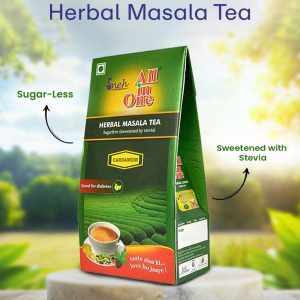
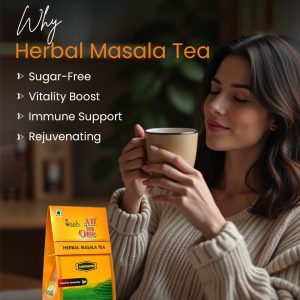
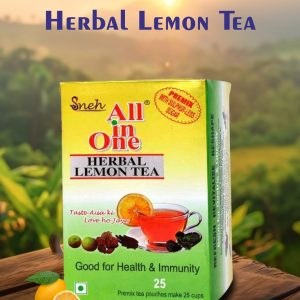
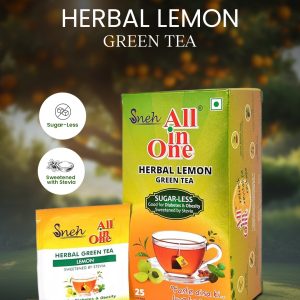
SNEH offers a range of herbal tea options, including Herbal Lemon Tea, Herbal Masala Tea, Herbal Lemon Green Tea and Herbal Green Tea Kadha.
For people looking for a flavorful everyday herbal beverage, SNEH blends provide convenient options for different taste preferences and routines.
Herbal tea can be a healthy beverage choice when included as part of a balanced diet. Different herbs contain different plant compounds, so potential benefits vary according to the ingredients and the evidence available for each herb.
Many healthy adults can include a suitable herbal tea in their daily beverage routine. Certain herbs may interact with medicines or may not be appropriate for people with particular health conditions. Pregnant or breastfeeding women and people taking medication should seek professional advice before regularly consuming medicinal herbal products.
Many herbal infusions are naturally caffeine-free because they are made from plants other than Camellia sinensis. Some blends contain green or black tea, however, so checking the ingredient list is important.
Ginger and peppermint are commonly used for digestive comfort, while fennel is traditionally used for occasional gas and bloating. Evidence differs between individual herbs and between teas and concentrated extracts, so the effects of an herbal beverage depend on its specific ingredients.
Chamomile tea is commonly enjoyed before bed because it is naturally caffeine-free and can be part of a calming evening routine. Current evidence for chamomile and insomnia remains limited, so chamomile tea should not be relied upon as a treatment for sleep disorders.
This article is provided for general educational purposes and is not a substitute for medical advice, diagnosis or treatment. Herbal ingredients can affect people differently and may interact with medicines or health conditions. If you are pregnant, breastfeeding, taking medication or managing a health condition, consult a qualified healthcare professional before regularly using medicinal herbs or concentrated herbal products.
This content is for educational purposes only and should not replace professional medical advice. Herbal teas can offer health benefits, but they are not a substitute for professional medical treatment or consultation. Always consult a qualified healthcare provider before using herbal remedies, especially if you are pregnant, nursing, taking medications, or have any underlying health conditions. Individual results may vary.
Herbal tea can be a simple and enjoyable addition to a balanced lifestyle. Depending on the ingredients, herbal infusions may provide naturally occurring plant compounds and offer a flavorful alternative to sugar-sweetened beverages.
Ginger, peppermint, chamomile, hibiscus, rooibos and other botanicals each have different traditional uses and areas of scientific research. The potential benefit therefore depends more on the specific formulation than on the word “herbal” alone.
For everyday use, choose clearly labeled products, consider caffeine and added sugar, and select blends that suit your taste and routine. Herbal tea can complement healthy habits, but it should not replace a balanced diet, prescribed treatment or professional medical advice.
Anu Sharma – Herbal Tea Specialist with 21+ Years of Experience in Herbal Tea Manufacturing
Founder of SNEH All In One – Naturally Crafted Teas, Anu Sharma brings more than 21 years of experience in herbal tea manufacturing and formulation. Her experience includes herbal ingredient selection, tea formulation and quality-focused product development.

Written by: SNEH All In One Editorial Team Yes, you can drink plain, unsweetened herbal tea during intermittent fasting. A simple brewed herbal tea contains
Written by: Sneh All In One Editorial Team Herbal Green Tea Kadha is a ready-to-brew tea bag blend made with green tea extract and traditional

Sitting at a desk for long hours can contribute to digestive discomfort, including bloating, gas, constipation and acidity. Irregular meals, rushed eating, low fluid intake