How to Choose the Right Herbal Kadha Tea
Author: SNEH All In One Team A good herbal kadha tea has clearly listed ingredients, suitable caffeine levels, simple brewing instructions and reliable packaging and


Herbal tea can be a simple way to add more plant-based beverages to your daily routine. Depending on the herbs used, different herbal teas may support digestive comfort, relaxation, hydration, and other aspects of general wellness. However, the evidence varies by herb, and herbal tea should not be considered a treatment for a medical condition.
The potential benefits of herbal tea depend on the ingredients in the blend. Ginger may help with nausea and digestive symptoms, chamomile may support relaxation, and hibiscus has been studied for its potential effects on blood pressure and other cardiovascular risk factors. Research on herbal teas overall is promising in some areas but remains limited for many specific health claims. A 2019 scoping review of herbal tea research found that clinical studies have investigated herbs including chamomile, lavender, hibiscus, fenugreek, and others, but also highlighted gaps in clinical evidence.
Herbal tea is a beverage made by steeping herbs, flowers, fruits, spices, or other plant materials in hot water. Unlike black, green, white, and oolong teas, most herbal teas do not come from the Camellia sinensis tea plant and are therefore naturally caffeine-free.
Common herbal teas include chamomile, ginger, peppermint, fennel, tulsi, and hibiscus. Some are made from a single plant, while others combine several herbs to create a particular flavor or formulation.
The potential health effects depend on the specific ingredients. A scoping review published in Plant Foods for Human Nutrition examined research on herbal teas and found studies involving areas such as digestive health, cardiovascular health, metabolic health, and other conditions. However, the review also noted that the number of clinical studies examining the efficacy and safety of herbal teas remains relatively small.
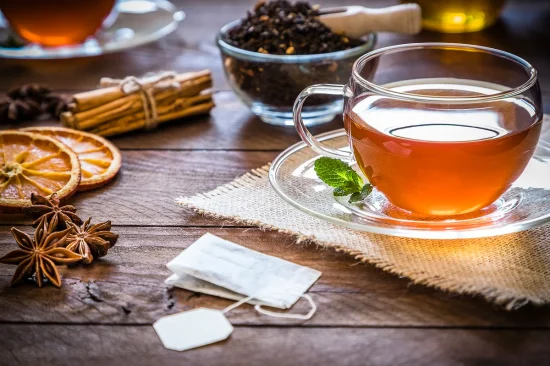
Some herbal teas may help support digestive comfort, particularly when they contain herbs such as ginger or peppermint.
Ginger has been studied for nausea and vomiting. An overview of systematic reviews and meta-analyses published in International Journal of Food Sciences and Nutrition found evidence supporting ginger’s potential role in managing nausea and vomiting, although the quality and results of individual studies varied.
A warm cup of ginger or peppermint tea may also be a soothing choice after a meal. However, herbal tea should not be used to diagnose or treat persistent digestive symptoms.
Best-known options: Ginger, peppermint, and fennel.
Keep in mind: Ginger can cause heartburn, abdominal discomfort, or diarrhea in some people, particularly in larger amounts. The National Center for Complementary and Integrative Health (NCCIH) provides additional information about ginger’s potential uses and safety.
Herbal teas such as chamomile are traditionally used as part of a relaxing evening routine.
Chamomile contains plant compounds such as flavonoids, including apigenin. Some preliminary research suggests chamomile preparations may have calming effects, but evidence for treating anxiety or insomnia is still limited. NCCIH’s chamomile overview notes that there is currently limited information supporting chamomile specifically for insomnia.
For many people, the benefit may also come from the routine itself: taking a few minutes to enjoy a warm, caffeine-free drink can create a relaxing break during the day.
Best-known options: Chamomile and lavender.
Keep in mind: Chamomile can cause allergic reactions, particularly in people who are allergic to plants in the daisy family. It may also interact with certain medicines. NCCIH provides information about chamomile safety and potential interactions.
For people trying to reduce caffeine, herbal tea can be an easy alternative to coffee or traditional tea.
Herbal tea is naturally caffeine-free unless it is blended with actual tea leaves or another source of caffeine. Choosing an unsweetened herbal tea can also help you avoid the added sugar found in some packaged beverages.
Staying hydrated is important for normal body functions, although herbal tea itself should not be described as a special detoxifying treatment.
Good everyday options: Peppermint, ginger, tulsi, chamomile, and hibiscus infusions.
Tip: Check the ingredient label because some blends may contain caffeinated tea leaves.
Many herbs contain naturally occurring plant compounds with antioxidant activity. These compounds are one reason herbal teas continue to be studied for their potential role in general health.
However, antioxidant activity measured in laboratory studies does not automatically mean that drinking a particular tea will prevent disease. Human research is needed to determine whether these compounds produce meaningful health effects.
Hibiscus, chamomile, and other botanicals contain various polyphenols and other phytochemicals that have been investigated in scientific studies. Research published in PubMed describes herbal teas as sources of diverse polyphenols and other bioactive plant compounds.
The best approach is to view herbal tea as one small part of a balanced diet rather than as a concentrated source of health benefits.
Some herbal teas have been studied for cardiovascular health, with hibiscus being one of the better-researched examples.
A systematic review and meta-analysis published in Nutrition Reviews examined randomized clinical trials of Hibiscus sabdariffa and found reductions in systolic blood pressure in the studied populations. However, the researchers also noted that more studies are needed to establish effective dosage and treatment duration.
Another systematic review and meta-analysis of randomized clinical trials found that hibiscus consumption was associated with reductions in blood pressure in the studies included. These findings do not mean hibiscus tea can replace prescribed blood-pressure treatment.
Best-known option: Hibiscus tea.
Important: If you take medication for blood pressure or another cardiovascular condition, speak with your healthcare professional before regularly using concentrated herbal products.
Herbal tea is not a proven weight-loss treatment. However, unsweetened herbal tea can be useful as a low-calorie beverage choice, particularly when it replaces sugary drinks.
For example, choosing plain herbal tea instead of a sugar-sweetened beverage can reduce overall calorie and added-sugar intake. The benefit comes from the overall dietary change rather than from herbal tea directly “burning fat” or significantly increasing metabolism.
Weight management is influenced by overall food intake, physical activity, sleep, genetics, and other lifestyle factors. Herbal tea can complement these habits but cannot replace them.
Practical tip: Choose unsweetened herbal tea if you want a simple, low-calorie beverage.
Herbal tea can make healthy habits easier to maintain because it is simple to prepare and can be enjoyed at different times of the day.
For example:
The important point is that there is no single herbal tea that provides every health benefit. The effects depend on the individual herbs and the overall formulation.

The best herbal tea depends on what you want from your beverage and which ingredients you tolerate well.
Goal | Herbal tea commonly used |
Digestive comfort | Ginger, peppermint, fennel |
Relaxing evening routine | Chamomile, lavender |
Caffeine-free hydration | Most herbal infusions |
Antioxidant-rich plant compounds | Hibiscus, chamomile and other botanical blends |
Cardiovascular research interest | Hibiscus |
Lower-calorie beverage choice | Unsweetened herbal tea |
These associations do not mean that the tea will treat a health condition. They simply indicate areas where particular herbs have been traditionally used or studied.
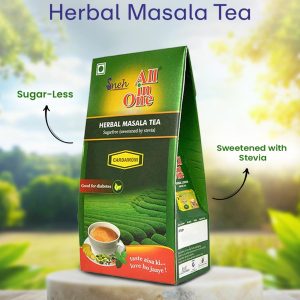
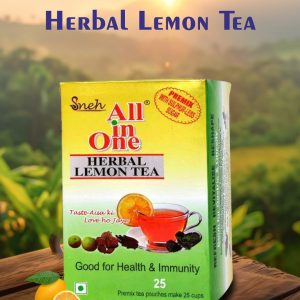
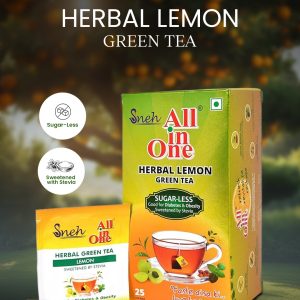
SNEH All In One – Naturally Crafted Teas offers herbal tea blends designed for people who want to include herbal beverages in their everyday routine.
Rather than presenting herbal tea as a cure or replacement for medical treatment, it is better viewed as a convenient beverage that can complement healthy lifestyle habits.
When choosing a herbal tea, look at the ingredient list, serving instructions, added sweeteners, and any relevant safety information.
For many healthy adults, drinking moderate amounts of commonly consumed herbal teas as beverages can be part of a normal diet. However, safety depends on the ingredients and the individual.
Some herbs can interact with medicines or may not be appropriate during pregnancy, breastfeeding, or certain medical conditions. For example, NCCIH notes that chamomile may interact with certain medicines, while its broader guidance on herb-drug interactions highlights why individual herbs should be considered separately.
If you take prescription medication or have a medical condition, ask your doctor or pharmacist whether a particular herbal tea is appropriate for you.
The potential benefits depend on the herbs used. Herbal tea can provide a caffeine-free beverage option, and some herbs may support digestive comfort, relaxation, or cardiovascular health. However, evidence varies significantly between herbs and health outcomes.
Many commonly consumed herbal teas can be included in a daily routine for healthy adults when consumed in reasonable amounts. However, certain herbs may interact with medicines or may not be suitable for everyone. Check the ingredients and speak with a healthcare professional if you have a medical condition or take medication.
Ginger is one of the better-studied herbs for nausea and digestive symptoms. Peppermint and fennel are also commonly used in digestive herbal blends. Research strength varies by herb and condition, so persistent digestive symptoms should be discussed with a healthcare professional. Research on ginger and nausea provides some of the available evidence.
Unsweetened herbal tea can be a useful low-calorie alternative to sugary drinks and may therefore fit into a weight-management plan. However, herbal tea itself should not be relied on as a weight-loss treatment.
Most herbal teas are naturally caffeine-free because they are made from herbs, flowers, spices, fruits, or other botanicals rather than the Camellia sinensis tea plant. Always check the ingredients because some blends may contain caffeinated tea leaves.
No. Herbal tea should not replace prescribed medicines or medical treatment. Some herbs can also interact with medicines, so consult a healthcare professional before regularly using herbal products if you take medication. NCCIH’s guidance on herb-drug interactions explains why these interactions should be considered.
This blog is for informational purposes only and should not be considered medical advice. While herbal teas can support overall wellness, they are not a substitute for medical treatment. If you have an existing health condition or are taking medication, consult your doctor before using products like Sneh All-In-One Herbal Tea.
Drinking herbal tea can be a simple way to add variety to a healthy daily routine. Depending on the ingredients, different herbal teas may support digestive comfort, relaxation, hydration, antioxidant intake, and other aspects of general wellness.
The evidence is stronger for some herbs and specific uses than others. Ginger has been studied for nausea, chamomile for relaxation-related uses, and hibiscus for cardiovascular risk factors, while research on herbal teas as a broad category remains limited. The available clinical evidence is summarized in this scoping review of herbal teas.
Instead of looking for one herbal tea that does everything, choose a blend based on its ingredients, your preferences, and your individual needs. SNEH All In One – Naturally Crafted Teas can be one option for adding herbal tea to a balanced daily routine, without treating it as a replacement for medical care.
Anu Sharma – Herbal Tea Specialist with 21+ Years of Experience
Anu Sharma is a herbal tea specialist with 21+ years of experience in herbal tea manufacturing and formulation. Her experience in herbal tea formulation, ingredient selection, and everyday tea use informs practical guidance on tea preparation and herbal tea ingredients.

Author: SNEH All In One Team A good herbal kadha tea has clearly listed ingredients, suitable caffeine levels, simple brewing instructions and reliable packaging and
Author: SNEH All In One Editorial TeamReviewed by: SNEH All In One Herbal Tea Specialists Our SNEH All In One green-tea-based Herbal Masala Tea is
Written by: Anu Sharma – Herbal Tea Specialist with 21+ Years of ExperienceBrand: SNEH All In One – Naturally Crafted Teas Brand Disclosure: This guide