SNEH All In One Herbal Tea Range: A Complete Product Comparison Guide
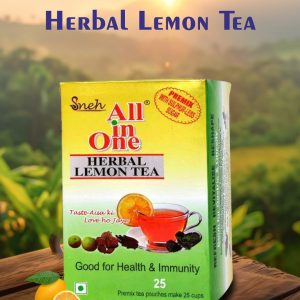
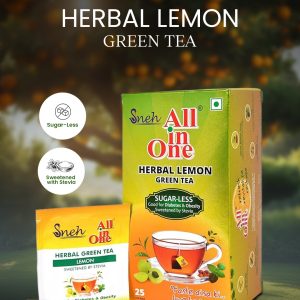
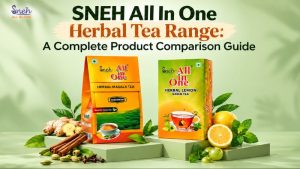
The SNEH All In One herbal tea range includes five products: Herbal Masala Tea, Sugarless Herbal Masala Tea, Herbal Lemon Tea, Sugarless Herbal Lemon Green

Author: Anu Sharma – Herbal Tea Specialists with 21+ Years of Experience
Choosing a suitable sugar-free herbal tea starts with checking the ingredient list, sweetener, nutrition information, caffeine content, and product quality. The right choice depends on your taste preferences and dietary needs, not simply the words on the front of the pack.
The best sugar-free herbal tea should have a transparent ingredient list, suitable sweetener, minimal unnecessary additives, and clear nutrition information.
Before buying, check:
If you want to reduce added sugar, a properly formulated sugar-free tea can be a practical everyday beverage.
Sugar-free herbal tea is an herbal beverage that meets the applicable requirements for a sugar-free claim and contains no more than 0.5 g of sugars per 100 g for solids or 100 ml for liquids, according to the FSSAI Advertising and Claims Regulations.
However, sugar-free, no added sugar, and unsweetened do not mean exactly the same thing.
Label Term | What It Generally Means |
Sugar-free | The product contains no more than 0.5 g of sugars per 100 g for solids or 100 ml for liquids under the applicable FSSAI claim conditions. |
No added sugar | Sugars have not been added to the food, subject to applicable regulatory conditions. |
Unsweetened | No sweetener has been added, so the natural flavour of the ingredients remains. |
This distinction matters because a product can avoid added sugar while still containing naturally occurring sugars from certain ingredients.
For products sold in India, always assess the actual label instead of relying only on front-of-pack marketing claims.
The ingredient list should be your first checkpoint because it tells you what is actually present in the product.
A good sugar-free herbal tea should clearly identify its herbs, sweeteners, flavours, and other ingredients.
Look for:
Terms such as “natural,” “healthy,” or “sugarless” should not replace checking the complete ingredient list.
The nutrition panel helps you understand whether the product fits your dietary goals.
What to Check | Why It Matters |
Total sugars | Shows the amount of sugar present |
Added sugars | Helps identify added sweetening ingredients |
Carbohydrates | Useful when monitoring carbohydrate intake |
Calories | Helps compare different formulations |
Serving size | Makes comparisons more accurate |
Under FSSAI’s applicable claim conditions, a food labelled as “free” of sugars should contain no more than 0.5 g of sugars per 100 g for solids or 100 ml for liquids.
The sweetener affects the taste, calorie content, and overall formulation of a sugar-free tea.
Sweetener | Main Characteristic | What to Check |
Stevia | High-intensity sweetness with little or no calories | Check the steviol glycoside and other ingredients |
Monk fruit | High-intensity sweetness | Check whether it is blended with another sweetener |
Erythritol | Sugar alcohol with fewer calories than sugar | Check the amount and individual tolerance |
Unsweetened | No added sweetener | Suitable if you prefer natural herbal flavours |
Sugar | Traditional sweetener | Adds sugar and calories |
The FDA has evaluated high-purity steviol glycosides through its GRAS notification process, including substances such as rebaudioside A and stevioside.
The important point is to evaluate the complete formulation rather than choosing a product simply because it contains stevia.
Not every sugar-free tea is caffeine-free, so check the ingredients if caffeine matters to you.
Herbal-only blends are generally caffeine-free, while products containing green tea or black tea can provide caffeine. Calorie content can also vary depending on the ingredients and how you prepare the drink.
If you want a low-calorie herbal tea, compare the calories per serving and avoid automatically adding sugar, honey, or syrups.
Reliable packaging should provide enough information to identify the product and its manufacturer.
For products sold in India, check for:
If a product makes organic, non-GMO, or another certification claim, look for supporting certification information rather than relying only on promotional wording.
Proper brewing helps you get the intended flavour without unnecessarily adding sugar or other ingredients.
For many herbal infusions, freshly boiled water and around 5–7 minutes of steeping provide a practical starting point. However, always follow the specific instructions on the package because different blends can require different brewing times.
A simple method is:
If your goal is to keep the beverage sugar-free, avoid adding sugar or honey after brewing.
The best sugar-free herbal tea depends on why you are avoiding sugar and whether you prefer a naturally unsweetened or sweetened beverage.
Choose a product with no added sugar and check the nutrition panel before buying.
A stevia- or monk-fruit-sweetened product may provide sweetness without table sugar. Always check whether other sweeteners or ingredients are included.
Compare calories per serving and consider what you add during preparation. Milk, honey, sugar, and syrups can increase the final calorie content.
Choose an herbal blend without green tea, black tea, or other caffeinated tea leaves.
Sugar-free tea can be a practical beverage choice for people with diabetes who want to reduce added sugar, but the complete nutrition profile still matters.
Before choosing one, check:
A sugar-free label does not mean that a tea treats or manages diabetes. Individual dietary requirements can also vary depending on medications, blood glucose control, and the overall meal plan.
People with diabetes should follow personalised advice from their healthcare professional or registered dietitian when making significant dietary changes.
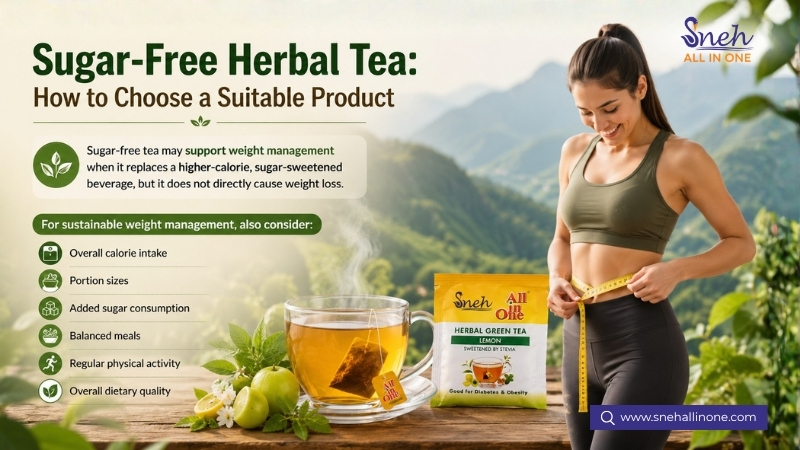
Sugar-free tea may support weight management when it replaces a higher-calorie, sugar-sweetened beverage, but it does not directly cause weight loss.
The potential benefit comes from the substitution. Replacing a regularly sweetened drink with a low-calorie sugar-free herbal tea may reduce overall calorie and added-sugar intake.
For sustainable weight management, also consider:
Sugar-free tea is best viewed as a useful beverage choice, not a standalone weight-loss solution
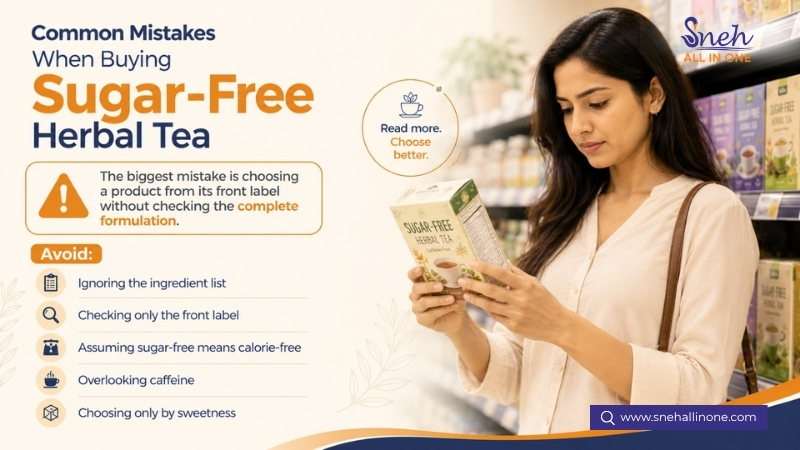
The biggest mistake is choosing a product from its front label without checking the complete formulation.
Avoid:
A simple buying rule is to compare the ingredient list, nutrition panel, sweetener, and product information before purchasing.
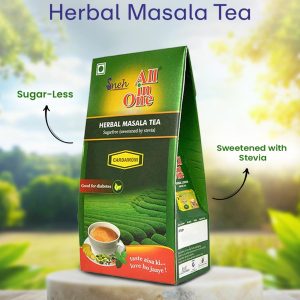
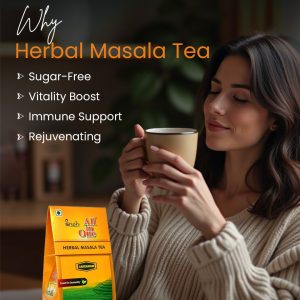
Sneh All In One Herbal Masala Tea Sugarless is an option for consumers who want a spiced herbal tea without conventional sugar.
The blend includes ingredients such as ginger, cinnamon, cardamom, cloves, and tulsi, creating a naturally spiced flavour profile. It is designed for consumers looking for a sugarless tea option that can be prepared without adding table sugar.
As with any packaged food, check the current product label for the latest ingredient, nutrition, preparation, and regulatory information before purchase.
Most healthy adults can choose sugar-free tea according to their preferences, but some people should review the ingredients more carefully.
Take extra care if you:
Sugar-free does not automatically mean suitable for everyone. The ingredients and your individual dietary needs should guide your choice.
No, not necessarily in the absolute sense; under FSSAI’s applicable claim conditions, “free” of sugars means no more than 0.5 g of sugars per 100 g for solids or 100 ml for liquids.
Stevia can be useful when you want sweetness without table sugar, but the best choice depends on your dietary goals and the complete product formulation.
It can be a practical alternative to sugar-sweetened tea, but people with diabetes should still check carbohydrates, serving size, and all ingredients.
It may help reduce calorie intake when it replaces a higher-calorie sweetened beverage, but it does not directly cause weight loss.
It depends on the ingredients. Herbal-only blends are generally caffeine-free, while blends containing green or black tea can contain caffeine.
Neither is automatically better for everyone. Taste, formulation, availability, and individual dietary needs should guide the choice.
You can, but adding honey introduces sugar to the finished beverage. If your goal is to keep the drink free from added sugar, avoid adding honey.
Choosing a suitable sugar-free herbal tea requires more than looking at the front-of-pack claim.
Remember to:
The best sugar-free herbal tea is one with a transparent formulation, suitable ingredients, clear labelling, and a flavour you enjoy without needing to add sugar.
Anu Sharma – Herbal Tea Specialists with 21+ Years of Experience
Anu Sharma brings more than 21 years of experience in herbal tea and wellness-focused product knowledge. Her approach focuses on helping consumers understand ingredients and make informed choices rather than relying on exaggerated health claims.
This article is for general educational purposes and does not replace professional medical or dietary advice. People with diabetes, medical conditions, allergies, or medication-related concerns should consult a qualified healthcare professional before making significant dietary changes.

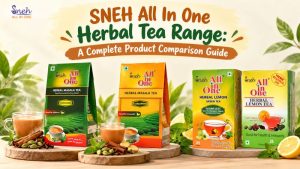
The SNEH All In One herbal tea range includes five products: Herbal Masala Tea, Sugarless Herbal Masala Tea, Herbal Lemon Tea, Sugarless Herbal Lemon Green
Written by: Sneh All In One Editorial TeamBrand: SNEH All In One – Naturally Crafted Teas Choose SNEH Herbal Masala Tea (₹150) for classic masala
Written by: Sneh All In One Editorial Team Herbal lemon tea does not balance or treat hormones. It can fit into a healthy routine as