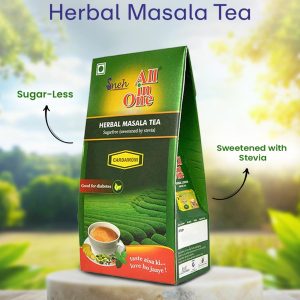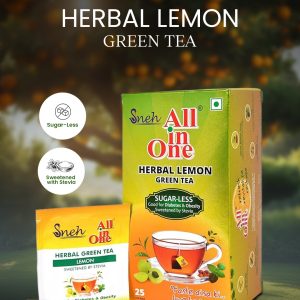
How to Choose the Right Herbal Kadha Tea
Author: SNEH All In One Team A good herbal kadha tea has clearly listed ingredients, suitable caffeine levels, simple brewing instructions and reliable packaging and


When you’re pregnant, it’s pretty common to search for calming drinks to help ease nausea, tiredness, bloating, or a queasy stomach. Herbal lemon tea pops up a lot—it’s light, caffeine-free, and easy to make at home. Still, pregnancy brings some extra caution. Not every herb is safe, and what’s in your tea really matters.
You’ve got to think about what herbs you’re using, whether you’re getting caffeine from elsewhere, how good the tea is, how much you’re drinking, and your own health history. Taking time to understand all this helps you make smarter, safer choices about what you drink while you’re expecting.
Before consuming herbal lemon tea or any herbal beverage during pregnancy, it is important to quickly evaluate its safety. This helps reduce risks and ensures more informed decisions.
Some commercial blends may contain hidden caffeine from ingredients such as green tea, black tea, matcha, or chai mixes. Always check the product label carefully before consumption..
Not all herbs are safe during pregnancy. Some herbs are considered safe in small amounts, while others may not be suitable and should be avoided unless approved by a healthcare professional.
Herbal products can sometimes carry contamination risks such as heavy metals, pesticide residues, or poor manufacturing quality, especially in unregulated or loose herbal mixtures.
The safety of herbal tea depends on correct dosage, frequency of use, product quality, and individual health condition.
Medical guidance is essential, especially for women with high-risk pregnancies or existing medical conditions.
Natural does not always mean safe during pregnancy, so careful selection is important.
The commonly recommended limit is up to 200 mg of caffeine per day. Caffeine crosses the placenta and reaches the developing baby, which is why excessive intake is not recommended.
High caffeine consumption may be associated with risks such as low birth weight and pregnancy complications.
While many caffeine-free beverages are naturally low in caffeine, some packaged blends may still contain caffeine-containing ingredients. Therefore, reading product labels carefully is essential. .
Some herbal teas are commonly used during pregnancy in small amounts and are generally considered safer when consumed in moderation.
Ginger tea may help reduce nausea and support digestion, especially during early pregnancy. Peppermint tea is often used to relieve bloating and mild stomach discomfort. Lemon-based herbal tea is refreshing and may support hydration and digestion. Rooibos tea is naturally caffeine-free and contains antioxidants, making it a popular alternative to traditional tea.
Even though these options are considered safer, moderation is still important.
Certain herbs may have stronger biological effects and should be limited or avoided unless specifically recommended by a healthcare provider.
Licorice root may affect blood pressure and hormone balance. Sage contains compounds that may stimulate uterine activity in large amounts. Hibiscus tea may lower blood pressure and is not suitable for all pregnant women. Parsley in large quantities should also be avoided. Unregulated herbal blends are risky because their ingredients and quality cannot always be verified.
Herbal teas are not always strictly regulated, and product quality can vary significantly.
Possible risks include heavy metals such as lead, arsenic, or aluminum, pesticide residues, poor manufacturing practices, and contamination in loose or unlabelled herbal products.
These risks are more important during pregnancy because the developing baby is more sensitive to toxins. Even small or repeated exposure over time may have an impact, which is why quality control is essential.
Choosing trusted, certified brands and avoiding unlabelled herbal mixtures is strongly recommended. Also Read: Why You Should Drink Herbal Lemon Tea for Better Health
During pregnancy, the body supports both the mother and the rapidly developing baby. The brain, nervous system, organs, and immune system are still forming, making the fetus more sensitive to external substances.
Even ingredients considered low-risk for adults may have a greater impact during pregnancy if consumed frequently or in unregulated forms. Over time, small exposures can accumulate, making safe food and beverage choices very important.
Warm one cup of water without boiling it excessively. Add one or two lemon slices or a small amount of fresh lemon juice. Optionally add a small piece of ginger. Let it steep for a few minutes. Add honey if needed. Drink warm in moderation.
References :
merican College of Obstetricians and Gynecologists (ACOG)
Limit intake to one or two cups per day. Avoid mixing multiple herbs without medical advice. Always read product labels carefully. Prefer simple and natural ingredients. Consult a healthcare professional before regular use of herbal lemon tea.
Seek medical advice if you experience unusual symptoms such as cramps, dizziness, or discomfort after drinking herbal tea. Women with high-risk pregnancies or medical conditions should always consult a doctor before use. Any uncertainty about ingredients or safety should also be discussed with a healthcare provider.
Individual health needs vary. Speak with your healthcare provider before using herbal products or changing your diet during pregnancy
Fact: This is not always true. The safety of herbal lemon tea depends on the ingredients used. A simple preparation made with lemon and small amounts of ginger or mint may be suitable for many pregnant women when consumed in moderation. However, some commercial or homemade blends may contain herbs such as licorice root, sage, or hibiscus, which may not be appropriate during pregnancy. In addition, product quality and individual medical conditions can also affect safety. It is always advisable to read ingredient labels carefully and consult a healthcare provider before drinking herbal beverages regularly.
Fact: More is not necessarily better. While herbal lemon tea may help support hydration, relieve mild nausea, or ease digestive discomfort, excessive consumption is not recommended. Drinking large amounts may increase exposure to certain herbal compounds or hidden caffeine if the product contains tea leaves. Most healthcare professionals recommend moderation and a balanced fluid intake rather than relying heavily on any single beverage
Herbal lemon tea may provide gentle relief for nausea, hydration, and digestion when made with safe ingredients like lemon and ginger. However, pregnancy is a sensitive condition, and not all herbal products are safe for regular use. Careful selection, moderation, and professional medical advice are essential to ensure safety for both mother and baby.

Author: SNEH All In One Team A good herbal kadha tea has clearly listed ingredients, suitable caffeine levels, simple brewing instructions and reliable packaging and

Author: SNEH All In One Editorial TeamReviewed by: SNEH All In One Herbal Tea Specialists Our SNEH All In One green-tea-based Herbal Masala Tea is

Written by: Anu Sharma – Herbal Tea Specialist with 21+ Years of ExperienceBrand: SNEH All In One – Naturally Crafted Teas Brand Disclosure: This guide