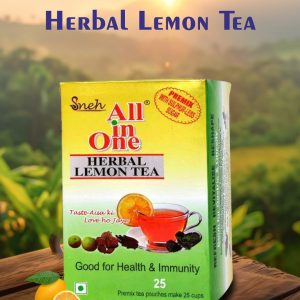
Health Benefits of Drinking Herbal Lemon Tea
Most people first try Herbal Lemon Tea when they have a sore throat, a cold, or simply want something warm and comforting. Then something interesting


Most people first try Herbal Lemon Tea when they have a sore throat, a cold, or simply want something warm and comforting. Then something interesting happens—they keep drinking it even when they’re feeling perfectly fine.
That’s because a good herbal blend offers more than just a pleasant taste. When lemon is combined with ingredients such as tulsi, ginger, amla, mint, lemongrass, or lemon balm, the result is a drink that fits naturally into everyday life. Some people enjoy it after meals. Others reach for it during a busy afternoon instead of another sugary beverage. Many simply like having a warm cup in their hands at the end of the day.
The real appeal isn’t one dramatic benefit. It’s the way several small advantages can add up over time.
A plain lemon drink and a thoughtfully blended herbal infusion are not quite the same thing. Lemon brings vitamin C and citric acid to the table, while herbs contribute their own unique qualities. Ginger adds warmth, tulsi brings a distinctive herbal character, mint creates freshness, and amla contributes additional antioxidants.
That combination is what makes these blends interesting. Each ingredient does something slightly different, which is why the blend often matters as much as the lemon itself.
When people think about Herbal Lemon Tea, immunity is usually the first thing that comes to mind.
There is a good reason for that. Lemon provides vitamin C, a nutrient that plays a role in normal immune function. Tulsi and amla are also rich in plant compounds that have long been included in herbal preparations. Research from the U.S. National Institutes of Health highlights the importance of vitamin C in supporting immune health and protecting cells from oxidative stress.
What makes this benefit practical is consistency. Drinking one cup occasionally is unlikely to change much. Making it part of your regular routine is where the value tends to appear.
No tea is a shield against illness. Still, small habits repeated over months often matter more than dramatic health resolutions that last only a week.
Reference:
https://ods.od.nih.gov/factsheets/VitaminC-HealthProfessional/
Ask regular tea drinkers why they keep a lemon-ginger blend in the kitchen, and digestion comes up surprisingly often.
Ginger is usually the first ingredient people notice. It adds warmth, a gentle spice, and contains gingerol—a compound researchers have studied for digestive support. Mint brings a refreshing contrast, which is one reason these blends are commonly enjoyed after meals.
A heavy lunch, a rich dinner, or simply a day of eating more than usual can leave you feeling sluggish. A warm cup afterward feels lighter than coffee, soda, or a sugary dessert drink.
Sometimes the simplest explanation is the right one: people continue drinking things that make them feel comfortable.
Reference:
https://www.ncbi.nlm.nih.gov/pmc/articles/PMC6616534/
Let’s be realistic: no tea melts away body fat.
The real advantage comes from what it can replace.
Many people consume hundreds of extra calories every day through sweetened beverages without thinking about it. Swapping one or two sugary drinks for a sugar-free herbal blend is a simple change that doesn’t feel restrictive.
You aren’t relying on a miracle ingredient. You’re simply making a better default choice.
Over time, those small decisions can have a bigger impact than chasing the latest weight-loss trend.
Most people don’t walk around thinking, “I need more water.”
What they notice instead is feeling tired, struggling to focus, or reaching for another coffee when energy starts dipping.
One reason lemon-based herbal drinks remain popular is that they make hydration less boring. The citrus flavor feels refreshing, while ingredients like mint and lemongrass add character without adding sugar.
Better hydration touches almost everything—energy, concentration, digestion, and even how your skin looks—which is why making the habit easier matters.
There is a reason warm lemon-based drinks appear in so many households whenever temperatures drop.
The warmth itself can feel soothing on an irritated throat. Add ginger, tulsi, or lemon, and you have a beverage many people naturally gravitate toward when they’re feeling run down.
No beverage cures a cold. Most people already know that.
What it can do is provide warmth, hydration, and a brief moment of comfort when you’re not feeling your best.
Nobody talks about this benefit enough.
A cup of herbal tea slows people down.
That’s a small thing, but in a day filled with notifications, meetings, errands, and screens, small things matter. Sitting quietly for five minutes with a warm drink creates a pause that many people rarely give themselves.
Lemon balm, lemongrass, and tulsi are often included in blends designed for calmer moments, which is one reason these teas are frequently enjoyed in the evening.
Sometimes the habit matters just as much as what’s in the cup.
People often search for a single food or drink that will magically improve their skin.
Reality is usually less exciting.
Good hydration, balanced nutrition, adequate sleep, and long-term consistency tend to matter far more than any individual product. That’s where a lemon-herb infusion can play a supporting role.
Lemon contains vitamin C, which contributes to normal collagen formation, while antioxidant-rich ingredients such as amla may help protect cells from oxidative stress.
Think of it as one piece of a larger picture rather than a shortcut.
Tulsi and lemon both contain naturally occurring plant compounds called flavonoids. Researchers have studied flavonoids for their potential role in cardiovascular health and helping protect cells from oxidative damage.
That doesn’t mean drinking tea alone determines heart health. Exercise, sleep, diet, and genetics all play much larger roles.
Still, it’s interesting that ingredients chosen primarily for flavor may bring additional advantages along with them.
Reference:
https://www.hsph.harvard.edu/nutritionsource/flavonoids/
One of the simplest nutrition upgrades isn’t adding something new to your diet—it’s replacing what you already drink.
A large number of people consume more sugar through beverages than through desserts.
Switching from sweetened soft drinks to a naturally flavored herbal drink can significantly reduce unnecessary sugar intake without feeling like a sacrifice.
It’s a change that fits into real life, which is often why it succeeds where more complicated plans fail.
Lemon’s citric acid has been studied for its potential role in reducing the formation of certain kidney stones.
That doesn’t mean a cup of tea prevents kidney stones. The science is more nuanced than that. But researchers have found that citrate may help reduce stone formation in some individuals.
It’s one of those lesser-known benefits that rarely appears in marketing materials but often shows up in educational health resources.
Reference:
https://www.uwhealth.org/files/uwhealth/docs/pdf/kidney_citric_acid.pdf
There isn’t one perfect time.
Many people enjoy a cup in the morning because the fresh citrus flavor feels light and refreshing. It can be a pleasant alternative to starting the day with something overly sweet.
After meals is another popular choice, particularly for blends that contain ginger or mint.
During the afternoon, it works well as a flavorful pick-me-up without the heaviness of many sweetened beverages. It’s also an easy way to get through the mid-afternoon slump without reaching for another sugary snack.
If your blend is caffeine-free, an evening cup can become a relaxing way to wind down before bed.
Although this drink suits most adults, a few people may want to consume it in moderation:
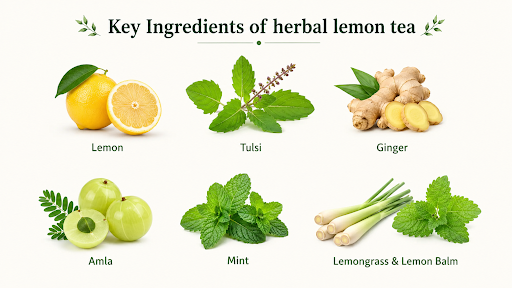
Lemon: Provides vitamin C and citric acid while giving the tea its bright, refreshing taste.
Tulsi: Known for its distinctive aroma and commonly included in blends aimed at helping people manage everyday stress.
Ginger: Adds warmth and contains gingerol, a naturally occurring compound studied for digestive support.
Amla: A traditional ingredient valued for its antioxidant content and nutritional profile.
Mint: Contributes freshness and is frequently enjoyed after meals.
Lemongrass & Lemon Balm: Popular ingredients in evening blends because of their pleasant aroma and calming character.
Not every product on the shelf is worth buying.
Look for:
Try to avoid:
The appeal of Herbal Lemon Tea isn’t that it promises dramatic results.
What makes it worthwhile is that it fits naturally into daily life. It can help you drink more fluids, replace sugary beverages, enjoy a calming break during a busy day, and add a few beneficial ingredients to your routine at the same time.
Reading about healthy habits is easy. Building them is the real test.
If this blend sounds appealing, don’t overthink it. Make one cup tomorrow, see how it fits into your day, and decide for yourself whether it’s worth keeping around.

Most people first try Herbal Lemon Tea when they have a sore throat, a cold, or simply want something warm and comforting. Then something interesting
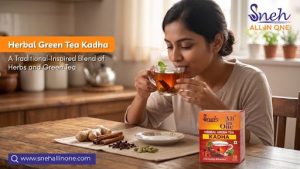
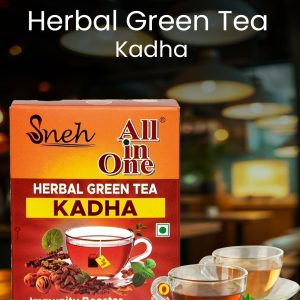
Modern lifestyles have increased interest in natural wellness beverages that fit easily into daily routines. One such popular option is Herbal Green Tea Kadha —
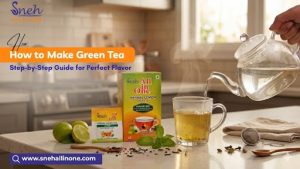
Green tea has become one of the most popular healthy drinks for people who want a better lifestyle. Many tea lovers and fitness-conscious people enjoy