Beat the Bloat: Why You Should Drink Herbal Lemon Tea During Your Cycle
No herbal tea is proven to treat period bloating, but a warm drink may offer comfort and help you stay hydrated. Ginger and fennel have


Author: Anu Sharma – Herbal Tea Specialist with 21+ Years of Experience
Green tea bags can make a fresh cup in just a few minutes, but boiling water and over-steeping can quickly make the tea bitter. For a smoother cup, use hot water below boiling point, steep the bag for about 2–3 minutes, and remove it without squeezing.
If you are wondering how to brew green tea bags without a harsh taste, focus on three things: water temperature, steeping time, and how much tea you use.
Green tea naturally contains compounds such as catechins and tannins, which contribute to its characteristic flavor and astringency. These compounds are part of what makes green tea distinctive, but extracting too much of them can create a noticeably bitter cup.
The most common reasons include:
In my experience, water temperature and steeping time make the biggest difference. You usually do not need a second tea bag to make your cup more flavorful.

Making green tea with tea bags is simple when you control the brewing process.
Use fresh drinking water rather than water that has already been boiled several times. Filtered or spring water can be a good choice, especially if your tap water has a strong chlorine taste or high mineral content.
For one cup, around 200–250 ml of water is a practical starting point.
This is one of the most important steps when learning how to brew green tea bags.
Aim for approximately 75–85°C instead of pouring freshly boiling water directly over the bag. Very hot water can extract more astringent compounds and make delicate green tea taste harsh.
If you do not have a thermometer, let freshly boiled water sit for a short time before brewing.
With loose-leaf green tea, a common starting point is around 2 grams, or roughly 1 teaspoon, per 200–250 ml cup. Tea bags are already portioned, so normally one standard tea bag is enough for one cup.
If the tea tastes weak, adjust the brewing time slightly before automatically adding another bag.
Put one tea bag into your cup and pour the hot water over it.
Let the water move naturally through the tea bag. There is no need to repeatedly dunk it up and down, as this can make the extraction less controlled.
How long to steep green tea bags depends on the blend and your preferred strength, but 2–3 minutes is a useful starting point.
For a lighter cup, try around 2 minutes. If you prefer more flavor, move closer to 3 minutes.
Avoid leaving the tea bag in the cup while you drink. Longer steeping can increase astringency and make the tea taste more bitter.
Once the tea reaches your preferred strength, remove the bag.
Avoid pressing or squeezing it against the side of the cup. This can release a more concentrated liquid and make the final cup taste harsher.
If you want an easy starting point, use this formula:
1 tea bag + 200–250 ml fresh filtered water + 75–85°C water + 2–3 minutes of steeping
Then remove the bag and taste the tea.
If it is too bitter, use cooler water or reduce the steeping time next time. If it is too mild, increase the steeping time slightly.
This simple adjustment approach is more useful than trying to make every cup stronger.
If the basic method still produces bitterness, check these factors.
Try brewing the same tea bag for around 90 seconds to 2 minutes. If the flavor becomes smoother, the original brewing time was probably too long for that particular tea.
If the tea remains sharp or bitter, try slightly cooler water. Different green teas can respond differently to heat, so small adjustments can improve the flavor.
Keep your tea bags in a cool, dry place away from moisture, heat, strong odors, and direct sunlight.
Poor storage can affect freshness and aroma. If the tea smells stale or tastes noticeably different from when the package was opened, storage or age may be contributing to the problem.
Cold brewing is another simple way to enjoy green tea with a naturally smoother taste.
Place one green tea bag in approximately 250–300 ml of cold, filtered water. Cover and refrigerate for around 4–8 hours, depending on how strong you prefer the tea.
Remove the bag before serving. You can drink it chilled or pour the tea over ice for a refreshing iced version.
Because cold water extracts tea more slowly than hot water, the resulting cup can taste gentler and less astringent.
Yes. Once you remove the tea bag, you can customize your cup according to your preference.
A little lemon can add a fresh citrus note, while honey or stevia can provide sweetness. However, sweetener should not be the first solution for an overly bitter cup.
If the tea tastes harsh, correct the water temperature and steeping time first.
Instead of repeating the complete brewing process, remember these three key mistakes:
Avoiding these three habits can make a noticeable difference in the taste of your cup.

After more than 21 years of working with herbal teas and everyday tea habits, my simplest advice is this: do not rush the brewing process, but do not overwork the tea either.
Start with fresh filtered water, use water below boiling point, and begin with a shorter steep. You can always make the next cup stronger, but it is difficult to rescue an over-extracted one.
If you are new to green tea bags, treat the first cup as your baseline. Adjust the temperature or steeping time gradually until you find the balance that suits your taste.
Also Read This Article: https://snehallinone.com/top-green-tea-brands-in-india/
A good starting point is 2–3 minutes. You can shorten or extend the time slightly depending on the tea and your preferred strength.
Bitterness commonly comes from water that is too hot, excessive steeping, squeezing the tea bag, or tea that has lost freshness.
It is better to avoid freshly boiling water for most green tea bags. Let the water cool slightly before brewing.
Use 75–85°C water, steep for around 2–3 minutes, and remove the tea bag without squeezing it.
Yes. Place a tea bag in about 250–300 ml of cold filtered water and refrigerate for approximately 4–8 hours. Remove the bag before serving.
It is better to remove the bag once the tea reaches your preferred strength. Leaving it in longer can increase astringency and bitterness.
Brewing green tea bags without bitterness does not require complicated equipment. The biggest improvements usually come from controlling water temperature, steeping time, and tea quantity.
Start with fresh filtered water, use water below boiling point, steep for around 2–3 minutes, and remove the tea bag without squeezing. If the cup tastes too strong, shorten the steeping time or lower the water temperature next time.
Whether you choose tea bags or loose-leaf tea, the better option is the one you enjoy and can prepare correctly and consistently.
Once you find the right balance for your preferred tea, making a smooth and refreshing cup becomes an easy everyday routine.
Anu Sharma – Herbal Tea Specialist with 21+ Years of Experience, shares practical insights on herbal teas, tea preparation, ingredients, and mindful everyday wellness. Her approach focuses on helping readers understand tea quality and preparation so they can make informed choices for their daily routines.

No herbal tea is proven to treat period bloating, but a warm drink may offer comfort and help you stay hydrated. Ginger and fennel have

The SNEH All In One brand is an Indian herbal tea brand based in Kanpur, Uttar Pradesh. With more than 21 years of experience in

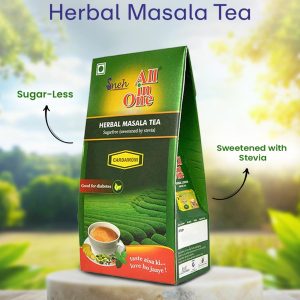
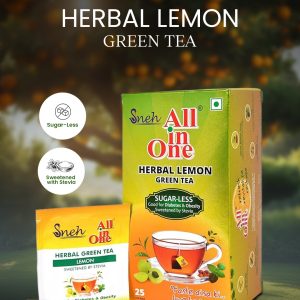
Written by: Sneh All In One Editorial TeamBrand: SNEH All In One – Naturally Crafted Teas Choose SNEH Herbal Masala Tea (₹150) for classic masala