Beat the Bloat: Why You Should Drink Herbal Lemon Tea During Your Cycle
No herbal tea is proven to treat period bloating, but a warm drink may offer comfort and help you stay hydrated. Ginger and fennel have

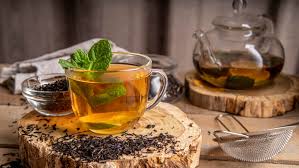
Green tea is one of the healthiest beverages consumed around the world. Tea comes in various forms; the most consumed types are Herbal Green Tea and black tea (commonly called black tea). Although both teas are produced from the same plant, Camellia sinensis, the taste, health benefits, and steeping techniques of each tea are different. In this blog, you’ll learn about the differences between Herbal Green Tea and normal tea, as well as the benefits of each one.
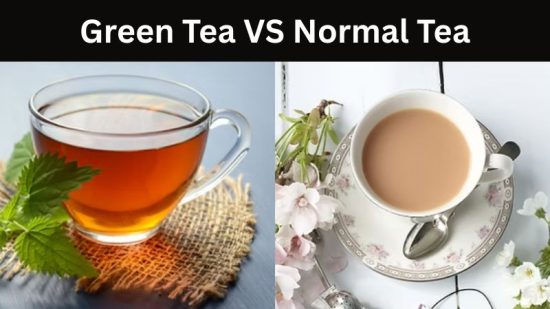
Green tea is made from fresh green tea leaves of the Camellia sinensis plant that are minimally processed to preserve their natural nutrients. Unlike black tea, the leaves are not fully oxidized and are rapidly steamed or pan-heated after harvesting. This process helps retain their green color and preserves a higher concentration of antioxidant compounds, such as catechins. Green tea has a mild, earthy flavor and is typically consumed without milk or sugar. Green tea and its extracts are often praised for boosting metabolism, enhancing brain function, and supporting heart health. Above all, it is valued as a natural wellness drink that promotes overall well-being.
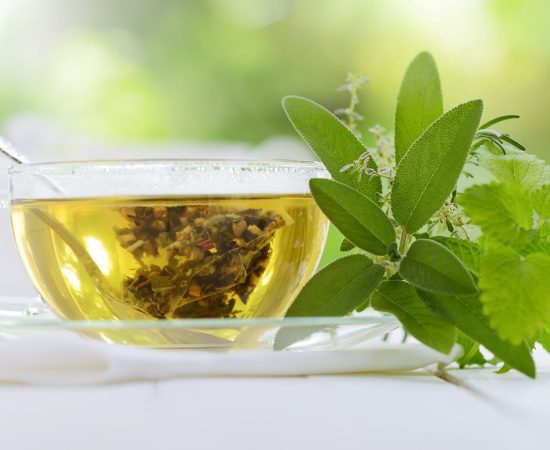
Black tea, also known as regular tea, is made from the fully oxidized leaves of the Camellia sinensis plant. The oxidation process gives black tea its rich color and bold taste. With more caffeine than Herbal Green Tea, it serves as a stronger, more energizing drink. Black tea is generally consumed with spices, or sweeteners, or creamers, and a lot of times in Indian homes or in situations in which spices or sweeteners have become normalized. Black tea is high in flavonoids that are generally considered good for the heart, boost your energy, and improve your alertness, and is still one of the most consumed teas in the world.

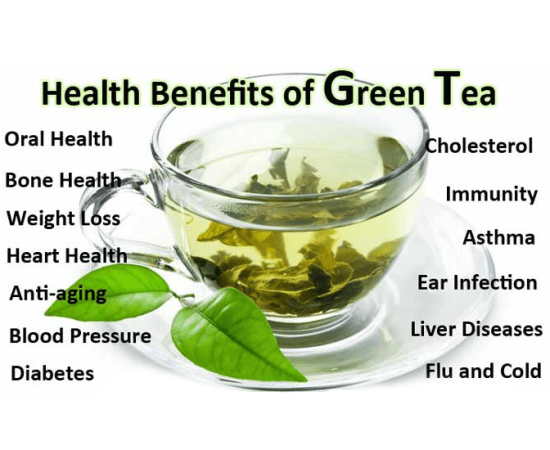
Green tea has high antioxidants and low calories. It aids in metabolism, heart health, brain health, and weight management, promoting both physical and mental health as a result.
Green tea contains catechins and a small amount of caffeine, which may help increase fat burning and support a healthy metabolic rate. When combined with a balanced diet and regular exercise, metabolic support can aid in weight management. For this reason, many people consider it the best green tea for weight loss while also supporting overall wellness and healthy living.
Green tea combines L-theanine and caffeine to enhance focus, alertness, and memory. It also creates a calm, clear state of mind without causing drowsiness.
Green tea supports heart health by reducing bad cholesterol (LDL) and enhancing blood flow, which helps lower the risk of heart-related issues. Its antioxidants protect blood vessels, reducing the risk of heart disease and stroke.
Green tea has powerful antioxidants like catechins and polyphenols that can combat free radicals in the body. This is to protect against damage to cells and help to reduce the risk of chronic disease.
The anti-inflammatory quality of Camellia sinensis can help soothe irritations and redness of the skin. Lastly, it can help postpone aging by protecting the skin against damage.
Traditional tea, or black tea, provides many health benefits because it is a rich source of antioxidants while containing moderate amounts of caffeine. Black tea can help increase alertness, provide heart and digestive health, and provide that comforting beverage experience in our lives.
Black tea contains caffeine that helps increase focus, concentration, and energy levels. Stimulating the brain without the strong lurch coffee can bring, offers a nice drink for daily mental productivity.
Black tea has flavonoids that help decrease bad cholesterol and improve the function of blood vessels. Daily consumption can lead to a reduction in the risk of heart disease and a reduction in the risk of stroke.
Black tea consumed after meals can aid digestion and settle your stomach. The natural compounds help to regulate bowel movements and relieve bloating.
Camellia sinensis and herbal Green tea are both popular for their health benefits, but they are quite different in origin, preparation, and properties.
Green tea is made from the leaves of the Camellia sinensis plant, which is used to make black and oolong tea as well. Herbal tea does not come from a specific plant and is not technically a tea. Herbal tea is combined with leaves, roots, flowers, seeds, or fruits such as mint, ginger, or chamomile.
Green tea contains caffeine by nature, although not as much as coffee or black tea, so it is a mild stimulant. Herbal tea is caffeine-free, so it is a good option for those who don’t like caffeine or are looking for something relaxing.
Green tea is steamed or pan-fired and dried after harvest to prevent it from becoming oxidized (which is how black tea is produced). Camellia sinensis is steamed or pan-fired at high temperatures and only slightly dried to keep it from oxidizing, which keeps it green as the leaves dry and keeps its nutrients present. Herbal tea is usually dried and therefore does not get oxidized in this process. The dried parts of the plant can be any part of the plant as leaves, flowers, stems, seeds, roots, and fruit.
Also Read: How to Make Green Tea: Step-by-Step Guide for Perfect Flavor
Green tea’s taste is light, earthy, and slightly grassy, but if brewed too long, it can taste bitter. Herbal tea has a wide range of tastes and can be somewhat sweet or floral or spicy, or minty, depending on the ingredients.
Green tea contains a variety of antioxidants, mainly catechins, and has been shown to increase metabolic rate, increase brain function, and promote heart health. Herbal teas can have different benefits, including herbs that calm the mind (e.g., chamomile), calm the stomach (e.g., peppermint), and promote immunity (e.g., tulsi), etc.
The information provided is for general knowledge purposes only and is not a substitute for professional medical advice. Please consult your healthcare provider before consuming any herbal or green tea products, especially if you have existing health conditions or are on medication. Sneh All in One does not claim to treat, cure, or prevent any disease.
Herbal teas and green teas offer different health benefits and can both add value to your healthy lifestyle. Sneh All in One brings you options from Camellia sinensis, which contains mild caffeine and antioxidants that support metabolism, heart, and brain health. Herbal teas, made from plants and flowers, are caffeine-free and aid in relaxation and digestion. Both support mindful, healthy living—choose what suits you best.

No herbal tea is proven to treat period bloating, but a warm drink may offer comfort and help you stay hydrated. Ginger and fennel have

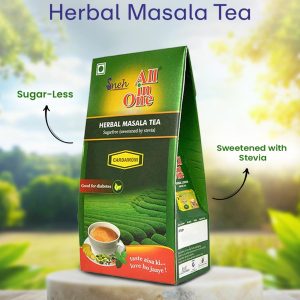
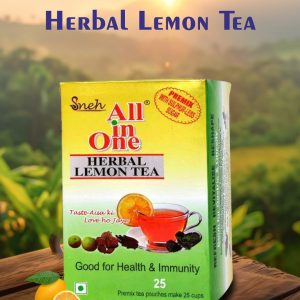
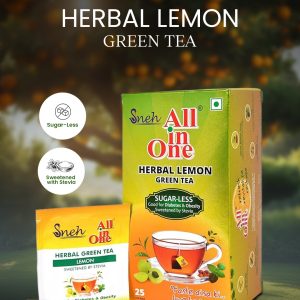
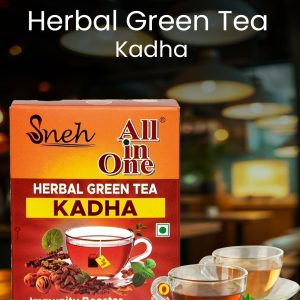
The SNEH All In One herbal tea range includes five products: Herbal Masala Tea, Sugarless Herbal Masala Tea, Herbal Lemon Tea, Sugarless Herbal Lemon Green

Written by: Sneh All In One Editorial TeamBrand: SNEH All In One – Naturally Crafted Teas Choose SNEH Herbal Masala Tea (₹150) for classic masala