How to Choose the Right Herbal Kadha Tea
Author: SNEH All In One Team A good herbal kadha tea has clearly listed ingredients, suitable caffeine levels, simple brewing instructions and reliable packaging and

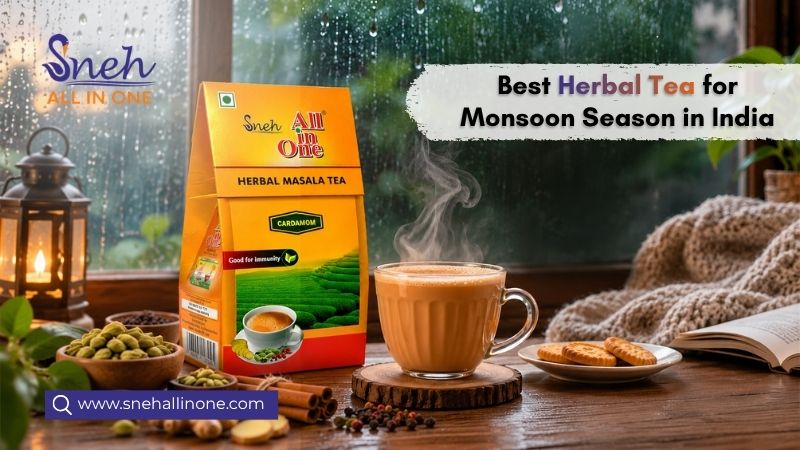
The best herbal tea for monsoon is one that combines warming herbs like ginger, tulsi, cinnamon, clove, black pepper, and lemongrass. These ingredients have been used in Indian households for generations and are valued in Ayurveda for supporting seasonal wellness and digestive comfort during the rainy season.
A well-balanced herbal tea can be a healthier alternative to sugary beverages and can easily become part of your daily routine. While herbal tea is not a medicine or a replacement for medical care, enjoying it regularly alongside a balanced diet, adequate sleep, and an active lifestyle can support overall well-being during seasonal changes.
If you’re just starting to explore herbal beverages, understanding the basics can help you make a better choice. You can also read our guide on What Is Herbal Tea? Types, Benefits & How It Works to learn how herbal teas differ from traditional tea and why they’re becoming a popular part of everyday wellness routines.
Lorem ipsum dolor sit amet, consectetur adipiscing elit. Ut elit tellus, luctus nec ullamcorper mattis, pulvinar dapibus leo.Lorem ipsum dolor sit amet consectetur adipiscing elit dolor
Anu Sharma, Founder of SNEH All In One – Naturally Crafted Teas
As the founder of SNEH All In One – Naturally Crafted Teas, Anu Sharma has spent years working with herbal tea blends inspired by traditional Indian ingredients. Through her experience, she encourages people to adopt practical, sustainable wellness habits that are easy to follow every day. This guide combines traditional Indian knowledge, Ayurvedic seasonal practices, and evidence-informed nutrition insights to help you choose the right herbal tea for the monsoon season.
The monsoon season brings welcome relief from the summer heat, but it also introduces high humidity, sudden temperature changes, and changes in eating habits. Many people naturally crave fried snacks, drink less water, and notice that they feel heavier or less energetic during this time.
This is where a herbal tea for monsoon fits naturally into your daily routine.
A warm cup of herbal tea provides comfort during rainy weather, encourages better hydration, and offers the natural goodness of herbs and spices that have long been part of Indian kitchens. Instead of reaching for sugary beverages or multiple cups of strong tea or coffee, many people prefer herbal blends because they are light, flavourful, and easy to prepare.
One common mistake we often notice is that people only start drinking herbal tea after they feel unwell. In reality, seasonal wellness habits work best when they become part of your everyday routine before seasonal discomfort begins. Small, consistent habits usually have a greater long-term impact than occasional remedies.
According to Ayurveda, the rainy season is known as Varsha Ritu. During this period, the digestive fire, or Agni, is believed to become weaker because of increased humidity and changes in the environment. Ayurveda also suggests that Vata and Kapha doshas may become imbalanced during this season, which can leave some people feeling sluggish or experiencing digestive discomfort.
To support the body through these seasonal changes, Ayurveda follows the principle of Ritucharya, which means adapting your food and lifestyle according to the season.
This is one reason why warm foods and herbal drinks have traditionally been preferred during the monsoon. Ingredients such as ginger, tulsi, black pepper, cinnamon, and clove have been used for generations because they complement the body’s seasonal needs while adding warmth and flavour.
While Ayurvedic wisdom provides valuable guidance for seasonal living, herbal tea should be enjoyed as part of a balanced lifestyle and should not be viewed as a treatment for illness.
Not every herbal tea is ideal for the rainy season. A good monsoon blend should offer a balance of flavour, warmth, and carefully selected herbs rather than relying on a single ingredient.
When choosing a herbal tea, look for blends that include:
A balanced blend saves time, delivers consistent flavour, and makes it easier to enjoy herbal tea every day without preparing multiple ingredients separately.
Traditional knowledge is increasingly being explored through modern nutrition research. Many herbs commonly used in herbal teas naturally contain bioactive plant compounds that contribute to their distinctive flavour and antioxidant profile.
Herb | Naturally Occurring Compound | Why It’s Popular |
Ginger | Gingerols & Shogaols | Known for their warming nature and widely studied antioxidant compounds. |
Tulsi | Rosmarinic Acid & Eugenol | Traditionally valued in Ayurveda and naturally rich in plant antioxidants. |
Clove | Eugenol | Gives clove its distinctive aroma and warming flavour. |
Black Pepper | Piperine | Adds gentle heat and has traditionally been paired with other herbs in Indian recipes. |
Cinnamon | Cinnamaldehyde | Responsible for cinnamon’s sweet aroma and comforting taste. |
Lemongrass | Citral | Provides a fresh citrus flavour that balances stronger spices. |
Rather than relying on one “super herb,” the best blends combine complementary ingredients that work together to create a balanced taste and enjoyable daily ritual.
Note: These herbs naturally contain bioactive compounds that have been studied for their nutritional properties. However, herbal tea should not be considered a substitute for medical treatment or prescribed medications.
One of the biggest advantages of herbal tea is that it’s easy to include in your everyday routine. Whether you enjoy it in the morning or during an evening break, drinking herbal tea regularly can become a simple seasonal habit that complements a balanced diet and healthy lifestyle throughout the monsoon.
Few things are as comforting as a warm cup of tea while it’s raining outside. Herbal tea provides warmth without relying on heavily sweetened beverages and can be enjoyed throughout the day.
Monsoon is often associated with fried snacks and richer meals. Traditional herbs like ginger, black pepper, and cinnamon have been paired with food for generations and are commonly enjoyed after meals as part of Indian culinary traditions.
Replacing sugar-rich drinks with a naturally flavoured herbal tea can be a simple step towards healthier daily habits. Whether you’re working from home or relaxing with family, a warm herbal tea is an easy addition to your monsoon routine.
The answer depends on the blend you choose.
Pure herbal infusions made only with herbs and spices are naturally caffeine-free. However, blends that include green tea or black tea will contain a small amount of natural caffeine.
If you’re sensitive to caffeine or prefer an evening drink, check the ingredient list before choosing a blend. Caffeine-free herbal infusions are often a better option later in the day, while green tea-based blends are generally enjoyed in the morning or afternoon.
A good herbal tea is not only about the ingredients—it is also about brewing it correctly. Using the right water temperature and steeping time helps preserve the natural aroma and flavour of the herbs.
For a stronger flavour, let the tea steep for an extra minute instead of continuously boiling the herbs. If you prefer a touch of sweetness, add a small amount of honey only after the tea has cooled slightly, as high heat can affect its natural properties.
Humidity is one of the biggest reasons herbal tea loses its freshness during the rainy season. Even a high-quality tea can lose its aroma if stored incorrectly.
To keep your tea fresh:
These simple storage habits help preserve the flavour and aroma of your tea throughout the monsoon.
Not all herbal teas are made with the same quality ingredients. Before buying, take a moment to read the label rather than relying only on marketing claims.
Look for a blend that:
The best herbal tea is one you’ll enjoy consistently—not one with the longest list of ingredients.
Making herbal tea from fresh ginger, tulsi, cinnamon, cloves, and black pepper at home can be rewarding, but it also takes time. Many people start with enthusiasm and then find it difficult to maintain the routine every day.
A ready-to-brew herbal blend offers a practical alternative. Instead of measuring several herbs each morning, you can enjoy a balanced cup in just a few minutes.
For those with busy schedules, convenience often makes it easier to build a healthy habit that lasts.
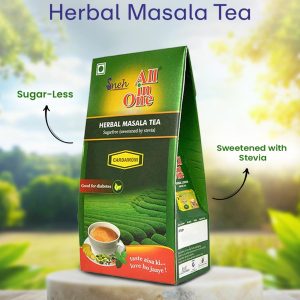
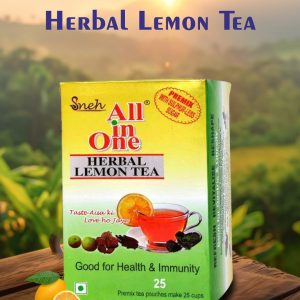
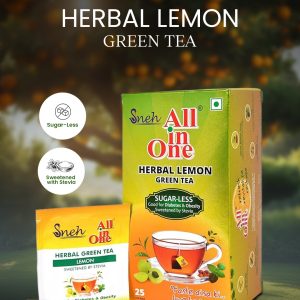
If you’re looking for a convenient option, SNEH All In One Herbal Tea is crafted with carefully selected herbs inspired by traditional Indian wellness practices.
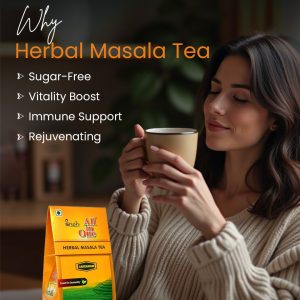
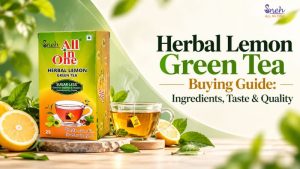
Whether you choose the Herbal Masala Tea, Herbal Lemon Tea, or Herbal Lemon Green Tea, each blend is designed to make enjoying herbal tea simple and consistent.
Rather than replacing homemade remedies, SNEH offers a practical way to enjoy the goodness of traditional herbs in a ready-to-brew format that fits modern lifestyles.
Many herbs commonly used in herbal teas have been studied for their naturally occurring antioxidants and bioactive plant compounds.
For example:
These findings support the idea that herbal tea can be part of a balanced lifestyle. However, no herbal tea should be considered a treatment, cure, or replacement for professional medical advice.
A blend containing ginger, tulsi, cinnamon, clove, black pepper, and lemongrass is a popular choice during the rainy season. These herbs have been traditionally used in Indian households and complement seasonal wellness practices.
Yes. Most healthy adults can enjoy 2–3 cups a day as part of a balanced diet and healthy lifestyle. If you are pregnant, breastfeeding, have a medical condition, or take prescription medicines, speak with your healthcare provider before making significant dietary changes.
Many herbal teas contain herbs that are naturally rich in antioxidants and have traditionally been used in everyday wellness practices. However, herbal tea alone cannot prevent or cure illness. A balanced diet, regular exercise, adequate sleep, and good hygiene remain essential for overall health.
You can enjoy herbal tea:
If your blend contains green tea or black tea, it may contain some natural caffeine. If you prefer a caffeine-free option, choose a herbal infusion made only with herbs and spices.
Some mild herbal teas may be suitable for older children in moderation, but ingredients and age matter. It’s always best to consult a pediatrician before introducing herbal beverages to children, especially those containing concentrated herbs or spices.
Herbal tea isn’t just for the monsoon—it can be enjoyed throughout the year as part of a balanced lifestyle. If you’re curious about how herbal tea fits into an active routine, you may also find our guide on Herbal Lemon Tea Before Workout: Good or Bad? helpful. The best herbal tea for monsoon isn’t the one with the longest ingredient list—it’s the one you’ll enjoy drinking consistently.
Whether you prepare your own blend at home or choose a ready-to-brew option, making herbal tea part of your everyday monsoon routine is a simple habit that supports seasonal wellness without adding complexity to your day.
Enjoy it alongside a balanced diet, regular physical activity, adequate sleep, and good hydration to make the most of the rainy season.

Author: SNEH All In One Team A good herbal kadha tea has clearly listed ingredients, suitable caffeine levels, simple brewing instructions and reliable packaging and
Author: SNEH All In One Editorial TeamReviewed by: SNEH All In One Herbal Tea Specialists Our SNEH All In One green-tea-based Herbal Masala Tea is
Written by: Anu Sharma – Herbal Tea Specialist with 21+ Years of ExperienceBrand: SNEH All In One – Naturally Crafted Teas Brand Disclosure: This guide