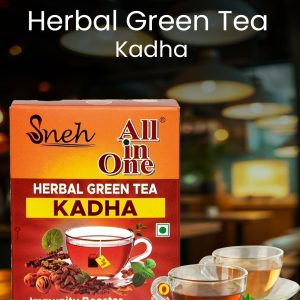
How to Choose the Right Herbal Kadha Tea
Author: SNEH All In One Team A good herbal kadha tea has clearly listed ingredients, suitable caffeine levels, simple brewing instructions and reliable packaging and


If you are searching for the best herbal tea for acidity, gentle caffeine-free options such as ginger, fennel, and chamomile tea may be worth considering. The right choice depends on your symptoms, because indigestion, gas, heartburn, and acid reflux are not exactly the same problem.
One important point is often overlooked: a tea that supports digestion is not automatically suitable for acid reflux.
For example, fennel may be a better fit when gas and fullness are your main concerns. Ginger may suit occasional nausea and digestive discomfort. Chamomile can be a calming caffeine-free option, especially in the evening.
Herbal Tea | May Be Most Suitable For | Important Caution |
Ginger tea | Nausea and digestive discomfort | Strong preparations may irritate some people |
Fennel tea | Gas, fullness and bloating | Limited evidence for treating reflux |
Chamomile tea | Digestive comfort and relaxation | Avoid with relevant plant allergies |
Licorice/DGL | Traditional digestive support | Regular licorice has important safety concerns |
Marshmallow root | Traditional soothing support | May affect medication absorption |
Slippery elm | Traditional soothing support | May affect medication absorption |
Peppermint | Some digestive complaints | May worsen reflux in susceptible people |
This table is a practical starting point, not a treatment recommendation.
There is no single tea that works for everyone experiencing acidity.
For occasional digestive discomfort, ginger, fennel, and chamomile are reasonable caffeine-free options to explore. Licorice, marshmallow root, and slippery elm are also traditionally used for digestive comfort.
However, evidence specifically supporting herbal teas as treatments for GERD remains limited. Complementary approaches should not replace appropriate medical care.
Instead of asking, “Which tea is strongest?”, ask:
“What symptoms am I actually trying to manage?”
That small change can make your choice more practical.
Ginger tea for acidity may be worth considering when nausea, fullness, or digestive discomfort accompanies your symptoms.
Ginger has been studied for its effects on gastrointestinal movement. In a small randomized, double-blind study published in the World Journal of Gastroenterology in 2011, Hu et al. found that ginger accelerated gastric emptying in people with functional dyspepsia. However, the study did not find a significant improvement in gastrointestinal symptoms.
That distinction matters.
The study provides evidence of an effect on gastric motility. It does not prove that ginger tea treats acidity or acid reflux.
For a mild homemade infusion:
More is not necessarily better. A concentrated ginger drink may cause stomach irritation or heartburn in some people.
Pregnancy note: If you are pregnant, discuss concentrated or medicinal amounts of ginger with your healthcare professional.
Fennel has a long history of traditional use after meals.
Fennel tea for acidity may be particularly appealing when your discomfort feels more like gas, fullness, or bloating.
Fennel contains aromatic plant compounds traditionally associated with digestive comfort. However, there is limited clinical evidence showing that fennel tea directly treats GERD.
Use approximately 1 teaspoon of lightly crushed fennel seeds in one cup of hot water.
Cover and steep for 5–10 minutes, then strain.
One cup after a meal is a reasonable starting point for adults who tolerate fennel.
If your main symptom is repeated burning or acid coming back into your throat, do not expect fennel alone to address the underlying reflux.
Chamomile tea for acid reflux is popular because it is naturally caffeine-free and traditionally associated with relaxation and digestive comfort.
Chamomile contains plant compounds that have been investigated for antioxidant and anti-inflammatory properties. However, evidence is not strong enough to describe chamomile tea as a treatment for GERD.
Its practical value may be different.
If stress and digestive discomfort tend to occur together, a warm caffeine-free drink may fit better into your evening routine than coffee or caffeinated tea.
Steep approximately 1 teaspoon of dried chamomile flowers in one cup of hot water for 5–10 minutes.
Start with one cup, particularly if you have never consumed chamomile regularly.
Avoid chamomile if you have a known allergy to chamomile or related plants in the ragweed family. If you take regular medication, discuss frequent use of concentrated chamomile preparations with your healthcare professional.
Licorice is frequently mentioned when people search for herbal tea for heartburn and digestive support.
But there is an important distinction between regular licorice and deglycyrrhizinated licorice (DGL).
Regular licorice contains glycyrrhizin. Excessive or prolonged consumption can contribute to high blood pressure, low potassium, fluid retention, and other adverse effects.
A 2016 randomized, double-blind study published in Evidence-Based Complementary and Alternative Medicine investigated a specific multi-ingredient formulation for gastroesophageal reflux. The formulation contained sodium alginate/bicarbonate and extracts of Opuntia ficus-indica and Olea europaea with polyphenols. The researchers reported reductions in reflux-related symptoms.
This study did not test DGL alone.
Therefore, it should not be presented as evidence that licorice tea or DGL by itself treats acid reflux.
People who are pregnant, have high blood pressure, heart or kidney problems, or take medicines affecting blood pressure or potassium should seek professional advice before using regular licorice.
Marshmallow root contains mucilage, which becomes gel-like when mixed with water.
Because of this property, it has traditionally been used as a soothing herbal preparation.
You may see marshmallow root recommended as an herbal tea for acid reflux, but strong clinical evidence proving that it treats GERD is lacking.
If you choose to use it, follow the preparation instructions on the product instead of assuming a stronger infusion is more effective.
Because mucilage may affect medication absorption, discuss appropriate timing with a pharmacist or healthcare professional if you take regular medicines.
Slippery elm is another mucilage-rich herb traditionally used for soothing digestive discomfort.
When mixed with water, it develops a slippery consistency. This explains its traditional use as a soothing preparation.
You may find slippery elm tea for acid reflux recommended online. However, there is not enough high-quality clinical evidence to say that slippery elm treats GERD.
It may be considered a complementary option, but it should not replace appropriate reflux management.
As with marshmallow root, speak with a healthcare professional about medication timing because mucilage may affect absorption.
Not every tea marketed for digestion is a good choice for reflux.
Two ingredients deserve particular attention: peppermint and lemon.
Peppermint is commonly promoted for digestive comfort, which can make online recommendations confusing.
Some traditional sources recommend peppermint for stomach discomfort. However, reflux-focused guidance commonly advises caution because mint can worsen GERD symptoms in some people. The National Institute of Diabetes and Digestive and Kidney Diseases lists mint among foods and drinks that some people with GERD find aggravating.
So if you regularly experience heartburn or acid reflux, peppermint would not be my first choice.
This is a useful distinction:
A tea that helps one digestive complaint may aggravate another.
Lemon is another ingredient worth considering carefully.
Although lemon tea may be refreshing, citrus foods and drinks can trigger GERD symptoms in some people. NIDDK lists citrus among foods commonly associated with worsening symptoms in some individuals.
If lemon-based drinks consistently cause burning, sour taste, or regurgitation, choose a non-citrus herbal infusion instead.
There is no universal dosage for herbal tea. Preparation strength, the specific herb, health conditions, medications, and individual tolerance all matter.
For general use:
For herbs with specific safety concerns, such as regular licorice, follow product-specific guidance rather than applying a general daily limit.
These terms are often used interchangeably, but they are not identical.
Indigestion may involve upper-abdominal discomfort, fullness, nausea, or bloating.
Heartburn usually feels like burning behind the breastbone.
Acid reflux occurs when stomach contents move upward into the esophagus. It may cause burning, regurgitation, or a sour taste.
Gas and bloating primarily involve abdominal pressure, fullness, or trapped gas.
This is why our approach is:
Symptom pattern first. Tea second.
If nausea accompanies digestive discomfort, ginger may be worth exploring.
If gas and fullness are your main concerns, fennel may be more relevant.
If you want a caffeine-free evening beverage, chamomile may fit your routine.
But if repeated heartburn is your main symptom, constantly switching herbal teas may distract from the need to address the reflux itself.
You do not need several digestive teas throughout the day.
A simpler routine may be more useful.
Morning: Choose water or another non-triggering beverage if coffee or caffeine worsens your symptoms.
After a meal: If tolerated, try a mild fennel or ginger infusion.
Evening: Chamomile can be a suitable caffeine-free option for people who enjoy a calming beverage.
Most importantly, introduce one herbal tea at a time.
If you start a six-herb blend and your symptoms change, you will not know which ingredient helped or caused the problem.
Also remember that lifestyle habits matter. If reflux occurs at night, NIDDK recommends leaving at least three hours between eating and lying down or going to bed.
Occasional acidity may improve with dietary and lifestyle adjustments. Persistent reflux deserves proper attention.
Speak with a healthcare professional if you experience:
NCCIH also advises people with persistent heartburn or regurgitation that does not improve to speak with a healthcare provider.
These symptoms may require medical evaluation rather than another herbal remedy.
After reviewing traditional herbal practices and evidence around digestive wellness, my strongest recommendation is simple:
Do not choose an herbal tea simply because it says “digestive” on the label.
Look at your symptoms first.
For occasional digestive discomfort, ginger, fennel, and chamomile are reasonable caffeine-free options to explore. Marshmallow root and slippery elm have traditional soothing uses, while regular licorice requires more caution because of glycyrrhizin.
And if reflux is your recurring problem, remember:
A tea that supports digestion is not necessarily a tea that controls reflux.
Start mild. Track your response. Avoid your personal triggers. And do not use herbal tea as a substitute for medical care when symptoms persist.
The best herbal tea for acidity depends on what you are actually experiencing.
For occasional digestive discomfort, ginger, fennel, and chamomile are practical options to explore. Marshmallow root and slippery elm provide traditional soothing options, while licorice requires additional safety consideration.
If you have acid reflux, be particularly cautious with peppermint and acidic ingredients such as lemon if they trigger your symptoms.
Ultimately, the goal is not to find the strongest tea.
It is to find a gentle, well-tolerated option that supports your routine without aggravating your symptoms.
Anu Sharma is a health and wellness writer focused on herbal nutrition, traditional wellness practices, and practical everyday health guidance. Her approach combines traditional knowledge with evidence-aware content and clear safety guidance for readers.
This article is for general educational purposes and is not a substitute for medical diagnosis, treatment, or personalized medical advice.

Author: SNEH All In One Team A good herbal kadha tea has clearly listed ingredients, suitable caffeine levels, simple brewing instructions and reliable packaging and
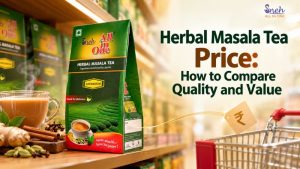
Author: SNEH All In One Editorial TeamReviewed by: SNEH All In One Herbal Tea Specialists Our SNEH All In One green-tea-based Herbal Masala Tea is
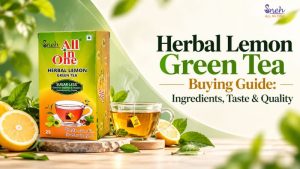
Written by: Anu Sharma – Herbal Tea Specialist with 21+ Years of ExperienceBrand: SNEH All In One – Naturally Crafted Teas Brand Disclosure: This guide