How to Choose the Right Herbal Kadha Tea
Author: SNEH All In One Team A good herbal kadha tea has clearly listed ingredients, suitable caffeine levels, simple brewing instructions and reliable packaging and


Yes, drinking Herbal Lemon Tea before a workout can be a good choice if you’re looking for a light and refreshing beverage. It helps you stay hydrated and can be a healthier alternative to sugary energy drinks or heavily caffeinated pre-workout products. For most people, enjoying a cup about 30–45 minutes before exercise works well.
However, don’t expect this herbal drink to increase your stamina, boost athletic performance, or burn fat on its own. While ingredients like lemon, ginger, tulsi, amla, and black pepper have been used in traditional wellness practices for generations, current research doesn’t show that they directly improve workout performance.
The biggest benefit is that it can be a healthier drink choice before a workout.
Instead of reaching for sugary energy drinks or heavily caffeinated beverages, you can enjoy a light herbal tea that helps you stay refreshed and hydrated. It won’t magically improve your workout, but it can fit well into a healthy routine that includes balanced meals, regular exercise, and enough water throughout the day.
Many people today are moving away from sugary energy drinks and heavy pre-workout supplements and choosing simpler, more natural options before exercise.
A big reason for this shift is everyday awareness—people now read labels more carefully and prefer drinks made with natural ingredients like herbs, lemon, and spices instead of artificial colors, excess sugar, or very high caffeine.
For light to moderate activities such as walking, yoga, stretching, cycling, or a gym workout, Herbal Lemon Tea is often chosen as a light, refreshing drink that feels gentle on the stomach and helps people feel more refreshed before starting their session.
It’s important to understand that no single drink improves fitness on its own. It works best as part of a healthy routine that already includes balanced meals, enough water, regular movement, and proper sleep.
Staying hydrated before a workout helps your body perform at its best. Even mild dehydration can make you feel tired sooner, reduce your stamina, and make exercise feel more difficult.
A cup of Herbal Lemon Tea can be a refreshing way to increase your fluid intake before exercising, especially if you don’t enjoy drinking plain water. While it shouldn’t replace water completely, it can be a good addition to your hydration routine.
According to the American College of Sports Medicine (ACSM), even mild dehydration can affect physical performance and make it harder for your body to regulate its temperature during exercise.
Expert Tip: If your workout lasts less than an hour, drinking enough fluids and having a balanced meal or light snack beforehand will have a greater impact on your performance than any pre-workout drink.
The biggest difference is that Herbal Lemon Tea isn’t the same as green tea with lemon. While many people use these names interchangeably, they’re made with different ingredients and offer different benefits.
Green tea naturally contains caffeine and plant compounds called catechins, which have been widely studied. In contrast, this type of tea is usually made with herbs and spices such as lemon, ginger, tulsi, amla, and black pepper. Depending on the blend, it’s often caffeine-free, making it a good option for people who prefer a lighter, more refreshing drink.
That’s why it’s always worth checking the ingredient list instead of assuming every lemon-flavoured tea is the same. Knowing what’s in your cup helps you choose the one that best suits your needs.
Herbal Lemon Tea is not about one “magic ingredient”—it’s a blend of simple herbs and natural ingredients that people have used for daily wellness for a long time.
Each ingredient adds its own purpose, and together they create a light, refreshing drink that fits easily into everyday routines.
Ingredient | Why It’s Traditionally Used | What Research Suggests |
Lemon | Refreshing taste and light digestion support | Naturally rich in vitamin C, which supports normal immunity and acts as an antioxidant |
Ginger | Helps with stomach comfort | Some studies suggest it may help with nausea and support digestion |
Tulsi (Holy Basil) | Traditionally used in Ayurveda for overall wellness | Contains plant compounds with antioxidant properties, though more human research is still ongoing |
Amla | Commonly used for general health and vitality | High in vitamin C and antioxidants that help protect cells from oxidative stress |
Black Pepper | Used as a warming spice in herbal blends | Contains piperine, which may help the body absorb certain nutrients better |
Instead of depending on a single ingredient, herbal blends like this combine different natural elements to create a balanced, everyday drink that people can enjoy as part of a healthy lifestyle.
One of the biggest benefits of drinking Herbal Lemon Tea before a workout is that it helps you increase your fluid intake. Starting your workout well-hydrated can help you feel more comfortable during exercise, especially in hot weather or if you tend to sweat a lot.
If you find plain water boring, this herbal drink can be a refreshing way to stay hydrated without reaching for sugary beverages.
Nobody enjoys exercising when they feel too full. Because this herbal tea is light, many people find it more comfortable to drink before a workout than heavy or creamy beverages.
For longer workouts, pair it with a light snack like a banana, oats, or a handful of nuts to give your body the energy it needs.
The combination of lemon and herbs gives the tea a fresh, pleasant taste that many people enjoy before exercising. While the flavour won’t improve your performance, it can make it easier to stay hydrated as part of your daily routine.
Ingredients like ginger and tulsi have been used in traditional wellness practices for generations. Research suggests that ginger may help support digestive comfort in some people, although the effects can vary from person to person.
This doesn’t mean the tea treats digestive problems, but many people prefer a light herbal drink before exercise because it feels gentle on the stomach.
Many energy drinks contain added sugar, artificial flavours, and high amounts of caffeine. If you’re doing a light or moderate workout, a cup of Herbal Lemon Tea can be a simple alternative that keeps you refreshed without those extra ingredients.
For long-distance running, cycling, or other endurance activities, remember that you may also need water, electrolytes, and proper nutrition—not just herbal tea.
It depends on the type of workout you’re doing and how your body responds to caffeine. If you’re preparing for an intense workout like heavy weightlifting or HIIT, coffee may give you a better energy boost because of its natural caffeine content.
On the other hand, if you’re going for a walk, doing yoga, stretching, or having a moderate gym session, Herbal Lemon Tea can be a refreshing choice. It’s lighter, helps you stay hydrated, and is a good option for people who prefer to avoid caffeine.
Herbal Lemon Tea | Coffee |
Light and refreshing | Naturally contains caffeine |
Helps with daily hydration | May improve alertness and exercise performance |
Usually gentle on the stomach | Can cause jitters or stomach discomfort in some people |
Suitable for those avoiding caffeine | Often preferred before high-intensity workouts |
The better choice isn’t the same for everyone. If you enjoy caffeine and it suits your body, coffee may be more helpful before demanding workouts. If you want a lighter drink without the stimulating effects of caffeine, herbal tea can fit well into your pre-workout routine.
Not all herbal lemon teas are made with the same ingredients, so it’s worth checking the label before you buy one. A good blend should contain herbs that work well together and fit your daily wellness routine.
Here are a few things to look for:
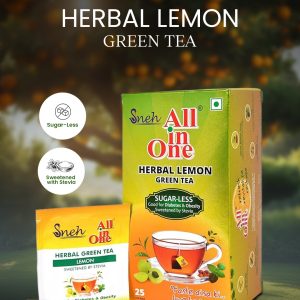
If you’re looking for a ready-made option, Sneh All in One Herbal Lemon Tea combines lemon with herbs such as tulsi, ginger, amla, and black pepper in one blend. Like any herbal beverage, it’s best enjoyed as part of a balanced lifestyle that includes healthy eating, regular exercise, and proper hydration—not as a quick fix or a replacement for medical advice.
For most people, the best time to drink Herbal Lemon Tea is about 30–45 minutes before a workout. This gives you enough time to hydrate without feeling too full when you start exercising.
The right timing also depends on the type of workout you’re doing:
The best pre-workout routine isn’t about finding the perfect drink. It’s about staying hydrated, eating well, and choosing habits you can follow consistently.
Herbal Lemon Tea can support your weight-loss journey, but it won’t make you lose weight on its own. There isn’t any strong scientific evidence that drinking this tea directly burns fat or speeds up weight loss.
What it can do is help you build healthier daily habits. For example, it can:
If your goal is to lose weight, focus on eating a balanced diet, staying physically active, getting enough sleep, and being consistent with your routine. Think of it as a healthier drink choice that supports these habits—not as a shortcut to weight loss.
For most healthy adults, Herbal Lemon Tea is generally safe to enjoy as part of a balanced diet. However, some people should be a little more careful before making it a regular part of their routine.
It’s a good idea to check with your doctor before drinking this tea regularly if you:
If you feel bloating, stomach discomfort, or any unusual symptoms after drinking the tea, stop using it and consult your healthcare provider. It’s always best to choose foods and drinks that suit your body’s needs.
Drinking Herbal Lemon Tea before a workout can be part of a healthy routine, but it’s important to have realistic expectations. Here are a few common mistakes people make:
Herbal tea isn’t made to give you the same energy boost as a caffeinated pre-workout supplement. Think of it as a refreshing drink, not an instant energy booster.
A cup of tea can’t replace a healthy meal or snack. If you’re planning a longer or more intense workout, your body still needs carbohydrates for energy and protein to support your muscles.
While this tea can help with your daily fluid intake, it shouldn’t replace plain water. Staying hydrated throughout the day is still the best way to prepare for exercise.
Just because something is natural doesn’t mean you should drink large amounts of it. Enjoy herbal tea in moderation as part of a balanced diet and healthy lifestyle.
Myth | Fact |
“Herbal Lemon Tea burns fat before a workout.” | No. There isn’t any drink that can burn body fat on its own. Healthy eating, regular exercise, and maintaining a calorie deficit are what lead to weight loss over time. |
“I can skip my pre-workout meal if I drink this tea.” | Not really. A cup of herbal tea can’t replace the nutrients your body gets from a balanced meal or snack before exercise. |
“Drinking more of this tea will improve my workout.” | Not necessarily. Having too much to drink right before exercising may leave you feeling bloated or uncomfortable. |
“Herbal Lemon Tea gives the same energy as a pre-workout supplement.” | No. Most herbal teas are meant to keep you refreshed and hydrated, not to provide the stimulant effect of caffeine-based pre-workout products. |
Not all herbal teas are made the same. The ingredients and their quality can make a big difference in both the taste and your overall experience.
When choosing an all in one herbal lemon tea, look for a blend that:
If you’re looking for a ready-to-use blend, Sneh All in One Herbal Lemon Tea combines these traditional herbs in one convenient cup. Instead of thinking of it as a quick fix, enjoy it as part of a healthy routine that includes balanced meals, regular exercise, and staying hydrated.
Yes, many people can drink Herbal Lemon Tea on an empty stomach. However, if you often experience acidity, heartburn, or stomach discomfort, having it with a light snack like a banana or a handful of nuts may feel more comfortable.
It depends on the ingredients. Most herbal lemon teas are naturally caffeine-free, but if the blend contains green tea or black tea, it may contain some caffeine. Always check the ingredient list before buying.
Yes, you can enjoy it after your workout as well. It can help with your daily fluid intake, but remember to also drink enough water and eat a balanced meal with protein and carbohydrates to support recovery.
Yes, for most people, this herbal tea is a good drink before a workout. It can help you stay hydrated and is a healthier alternative to many sugary or heavily caffeinated beverages.
Just remember that no tea can replace a balanced diet, regular exercise, or proper hydration. If you’re choosing an all in one herbal lemon tea, look for a blend made with quality ingredients. Sneh Herbal Lemon Tea is one option that combines traditional herbs into a convenient daily drink.
At the end of the day, your overall lifestyle—not any single beverage—has the biggest impact on your fitness and well-being.

Author: SNEH All In One Team A good herbal kadha tea has clearly listed ingredients, suitable caffeine levels, simple brewing instructions and reliable packaging and

Author: SNEH All In One Editorial TeamReviewed by: SNEH All In One Herbal Tea Specialists Our SNEH All In One green-tea-based Herbal Masala Tea is

Written by: Anu Sharma – Herbal Tea Specialist with 21+ Years of ExperienceBrand: SNEH All In One – Naturally Crafted Teas Brand Disclosure: This guide