What is Herbal Tea? Types, Benefits & How It Works
tea has become one of the most trusted plant-based wellness beverages worldwide. Unlike regular tea, it is usually caffeine-free and made from carefully selected herbs,

tea has become one of the most trusted plant-based wellness beverages worldwide. Unlike regular tea, it is usually caffeine-free and made from carefully selected herbs, flowers, roots, and spices known for their traditional medicinal value.
From improving gut health to supporting metabolism, the growing popularity of herbal tea benefits has made it a daily wellness ritual for many households. Whether you’re searching for herbal tea for weight loss, exploring herbal tea recipes, or planning to buy online, understanding how it works can help you make an informed choice.
Quality-focused brands like Sneh All In One offer thoughtfully blended herbal tea options designed for everyday wellness support.
Herbal Tea is an infusion made from herbs, flowers, roots, seeds, bark, or spices. Unlike traditional black or green tea, it is not derived from the Camellia sinensis plant. Instead, it is crafted from botanical ingredients known for their natural healing properties.
Because it does not rely on traditional tea leaves, most herbal teas are naturally caffeine-free, making them suitable for daily consumption.
Herbal teas, also known as tisanes, are naturally caffeine-free beverages prepared by infusing dried flowers, leaves, roots, fruits, seeds, or spices in hot water. Unlike traditional tea, they do not come from the Camellia sinensis plant. Instead, they rely on plant-based ingredients chosen for their flavor, aroma, and traditional wellness properties.
Many herbal tea ingredients are blended together to create targeted benefits. For example, ginger and fennel are often combined to support digestion, while chamomile and lemon balm are commonly used in relaxation blends.
Below is a structured overview of commonly used herbal tea ingredients:
Flowers are widely used in herbal tea for their gentle aroma and calming qualities.
Leaves are among the most common herbal tea ingredients due to their refreshing taste and digestive benefits.
Roots and bark provide warming and grounding qualities to herbal tea.
Fruits enhance flavor while adding vitamins and antioxidants.
Seeds and spices bring depth of flavor and functional wellness properties.
These herbs have been used for centuries in established healing systems such as:
Their long-standing use is rooted in traditional knowledge passed down through generations. Today, modern research continues to explore and validate the medicinal properties of herbs, especially their antioxidant, anti-inflammatory, and digestive-supporting compounds.
By combining traditional wisdom with contemporary scientific understanding, Herbal Tea remains a trusted and natural way to support daily wellness.
Herbal Tea comes in a wide variety of blends designed to suit different tastes and wellness goals. From traditional spiced infusions to immunity-supporting and metabolism-focused blends, each type offers unique flavors and functional benefits.
Below are some of the most popular options, starting with functional wellness blends:
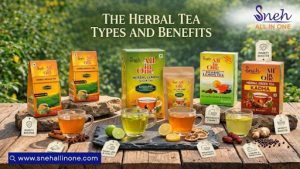
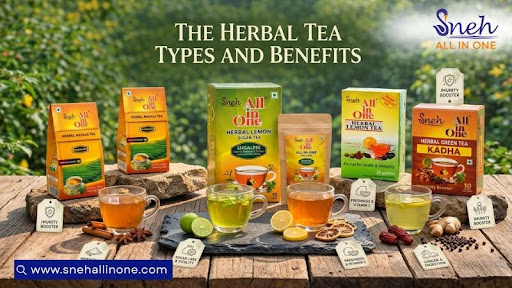
This blend combines traditional Indian spices with carefully selected herbal ingredients. Naturally sweetened with stevia instead of sugar, it delivers a rich and aromatic flavor without added calories. It is suitable for individuals who want to manage sugar intake while still enjoying a comforting, spiced beverage as part of their daily routine.
Herbal Masala Tea is inspired by classic masala chai but prepared using herbal ingredients and warming spices. Typically containing elements like ginger, cardamom, and cinnamon, this blend supports digestion and immunity. Its bold aroma and full-bodied taste make it a popular everyday wellness drink.
This refreshing combination blends green tea with herbal ingredients and lemon flavor. Sweetened naturally with stevia, it offers a light citrus taste without added sugar. With antioxidants from green tea and digestive-supporting herbs, it is often chosen for metabolism support and gentle natural energy.
Inspired by traditional kadha formulations, this blend combines green tea with immunity-supporting herbs and spices. It is commonly consumed during seasonal changes to support respiratory health and overall immune balance. The taste is mildly strong and warming, making it ideal for wellness-focused routines.
Herbal Lemon tea is commonly consumed as a refreshing morning drink. Rich in Vitamin C, it supports immune health and hydration. Its tangy citrus flavor makes it both revitalizing and easy to incorporate into daily routines.
Chamomile is widely known for its calming and soothing properties. Often consumed before bedtime, it supports relaxation and better sleep quality. With its light floral flavor and gentle sweetness, it remains one of the most popular caffeine-free herbal tea options.
Peppermint tea is valued for its refreshing taste and digestive benefits. It may help reduce bloating and soothe mild stomach discomfort. The cooling sensation makes it especially pleasant after meals.
Ginger herbal tea is recognized for its warming and immune-supporting qualities. Traditionally used in Ayurveda and other herbal systems, it helps stimulate digestion and supports overall wellness. Its slightly spicy flavor makes it ideal during colder months.
Hibiscus tea is known for its deep red color and tangy taste. Rich in antioxidants, it is commonly associated with heart health support. It can be enjoyed hot or iced throughout the year.
Each Herbal Tea type offers distinct flavors and wellness-focused benefits. Choosing the right blend depends on your taste preferences, daily routine, and health goals.
Herbal Tea is a caffeine-free infusion prepared from herbs, flowers, roots, and spices that may offer a variety of wellness-supporting properties. Rich in plant compounds such as antioxidants, flavonoids, and polyphenols, herbal blends are traditionally used to support digestion, immunity, relaxation, and overall vitality. While results can vary depending on the ingredients and individual health conditions, many herbal tea benefits are supported by both traditional knowledge and emerging scientific research.
Below are some of the key benefits associated with herbal tea:
Herbs like ginger, peppermint, and fennel are commonly used to promote digestive comfort. These ingredients may help stimulate digestive enzymes, reduce bloating, and ease mild stomach discomfort. Drinking herbal tea after meals is a popular practice for maintaining gut balance.
Many herbal tea ingredients contain antioxidant and anti-inflammatory compounds that help protect the body from oxidative stress. Ginger, tulsi, hibiscus, and similar herbs are traditionally consumed to strengthen immune response and support the body during seasonal changes.
Herbal tea for weight loss is often included in wellness routines because it supports hydration and metabolism. Certain blends, sometimes referred to as slimming herbal tea, may help complement a balanced diet and regular exercise. However, sustainable weight management depends primarily on healthy lifestyle habits.
Some herbal ingredients are believed to assist the body’s natural detoxification processes, particularly those involving the liver and kidneys. Lemongrass, dandelion, and rooibos are commonly used in detox blends to support fluid balance and internal cleansing.
Chamomile, lavender, and lemon balm are well known for their calming properties. These herbs may help reduce mild anxiety, promote relaxation, and support better sleep quality. Herbal tea is often consumed in the evening as part of a wind-down routine.
Antioxidant-rich teas such as hibiscus and rooibos may help protect skin cells from oxidative damage. Regular hydration combined with antioxidant intake can contribute to clearer, healthier-looking skin over time.
Hibiscus tea has been studied for its potential role in maintaining healthy blood pressure levels when consumed as part of a balanced diet. Other antioxidant-rich blends may also contribute to cardiovascular wellness by supporting healthy circulation and reducing inflammation.
Because most Herbal Tea varieties are naturally caffeine-free, they provide a soothing and low-calorie alternative to sugary beverages and caffeinated drinks. This makes them suitable for daily hydration without overstimulating the nervous system.
While herbal tea benefits are promising, they should be viewed as part of a holistic wellness routine. A nutritious diet, regular physical activity, adequate sleep, and proper medical guidance remain essential for long-term health. Individuals with medical conditions or those taking medications should consult a healthcare professional before adding new herbal blends to their routine.
When chosen thoughtfully, Herbal Tea can be a gentle, supportive addition to everyday self-care.
Herbal Tea works through naturally occurring plant compounds such as:
Unlike synthetic supplements, herbal infusions usually work gradually. Traditional healing systems emphasize consistent use rather than instant results.
Making herbal tea at home is simple, affordable, and allows you to control the ingredients. These popular herbal tea recipes use basic herbal tea ingredients that are easily available in most kitchens or local stores. You can adjust the quantity and taste according to your preference.
Ginger herbal tea is perfect for digestion and immunity support. It has a warm, slightly spicy flavor that feels comforting, especially during colder days or when you feel low on energy.
To prepare it, add a few fresh ginger slices to a cup of water and boil for about 5 to 7 minutes. Strain the tea into a cup and drink it warm. If you prefer a slightly sweet taste, you can add a little honey. This tea is best enjoyed after meals or in the morning.
Lemon herbal tea is refreshing and often used as a simple morning detox drink. It helps hydrate the body and gives a fresh start to your day.
To make it, squeeze fresh lemon juice into a cup of warm water and add a few mint leaves for extra freshness. Mix well and drink it in the morning on an empty stomach. It is light, soothing, and easy to prepare in just a few minutes.
This herbal tea for weight loss is commonly included in wellness routines. It supports hydration and metabolism when combined with a healthy lifestyle.
To prepare it, add cinnamon, ginger, and a few tulsi leaves to water. Let it simmer for about 10 minutes so the flavors blend well. Strain and drink it warm. This slimming herbal tea works best when consumed regularly along with balanced meals and exercise.
Butterfly pea herbal tea is known for its beautiful natural blue color. It is rich in antioxidants and makes a visually appealing wellness drink.
To prepare it, add dried butterfly pea flowers to hot water and let them steep for about 5 minutes. Strain the tea into a cup. You can add a few drops of lemon juice to see the color change from blue to purple. It has a mild, earthy taste and can be enjoyed hot or cold.
These recipe herbal tea options are simple, natural, and require minimal ingredients. Preparing herbal tea at home ensures freshness and allows you to enjoy the full flavor and potential benefits of each ingredient.
When planning to buy herbal tea, consider:
Avoid products with artificial flavors or excessive additives
Herbal tea is more than just a beverage — it is a plant-based wellness tradition rooted in centuries of herbal knowledge. From chamomile and peppermint to slimming and lemon blends, there are options for nearly every lifestyle need.
By understanding ingredients, benefits, and preparation methods, you can confidently incorporate herbal tea into your daily routine. If you’re ready to experience natural wellness support, choose quality products from trusted brands like Sneh All In One and select a blend that aligns with your health goals.
tea has become one of the most trusted plant-based wellness beverages worldwide. Unlike regular tea, it is usually caffeine-free and made from carefully selected herbs,
Nowadays, people are living busy and stressful lives, which can affect their health in many ways. Low immunity, weight gain, and lack of energy are
Modern life often leaves us feeling tired, sluggish, and overwhelmed. From long work hours to irregular eating habits, it’s easy for energy levels to drop